So, which ones made the cut? Here are the 10 best movie and TV franchises based on books — each brought something new, defined an era, and remains just as relevant years (and even decades) later.
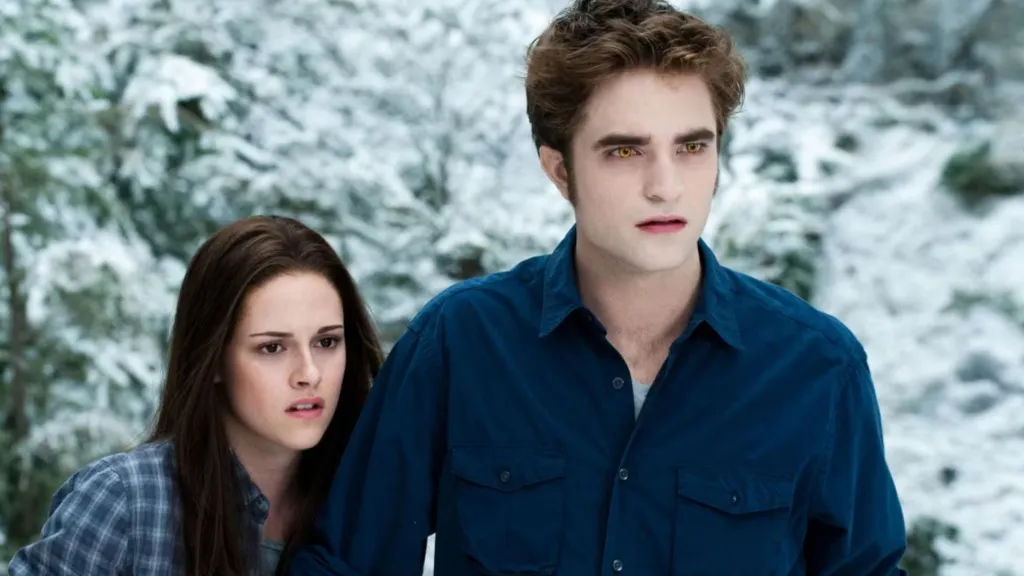
This was the kind of franchise that turned into a global fever — for a few years, everyone was talking about this story. Today, it stands as a cult classic, even if the movies are often questioned for their writing and tone. Still, the adaptation nailed what its audience wanted: romance, drama, and a touch of fantasy that was easy to get lost in. Across five films, Twilight reignited the vampire craze and dominated pop culture for years. It may have thrived more on sheer appeal than substance, but its influence is undeniable, and its legacy is still sparkling.
9) The Chronicles of Narnia
image courtesy of 20th century fox
The truth is that The Chronicles of Narnia movies never quite reached the same legendary status as Harry Potter or The Lord of the Rings, which is unfair, considering how ambitious they were in bringing C.S. Lewis’ classic fantasy to modern audiences. The story follows four siblings who step through a wardrobe and discover the magical world of Narnia, filled with mythical creatures, big battles, and deep moral lessons. It’s an expansive saga, but only three films were ever released, mainly due to the complexity of the source material and messy studio transitions.
Still, this trilogy remains beloved among fans, with The Lion, the Witch and the Wardrobe standing out as one of the best examples of how to turn a children’s book into something cinematically grand. Now, the story is getting a fresh start under director Greta Gerwig for Netflix, and expectations couldn’t be higher. Even so, the franchise lands in this position because it lost momentum too quickly — a case of a world too rich to fade, but never given the full chance to shine.
8) Dune
image courtesy of warner bros.
After decades of failed attempts to get it right, Dune finally got the adaptation it deserved under Denis Villeneuve. Frank Herbert’s saga (especially the first book) is a beast of complexity, but Villeneuve managed to condense its story of politics, faith, and power into a visually stunning epic. The plot follows Paul Atreides (Timothée Chalamet), heir to a noble house caught in a brutal war for control of Arrakis, the planet that holds the universe’s most valuable resource. This is the kind of adaptation that truly understands its source material and translates it to the big screen without fear.
Very few people realize that Jurassic Park actually started as a novel, and that’s because this is the textbook case of an adaptation that completely outgrew its source material. Michael Crichton’s book was written as a sharp, scientific thriller, but it was Steven Spielberg who turned it into pure cinematic magic. The story of a dinosaur theme park gone wrong is simple enough, but the execution? Absolutely legendary. The first film redefined what a blockbuster could be and changed the game forever, even if its two immediate sequels couldn’t quite capture the same lightning in a bottle.
When it comes to writing, direction, cinematography, score, and influence, everyone knows The Godfather is on another level. But just like Jurassic Park, most people have no idea it actually came from a novel by Mario Puzo. The difference is that this adaptation makes the book feel like a rough draft. The original story of power and loyalty was strong, but Francis Ford Coppola turned it into something almost mythological. The saga of the Corleone family and Michael’s (Al Pacino) chilling transformation from hero to cold, calculating monster is pure cinema at its finest.
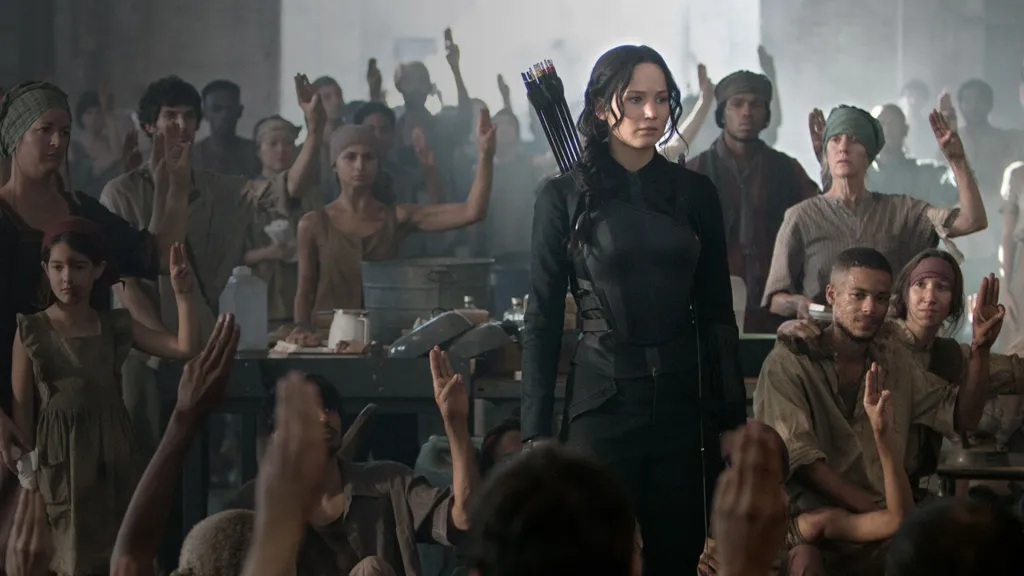
The most interesting thing about The Hunger Games is how timeless its core theme really is. Plus, the franchise based on Suzanne Collins’ books couldn’t have hit the cultural moment more perfectly when it first launched. The story follows Katniss Everdeen (Jennifer Lawrence), a teenager who becomes a symbol of rebellion after being forced to take part in a televised death match. It revived the idea of a blockbuster with real social commentary — something rarely seen in franchises aimed at younger audiences.
When Game of Thrones premiered, no one expected a dense fantasy series full of impossible-to-pronounce names and sprawling family trees to become the biggest TV event of all time — but it did, and few shows will ever come close. Based on George R.R. Martin’s A Song of Ice and Fire, the story follows powerful families fighting for the Iron Throne through betrayals, wars, and, of course, dragons. The show didn’t just adapt the books because it eventually surpassed them, setting new standards for morally complex characters, shocking twists, and unforgettable deaths that defined an era of television.
This is another franchise that most people forget started as a book series — and honestly, it totally deserves a top 3 spot. Few properties have the kind of longevity James Bond has. Created by Ian Fleming in the 1950s, the British secret agent first appeared in the novel Casino Royale and has since become such a cultural icon that you don’t even need to have seen a single movie to know who he is. The premise is simple: a slick MI6 spy who saves the world from over-the-top villains using gadgets, wit, and pure charisma. But what’s kept his story alive and relevant for over six decades (with countless interpretations and a new one on the way under Villeneuve) is the franchise’s uncanny ability to evolve without losing its identity.
From Roger Moore’s campy extravagance to Daniel Craig’s raw realism, James Bond has always reflected the era it’s in — politically, stylistically, and culturally. That balance between reinvention and tradition is exactly why it’s the longest-running literary adaptation in film history. Even after 25 movies, Bond still feels cool, current, and completely unstoppable.
2) Harry Potter
image courtesy of warner bros.
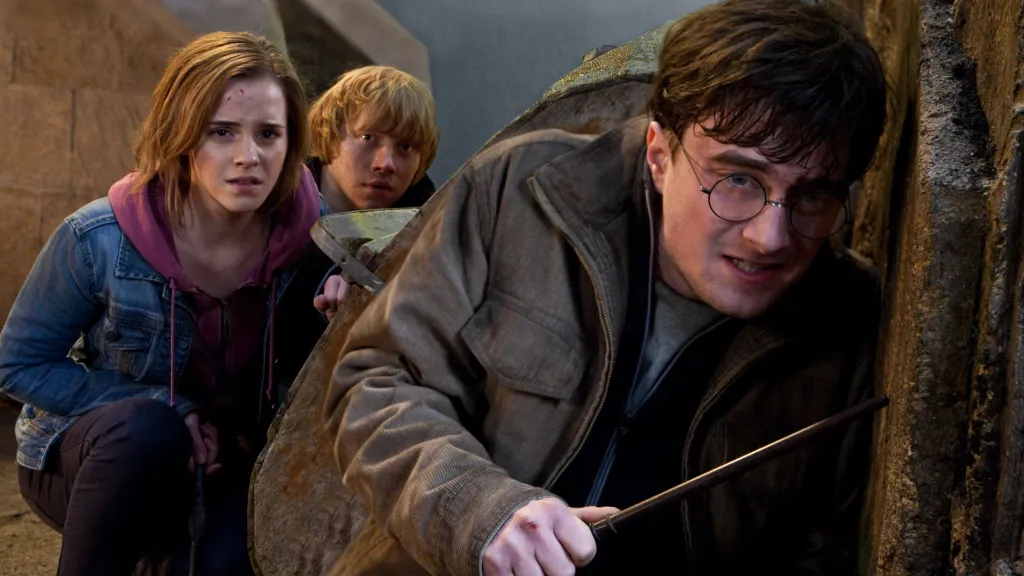
You just can’t talk about book-to-screen franchises without mentioning Harry Potter (leaving it out would basically be a crime). This is the franchise that proved literature and cinema could grow together seamlessly. Created by J.K. Rowling, the story follows Harry (Daniel Radcliffe), an orphan who discovers he’s a wizard destined to face the darkest villain in the magical world. Across eight films, the saga evolved emotionally and visually, maturing right alongside its audience — and that is what set it apart from other adaptations. It built a generation of fans who didn’t just watch the movies but lived inside that world.
Sure, the films aren’t flawless, since there are tonal inconsistencies, pacing issues, and some uneven direction, but they captured the heart and spirit of the books, and that’s what really counts. Harry Potter earns its high ranking because it struck a perfect emotional chord from the start and made it almost effortless for viewers to lose themselves in its universe. It’s a franchise with soul: imaginative, immersive, and endlessly rewatchable. And its legacy keeps growing — from a spin-off and theme parks to stage plays, games, audiobooks, and now an upcoming reboot series that’s already one of the most anticipated TV projects ever.
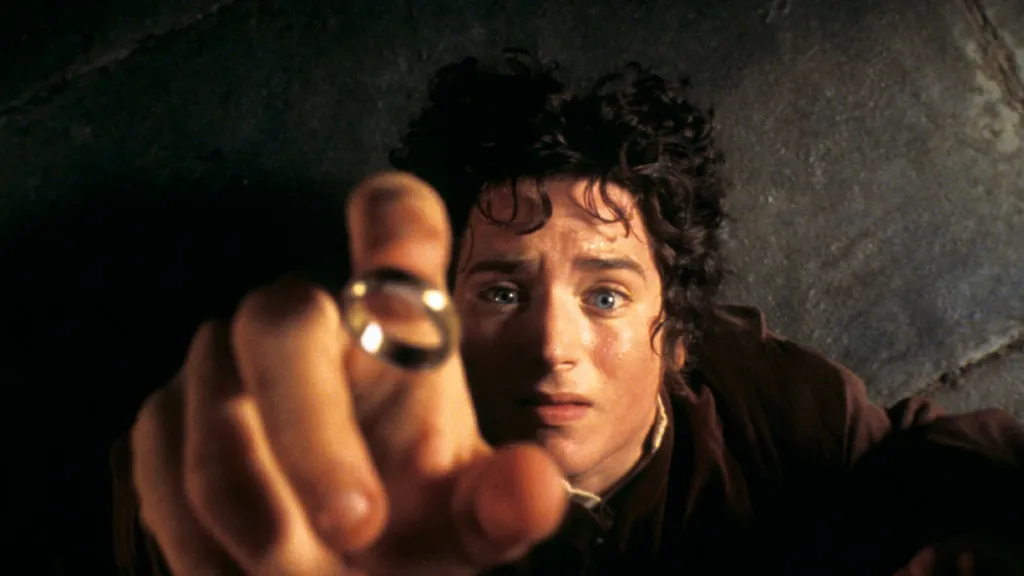
The trilogy’s impact was monumental, winning 17 Oscars and proving that epic storytelling could be both intimate and massive in scale. And decades later, the legacy is still alive with The Rings of Power series, The Hobbit trilogy, games, an animated film, and new movies confirmed, including The Hunt for Gollum, already in development. It’s the rare case of a franchise that found perfect balance between faithfulness, ambition, and cultural impact. Even in a world packed with cinematic universes, nothing quite matches the immersion, purpose, and sheer grandeur of The Lord of the Rings. And honestly? Nothing probably ever will.
What do you think about these franchises? Got a favorite? Let us know in the comments!