Videos by ComicBook.com
Still, despite the struggles, to varying degrees, of The Hobbit movies, The Lord of the Rings: The Rings of Power, and the animated The War of the Rohirrim, this remains a major IP, which means there’ll be more movies (and perhaps more TV shows too). Next up, alongside The Rings of Power Season 3, will be 2027’s The Hunt for Gollum. Directed by and starring Andy Serkis, the movie will take place within the timeline of The Fellowship of the Ring, charting a story where Gandalf and Aragorn race to find Gollum before Sauron’s forces get to him. It’s not just bringing back some familiar characters, but continuing a familiar trend.
The Lord Of The Rings Hasn’t Moved Past The Original Trilogy
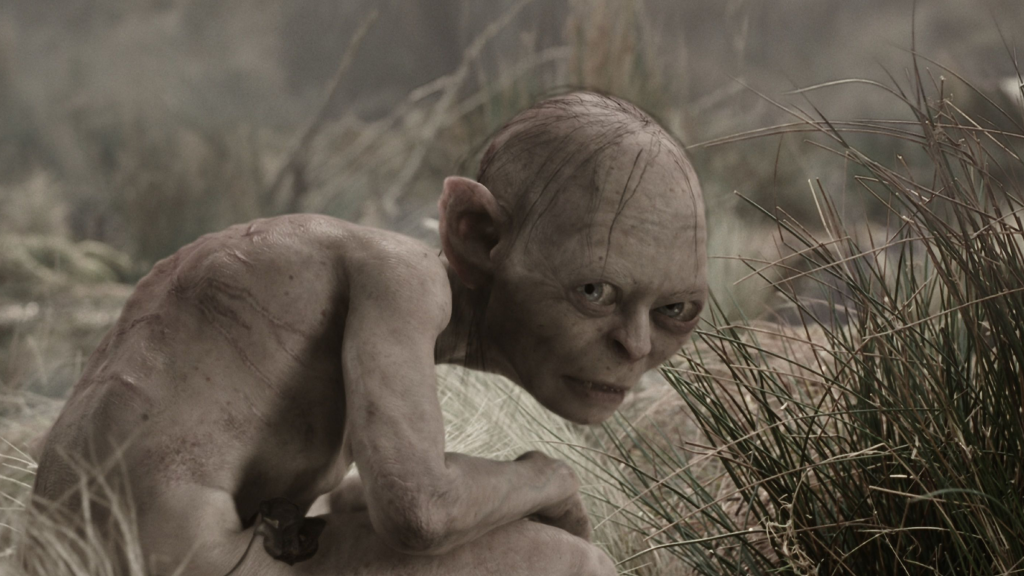
The Hunt for Gollum is very literally going back to the original The Lord of the Rings trilogy, since it takes place within the same timeframe, but it’s also reflective of a wider pattern: that the franchise hasn’t been able to move beyond those movies and characters. The Hobbit, of course, didn’t have much choice in the matter, since it’s a prequel with some close ties, but even then, the movies chose to expand things (to their detriment) and shoehorn in bigger roles for several returning OG movie characters.
The Rings of Power has also fallen into similar territory, despite being set in the Second Age: it may be thousands of years earlier, but it very purposefully chose to focus on the most familiar characters like Galadriel, Sauron, and even found a way of getting Gandalf into the series. This is something we’ve seen across other major franchises too, from Star Wars and the MCU to Harry Potter: the prequels and spinoffs are so often reliant on nostalgia, “here’s the thing you know,” and connecting to the original, more beloved property, than simply telling a great, unique story.