Videos by ComicBook.com
Out of so many great choices, these are the 10 most influential movies for millennials. No ranking needed; what matters here is how each film managed to connect with millennials and help express everything that, sometimes, they didn’t even know how to put into words.
10) The Devil Wears Prada
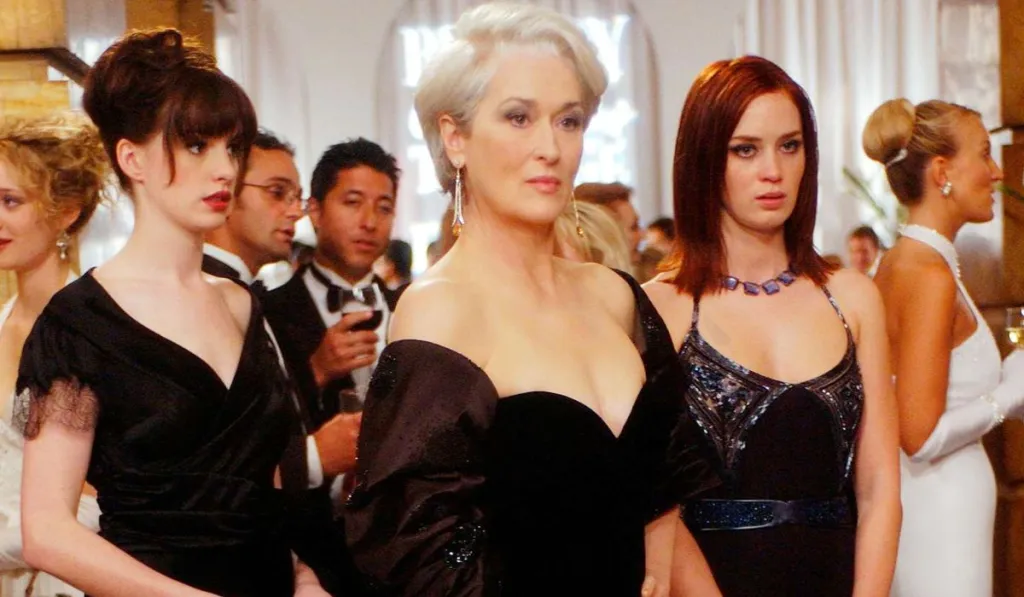
Few movies have captured the “dream job” dilemma as clearly as The Devil Wears Prada – it’s almost an unintentional handbook for what to expect from the job market. The story follows Andy (Anne Hathaway), a recent college grad who dreams of serious journalism but ends up as the personal assistant to the intimidating Miranda Priestly (Meryl Streep), editor of a major fashion magazine. What seems glamorous at first soon reveals itself as a world of insane hours, endless demands, and a constant feeling that nothing is ever enough. It’s toxic, and sadly, toxicity is something millennials have faced firsthand.
Back then, anyone starting their career or trying to “make it” saw themselves in Andy. Millennials grew up believing hard work would bring success, but nobody warned them about the emotional toll. Even years later, the film remains relevant, as conversations about burnout, boundaries, and toxic bosses keep growing. Ultimately, The Devil Wears Prada is about much more than fashion, and its impact is so strong that it’s no surprise people are eagerly awaiting the sequel.
9) Fight Club

“The first rule of Fight Club is: you do not talk about Fight Club.” This film is one of the most iconic (and controversial) ever made, even though its impact came years after its release – but that’s exactly why it’s important for millennials. The story follows an unnamed protagonist (Edward Norton) stuck in a dull corporate routine who finds purpose by starting a secret fight club with Tyler Durden (Brad Pitt), a character who embodies everything he isn’t: confident, aggressive, and anti-establishment. The movie dives deep into masculinity, consumerism, identity, and psychological breakdown. Fight Club became relevant to millennials because its real impact was only revealed when they were older.
The movie gave voice to frustrations other films avoided in the mid-1990s, connecting directly with this generation. It’s a sharp critique and that’s why it resonates so much – no wonder it’s a millennial favorite. While some misread Tyler as a revolutionary hero, the film actually raises questions about what it means to be human, to be useful, and to find purpose in a society that commodifies everything – even rebellion. For many millennials, it wasn’t just a movie, but a powerful trigger for existential reflection.
8) The Social Network

The Social Network might seem like one of the least flashy movies in terms of impact, but it was actually crucial in capturing a turning point for millennials: the moment when social media stopped being just fun and became a dominant cultural force. The film dramatizes Facebook’s creation by Mark Zuckerberg and the legal and personal battles that followed. It’s not a neutral take, but a sharp critique of unchecked ambition and how human relationships became social capital. No wonder it resonates deeply with this generation.
Millennials saw themselves reflected in that world: connected, competitive, and desperate for relevance. This generation was shaped by online validation, follower counts, and the early cracks in digital privacy. While the internet is now a workplace for many (especially Gen Z and Alpha) it was millennials who witnessed the social media explosion firsthand. For them, The Social Network wasn’t just another film; it felt like an open surgery on the internet’s impact (at the time).
7) The Blair Witch Project
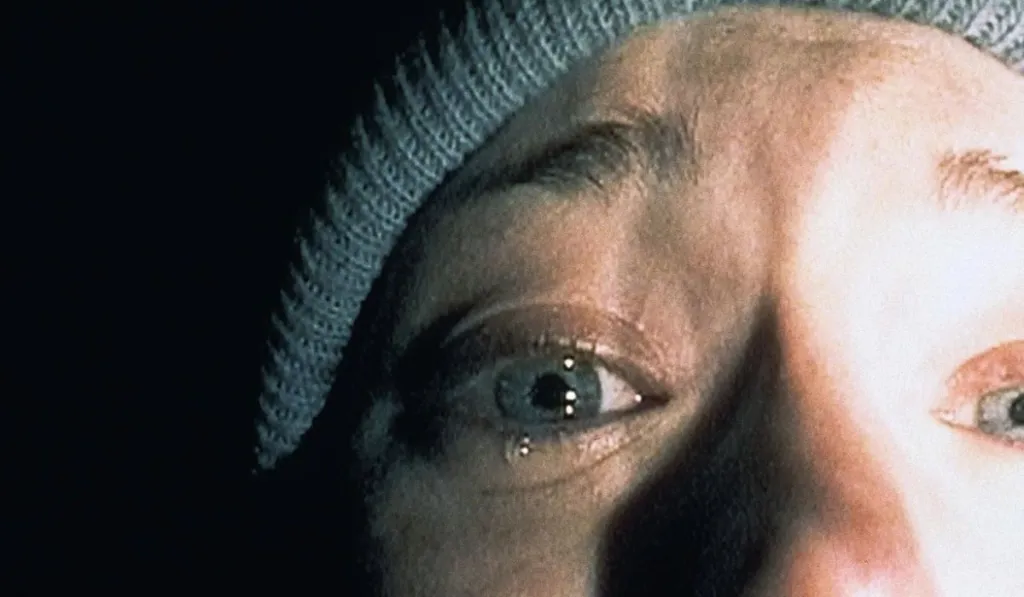
What millennial hasn’t heard of The Blair Witch Project and been genuinely scared by it? Before social media and viral videos, this movie proved that a smart idea and clever marketing could shake up the film industry. It follows three students who disappear in a forest while investigating a local legend, all shown through found footage. The homemade aesthetic, low budget, and mysterious promotion were key in building the myth around the film – and it hit millennials hard because, until then, no horror movie had scared them quite like this.
For those growing up in the late ’90s, The Blair Witch Project was a gateway to psychological and experimental horror. It wasn’t just about fear; it stirred discomfort and paranoia. For many millennials, it was their first encounter with a raw, unfiltered kind of horror, one that felt like more than just a movie. It left a lasting impression on a generation used to more traditional scares.
6) Mean Girls

Adolescence, bullying, and social hierarchy are issues that defined much of the millennial experience, and Mean Girls quickly became a go-to reference on these themes. The story follows Cady Heron (Lindsay Lohan), a girl who moves from homeschooling to high school and soon gets caught up in the power struggles of the “Plastics,” the popular clique. While it might feel exaggerated to new viewers today, the movie nails the social dynamics that felt all too real to anyone who lived through their teenage years in the early 2000s.
What sets Mean Girls apart is that it hasn’t aged like other teen comedies from that era. Its sharp script and memorable lines (who hasn’t heard “On Wednesdays we wear pink”?) not only shaped pop culture but also offered a surprisingly accessible critique of performative social behavior. For millennials, it’s more than a movie – it’s a cultural touchstone that resurfaces year after year and even inspired a Broadway adaptation and a new movie version. Few films achieve that kind of lasting relevance and still maintain it.
5) The Dark Knight
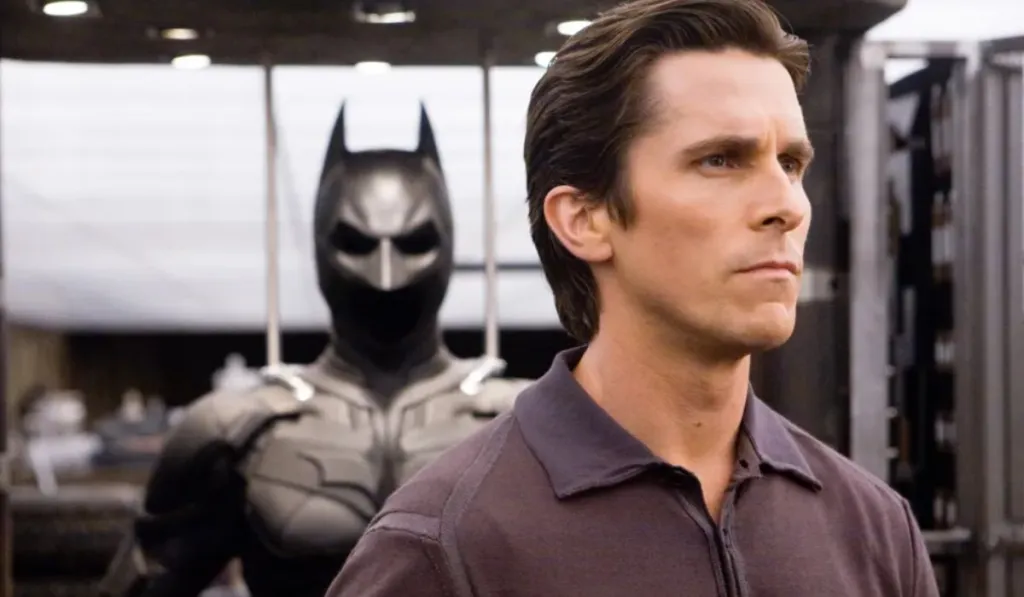
When superheroes first hit theaters, millennials didn’t even exist yet. But it was this generation that benefited the most when Hollywood finally committed to the genre, and The Dark Knight was a perfect example. The film redefined everything for a generation no longer satisfied with simple black-and-white stories. The plot centers on Bruce Wayne (Christian Bale) facing the chaos embodied by the Joker (Heath Ledger), who challenges not just Gotham, but the hero’s own moral boundaries. Besides, Ledger’s unforgettable performance became a milestone that almost every millennial loves to talk about.
The film’s impact was huge and a true turning point in how superhero movies were taken seriously by both audiences and critics. It proved the genre could be complex, dark, and still a massive box office hit. It’s no exaggeration to say many young adults started seeing blockbusters in a new light after The Dark Knight, which raised the bar for everything that followed. The movie pushed DC Studios and even Marvel Studios to up their game and earn their place in Hollywood’s big leagues.