Videos by ComicBook.com
One of the best references to its place in Westeros came at the very end of A Knight of the Seven Kingdoms Season 1, when Egg corrected Dunk that there are nine kingdoms, not seven, with a title card then popping up with “A Knight of the Nine Kingdoms.” To be clear, the TV show is not changing its title, but Egg’s pedantry did create confusion among the audience, especially those who haven’t read Martin’s books. The show doesn’t really explain it, but the wider lore does, and it’s something the planned Aegon’s Conquest prequel can properly explain.
Aegon’s Conquest Will Have To Explain The Seven Kingdoms Of Westeros
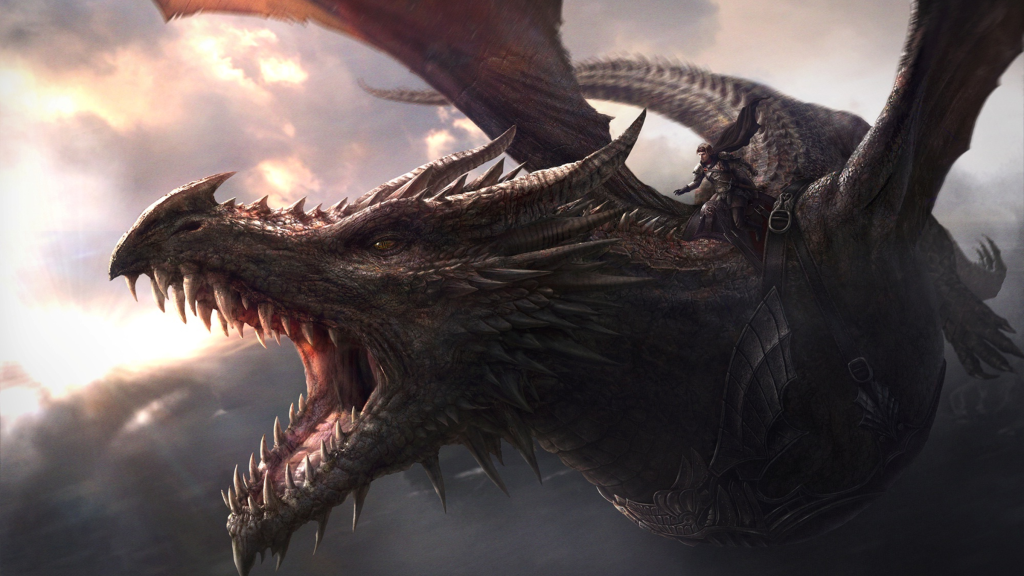
The “Seven Kingdoms” pre-dates Aegon’s Conquest, which happened around 209 years before the events of A Knight of the Seven Kingdoms Season 1. When Aegon the Conqueror and his sister-wives, Rhaenys and Visenya, flew their three large dragons from Dragonstone to conquer mainland Westeros, it was a land that, at that point, was divided into seven distinct kingdoms. There was a long history of this landscape changing – at one point, there were 100 – but that was the situation Aegon entered into, with the table below laying out the kingdoms and who ruled them.
| Kingdom | Monarch |
|---|---|
| The North | Torrhen Stark |
| Mountain & Vale | Ronnel Arryn |
| The Isles & The Rivers | Harren Hoare |
| The Reach | Mern IX Gardener |
| The Rock | Loren I Lannister |
| The Storm | Argilac Durrandon |
| Dorne | Meria Martell |
Unfortunately, it’s not quite as straightforward as Aegon conquering all seven of those. Dorne was actually able to resist, but when Aegon was made king, he was also named “Lord of the Seven Kingdoms.” Keeping this nomenclature served some symbolic importance, as the Targaryens needed the support of the Faith of the Seven and, well, seven is the most important number there is to them (and quite generally significant in Westeros).