This choice, while setting up a cohesive universe for this New Republic era, has inadvertently woven a restrictive net, stifling creativity and limiting the vast potential of the Star Wars universe. Rather than embracing the infinite possibilities of a galaxy far, far away, Disney must now tether its new series to a single, though successful, anchor. This choice inadvertently created a bottleneck for innovation and creativity.
Tying All Narrative Threads to the New Republic Era Has Restricted Creative Freedom and Exploration
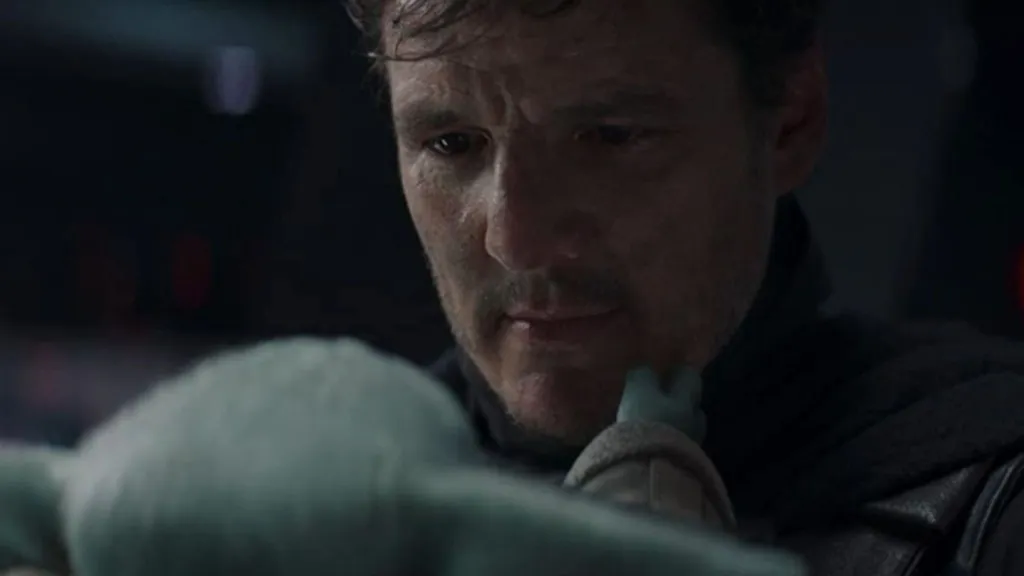
The immediate aftermath of Star Wars: Return of the Jedi is undoubtedly a relatively blank canvas for storytelling. The fall of the Empire, the fledgling New Republic, and the lingering scars of war offer many different avenues to explore the rebuilding of a galaxy. In fact, Star Wars comics are doing just that with the launch of Alex Segura’s flagship Star Wars comic series, also set directly after Return of the Jedi. The Mandalorian brilliantly capitalized on the chance to tell stories in an era that demanded it, providing a fresh perspective on the post-Imperial landscape through the eyes of a bounty hunter operating in the Outer Rim.
Its success, however, led Disney to aim its focus narrowly, implying that this specific era was the only era worth exploring, or at least the only one capable of sustaining multiple interconnected series. Star Wars: Ahsoka, Star Wars: The Book of Boba Fett, and Star Wars: Skeleton Crew, are all firmly rooted in the post-Endor timeline, often having character crossovers and plotlines that heavily rely on events and characters introduced in The Mandalorian. While this creates a sense of continuity for fans deeply invested in these specific stories, it severely restricts the creative sandbox available to showrunners and writers.
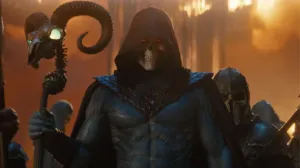
Though Disney has explored different eras that are too far removed from The Mandalorian to require a connective thread, such as Star Wars: The Acolyte or Star Wars: Andor, anything that occurs after Return of the Jedi must be canonically linked to the “Mandoverse,” as it is colloquially known. This approach risks creating a sense of fatigue, as every new show feels like a supplemental chapter to a larger, already established story rather than an exciting, self-contained adventure.
This Approach Limits Audience Ratings and the Franchise’s Long-Term Viability
The beauty of Star Wars lies in its vastness. It’s a universe, not just a single story. Yet, Disney+’s current strategy has compressed this expansive universe into a remarkably narrow window. This not only limits the types of stories that can be told, but also alienates fans who yearn for something new and different or those who have not watched every single Star Wars show on Disney+, thus missing out on important plot points. Long-time fans, many of whom grew up with the expansive lore of the Legends continuity, often express a desire to see tales from different periods, free from the constraints of the Skywalker Saga or its immediate aftermath. The constant retreading of familiar ground, even with beloved characters, can eventually lead to boredom among fans.
This singular focus on one post-Return of the Jedi timeline also has major implications for the long-term viability of Star Wars on Disney+. If every new show feels obligated to connect to The Mandalorian, what happens when that specific thread has run its course, or when audience interest in that particular era wanes? Without the flexibility to play with canon during this era, the franchise risks becoming creatively stagnant and predictable. The decision to prioritize interconnectedness has backed Disney into a wall, putting an unnecessary constraint upon them and hindering the potential for Star Wars on Disney+ to truly become flexible and innovative.
To truly thrive in the New Republic era, Star Wars needs to break free from the gravitational pull of a single series and embrace the boundless potential of its own history.