Whether its a classic still remembered for making history or a modern, relevant series that hooks viewers, here are 7 of the best TV anthology shows, ranked.
7) The White Lotus
image courtesy of hbo
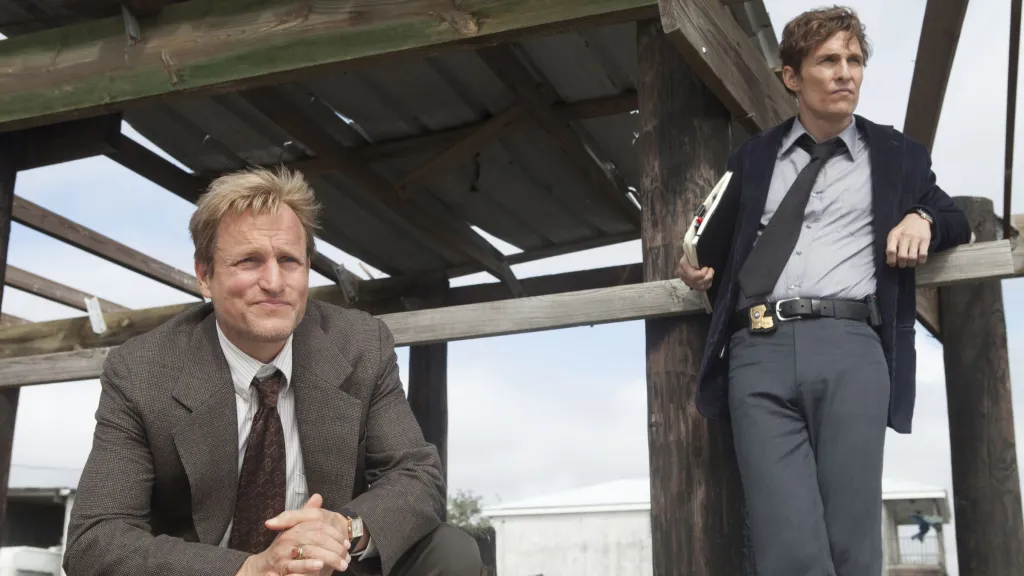
When it first dropped, The White Lotus got a lot of buzz. But a lot of people still don’t realize it’s technically an anthology – and that already says a lot. Each season features a new resort and a fresh group of wealthy, problematic guests, but the show isn’t as true to the anthology format as it seems. It’s more like a hybrid between anthology and serialized storytelling, and the fact that some characters reappear, gives a sense of continuity, which takes away from the idea of fully independent stories.
That doesn’t mean the show doesn’t work – far from it. The White Lotus stands out for skewering the excesses and contradictions of the elite, with sharp satire and consistently surprising endings. Still, as an anthology, it lands somewhere in the middle: it feels more like a series of connected miniseries than a reinvention with each season. On top of that, over time, it sometimes lost its way and its own pacing, which matters a lot. It’s excellent and definitely worth the hype (no wonder it got Emmy nominations), but that’s why it lands at the bottom of this ranking.
6) American Horror Story
image courtesy of fx
When it comes to anthologies, American Horror Story is one of the first shows that comes to mind (especially for horror fans). Ryan Murphy basically popularized the concept, focusing on a completely new story each season rather than each episode. But over time, execution became a bit hit-or-miss, and the show grew somewhat inconsistent. Switching up settings and storylines from haunted mansions to asylums, hotels, or circuses, opened the door for a ton of creativity, but also a lot of excess. Some seasons still stand out, but others are mostly remembered for being a bit bloated.
Besides, the show never kept each batch of episodes fully isolated: actors reappear in different roles, and certain storylines or elements carry over between seasons. Is that a bad thing? Not really. But from a pure anthology perspective, it dilutes the core idea of total autonomy. Still, at the end of the day, AHS is fun, keeps fans talking, and that’s what matters (plus, there’s hope it can return strong).
The concept here is fantastic: Guillermo del Toro brought in different directors to create standalone horror episodes, each with its own style and inspiration. The result of Guillermo del Toro’s Cabinet of Curiosities is an anthology that feels like a festival short film collection, but with Netflix production values and a generous budget. Visually, it’s a feast, but not every episode lands something truly memorable, and that’s where it falls short.
The show has a total of eight stories, ranging from grotesque creatures to more psychological horror. Some were highly praised, while others faded into the background. Cabinet of Curiositiesmay not have gotten the recognition it deserves, but its strength lies in embracing the core spirit of anthologies: fully independent episodes and room for creative diversity. Unfortunately, inconsistency is part of the package, and here it’s very noticeable (which makes it hard to rank any higher).
3) Love, Death & Robots
image courtesy of netflix
This is an anthology with no brakes. Each episode of Love, Death & Robots is a short animation with a completely different style: some are realistic and dark, others cartoonish and absurd. But it’s the creative freedom that makes the series work, since you never know if you’re getting philosophical sci-fi, explicit gore, or even absurd comedy. Overall, there are dozens of standalone stories exploring technology, humanity, and violence in dystopian futures or other kinds of universes. It’s the perfect example of how flexible the anthology format can be.
The top 2 can be pretty divisive, but there’s a good reason for that. You can’t talk about anthologies without mentioning The Twilight Zone. Created in the ’60s, the show basically invented what an anthology could be, with short, standalone episodes full of sci-fi, horror, and social commentary. Each story presents a bizarre or dystopian situation, usually ending with a twist that delivers a lesson. It was such a successful formula that it became the blueprint for pretty much everything that came after. So why isn’t it considered the best despite its legacy and efficiency? Because of consistency, evolution, and relevance in today’s world.
If you think about anthology TV series today, Black Mirror probably comes to mind – and with good reason. Each episode is basically a tech parable, exploring everything from social media addiction to self-aware AI. Also, the show’s strength lies in having a clear identity, even while completely changing tone and cast every story. Anthology shows weren’t this popular before it arrived, and it’s fair to say it’s the reason the format made a big comeback.