Videos by ComicBook.com
Some people like to begin with the original series because it was the first Star Trek to be broadcast. However, it can be more satisfying to watch Star Trek in chronological order. However, not all series are equally worth watching, and it is possible to understand the franchise without watching every episode of every Star Trek show.
11) Star Trek: Enterprise

Chronologically, Star Trek: Enterprise is the first entry in the franchise, even though it was made long after Star Trek: The Original Series. It takes place in the 22nd century, about 100 years before the adventures depicted in The Original Series.
Enterprise follows the first of the iconic Enterprise ships to enter outer space. While this is an interesting concept, it is also a lot less low-tech than other Star Trek series because it takes place in the near future. It is an interesting prequel, as it introduces the alien species found throughout the franchise and shows how space travel developed in the Star Trek universe.
10) Star Trek: Discovery
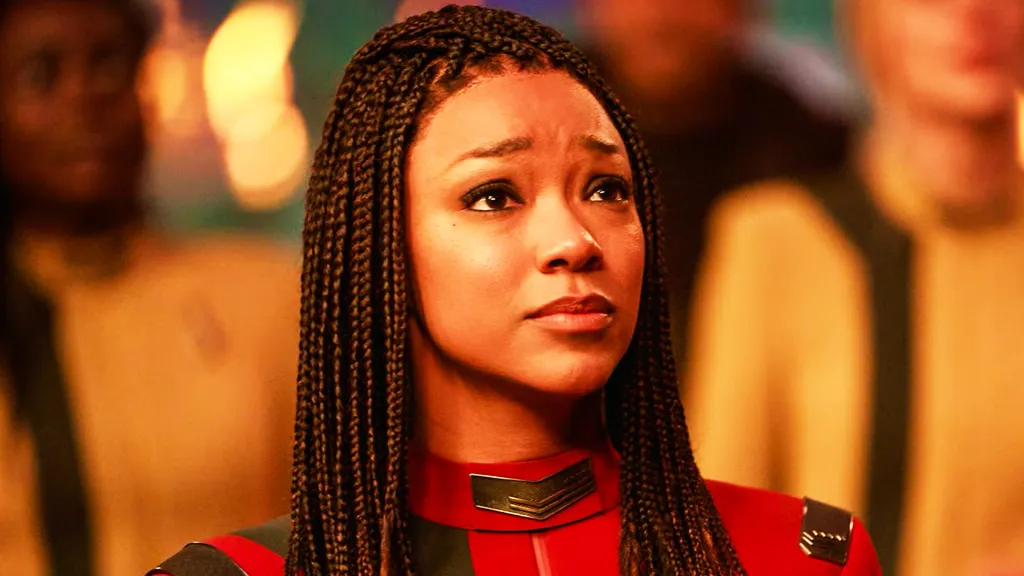
Star Trek: Discovery is the one show that makes it impossible to fully watch in chronological order, due to a time jump between seasons 2 and 3. The initial premise is that Sonequa Martin Green’s Michael Burnham is reassigned to the Discovery after she accidentally starts a war with the Klingon Empire.
These initial adventures take place about a decade before Star Trek: The Original Series, making them ideal for new viewers who want some background before they dive into The Original Series. Burnham is one of the most dynamic and interesting commanders in the Star Trek universe, making this show entertaining.
Anyone who wants to truly watch in chronological order, however, will have to stop watching after season 2 until after they’ve watched most other series, because the Discovery jumps 900 years into the future, thus setting later seasons well after The Original Series and The Next Generation. There are both creative and plot reasons for this, and the later seasons are well worth watching, even though anyone who is determined to watch in chronological order may find the time jump annoying.
9) Star Trek: Strange New Worlds
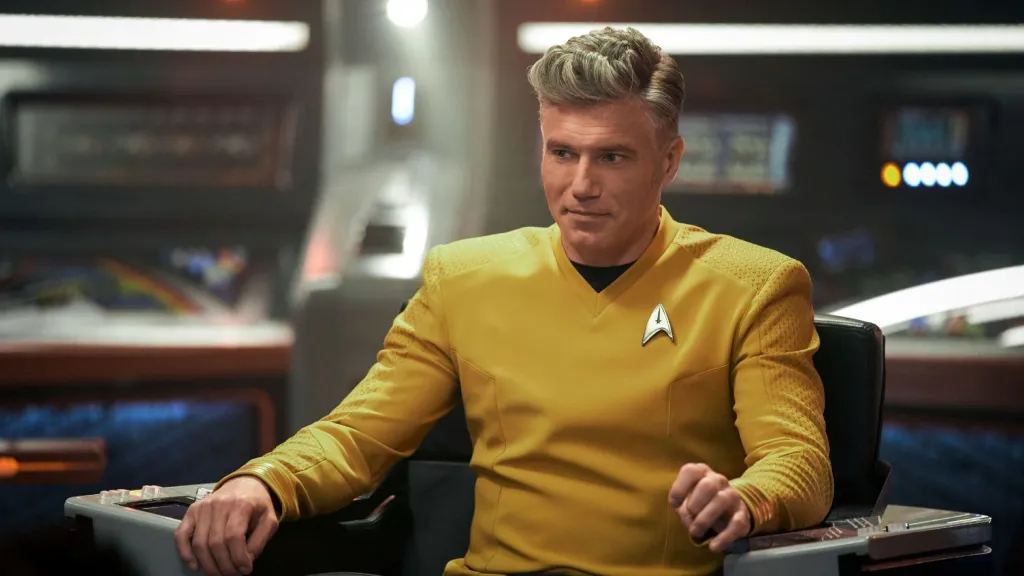
Star Trek: Strange New Worlds is the perfect bridge between Discovery and The Original Series. Technically, it is a spinoff of Discovery, as it revolves around Captain Christopher Pike, who appears briefly in the second season of Discovery.
Christopher Pike also appears in the pilot to The Original Series, though he does not appear in the rest of the series. Strange New Worlds gives some backstory on the Enterprise and uses the same model ship as in The Original Series, as well as developing Pike’s character.
Some The Original Series characters appear occasionally on Strange New Worlds, which is a fun introduction or re-introduction to them. However, viewers eager to find out why The Original Series is still popular almost 60 years after its premiere might want to skip this one, as it is not strictly necessary for understanding the plot.
8) Star Trek: The Original Series
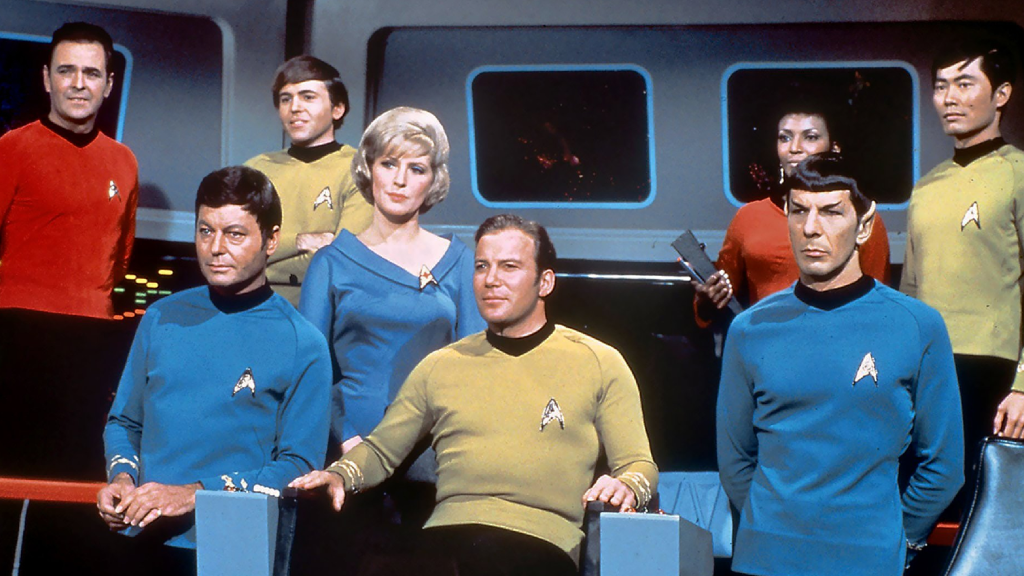
The Original Series is the one that started it all when it premiered in 1966, running for three seasons and spawning half a dozen movies after its cancelation. Without this series, there wouldn’t be a franchise, and it holds a special place in many fans’ hearts.
Viewers who only have time to watch one series should choose this one. Since it premiered in the 1960s, the special effects won’t be as flashy as those found in later series, but The Original Series sets the foundation for everything that follows with its mission to “boldly go where no man has gone before” and the stories it tells about the crew encountering life on other planets or interacting with various alien species in space.
7) Star Trek: The Animated Series
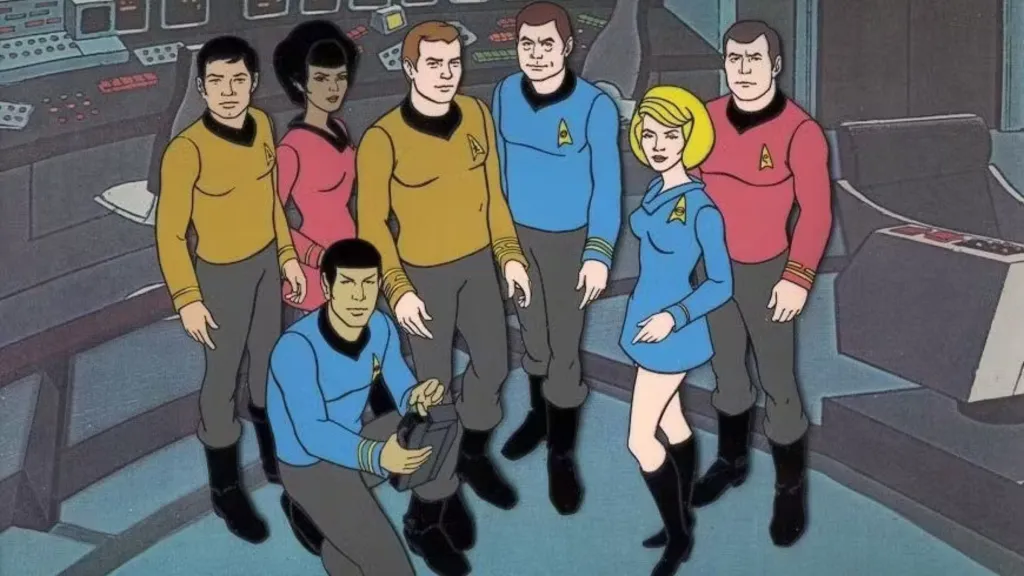
When Star Trek: The Original Series was canceled after three seasons, Gene Roddenberry tried to resurrect it in animated form. This first animated series ran for only two seasons and offered the same type of adventures as The Original Series.
This animated series is an extension of The Original Series. The stories are interesting, but this series offers little that is new or exciting and can safely be skipped if viewers dislike animated series or are eager to meet different characters.
6) Star Trek: The Next Generation
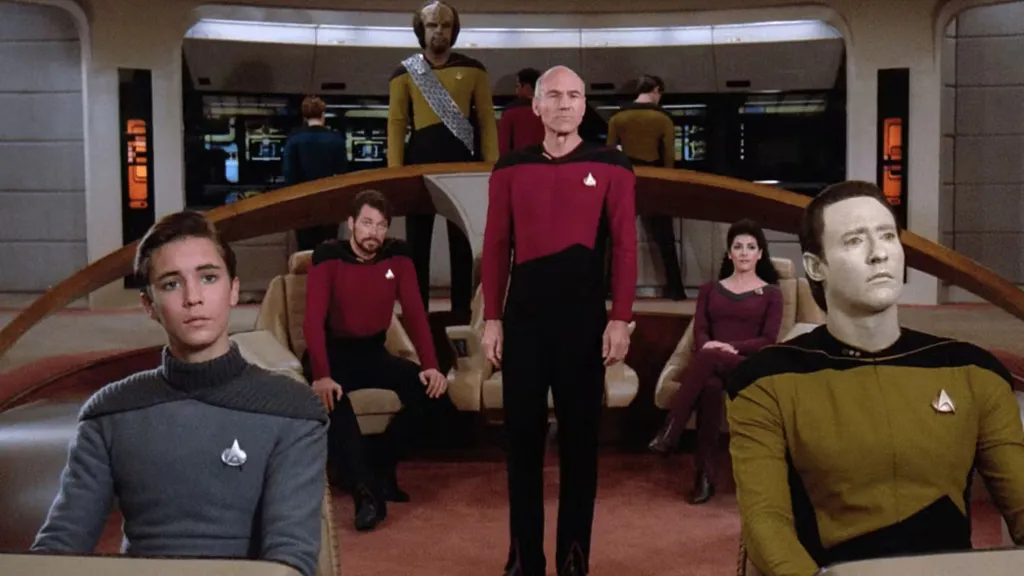
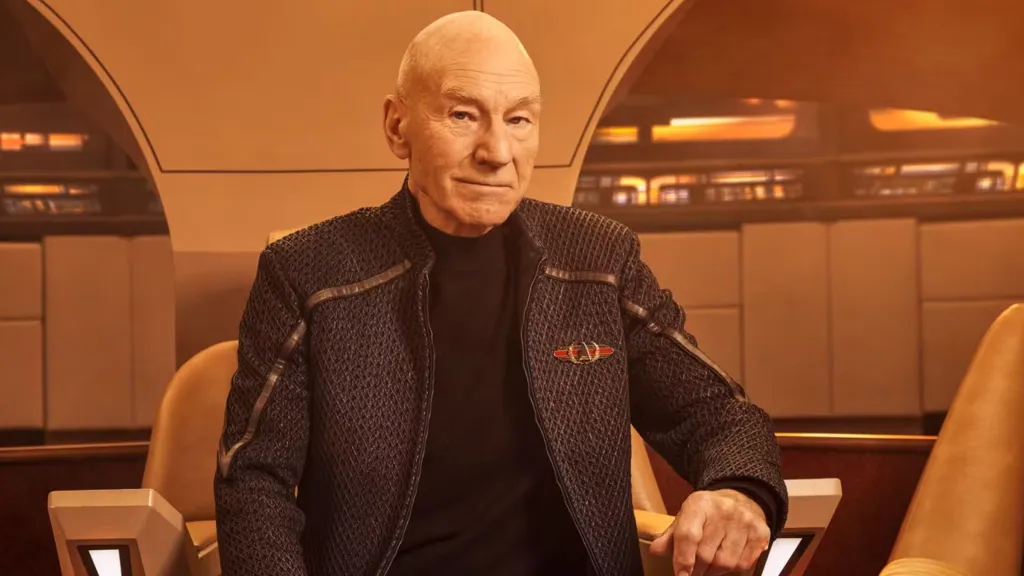
Star Trek: The Next Generation is almost as definitive a piece of the franchise as The Original Series. This series, set about 100 years after The Original Series, introduces iconic characters such as Patrick Stewart’s Captain Jean-Luc Picard, LeVar Burton’s Geordi La Forge, and Brent Spiner’s Data, an android who serves aboard the Enterprise.
The Next Generation embraced the same core values of exploration, inclusion, and acceptance of other lifeforms as the original. It introduced the franchise to a whole new generation and became part of popular culture for seven years, revitalizing the franchise and paving the way for other spinoff shows.
5) Star Trek: Deep Space Nine

Deep Space Nine was different from the Star Trek shows that had come before it because it took place on a space station rather than on the Enterprise. It deepened the franchise in many ways, starting with making it clear that shows didn’t have to take place on the Enterprise, and had frequent crossovers with The Next Generation, which was still on the air when Deep Space Nine premiered.
Deep Space Nine is also the first show in the franchise to feature a Black captain, Benjamin Sisko. This change not only offered badly-needed representation to Black fans of the franchise, but more closely embodied Star Trek‘s values of inclusion and acceptance.
4) Star Trek: Voyager

Star Trek: Voyager was a spinoff of Deep Space Nine that followed the first female captain in the history of the franchise. Kate Mulgrew’s Captain Janeway and her crew get stranded in the Delta Quadrant and struggle throughout the series to get home.
This premise is a strong departure from the original premise of Star Trek, which followed the Enterprise as it explored new worlds. Voyager instead had the crew going on adventures while trying and failing to get home, which was an important tonal shift that again deepened the franchise, expanding the types of stories that could be told in future Star Trek shows.