Videos by ComicBook.com
While he had an extremely strong start, he continued to show himself capable of delivering a wide range of novels throughout the 1980s. In that single decade he wrote a whopping 18 books, including novels, collections, and an illustrated novella. We’re ranking them all here because, while some are wonderful, others showed that you can’t write that much without having a few that don’t measure up, even if you’re as startlingly brilliant as King. However, we did leave off the nonfiction Danse Macabre and the coffee table book Nightmares in the Sky: Gargoyles and Grotesques.
18) The Tommyknockers
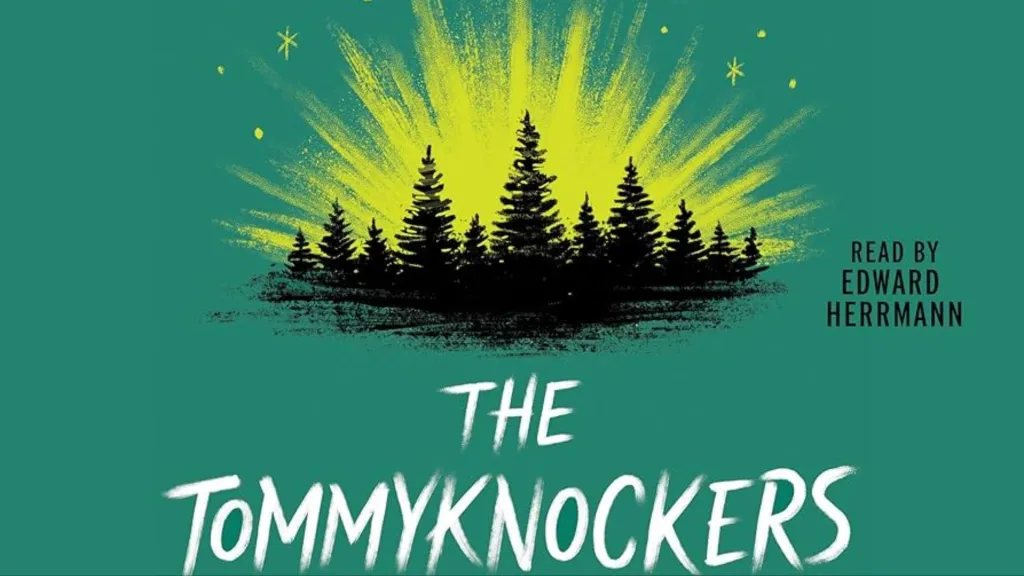
Like Dreamcatcher, The Tommyknockers is a sci-fi horror novel that King himself has publicly bashed. While writing he was battling addiction, and by his own admission it resulted in a novel with a lot of unnecessary padding on what could be a streamlined narrative. But even if it was streamlined there is nothing that would help elevate it to the upper echelon of his bibliography.
17) Roadwork
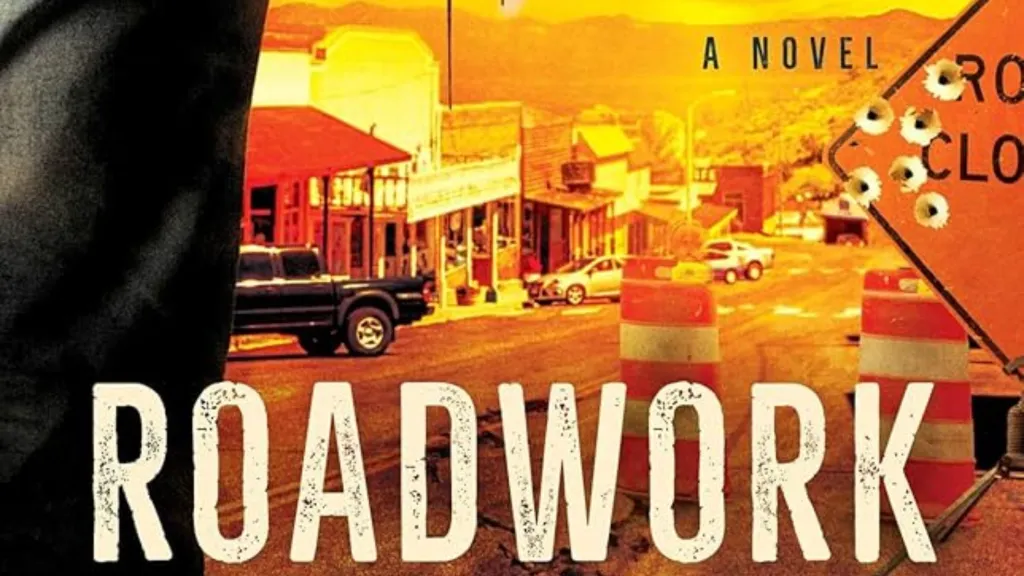
Of the seven books King wrote under the pseudonym Richard Bachman, three of them came out in the ’80s: Roadwork, The Running Man, and Thinner. Two of them are skippable and one of them is The Running Man. Roadwork is a step above The Tommyknockers, because it’s a coherent (albeit brief) read, but it’s still a man vs. the world tale that could have been written by plenty of other authors.
16) Thinner
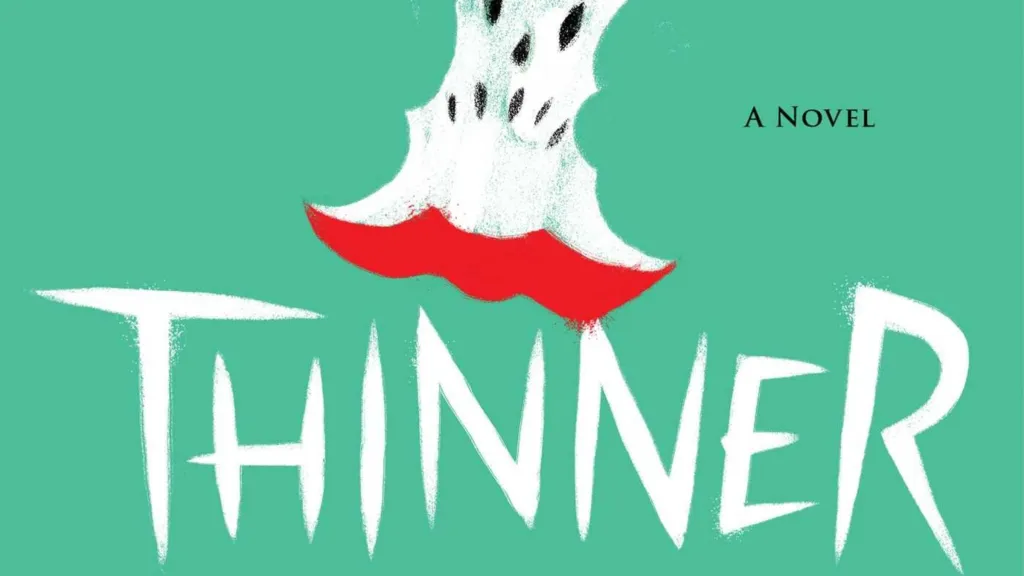
When it comes to Thinner, it’s better than the movie, but not by leaps and bounds. This story of an obese lawyer who accidentally kills a Romani woman and gets a curse placed on him as a result is hindered considerably by the fact that its protagonist is simply unlikable. It’s very tough to spend time with him. It deserves some credit for its concept and fantastic dark ending, but otherwise it’s a slight work from the author.
15) The Eyes of the Dragon
1984 saw King depart the horror genre for the most part. It was the year of Thinner, but it was also the year of not one but two fantasy novels: The Talisman (co-written with Peter Straub) and The Eyes of the Dragon. The Eyes of the Dragon is the biggest change of pace for the author, and the negative reaction from fans was a big part of why Misery came into existence. It’s really not as bad as fans made it out to be at the time, but it’s still a YA fantasy novel from an author who hadn’t had much experience in that realm. The inclusion of Randall Flagg is neat, but that’s the only thing that makes Dragon feel like truly necessary reading for anyone but the most devoted King fan.
14) The Talisman
Consider The Talisman tied with The Eyes of the Dragon. They both represent King moving out of his comfort zone and trying something new, but not without the flaws that can come with doing such a thing. In the case of The Talisman, it’s interesting that he collaborated with another author on a single vision, but the problem inherent with that is the clash of distinct voices. Even still, going into an alternate dimension to try and find something to help one’s dying mother is a nice emotional hook to get the audience, and when the book isn’t getting distracted from that core plot it’s solid enough.
13) The Dark Tower: The Gunslinger
A major passion project for King (it took him over a dozen years to write these 224 pages), The Dark Tower: The Gunslinger is an impressive doorway into the author’s most expansive world. It’s very much a companion piece of sorts to The Stand, and not just because it also features Randall Flagg aka The Man in Black. Not to mention, though it is fantasy just like The Talisman and The Eyes of the Dragon, it feels much closer to King’s voice. This one ranks as high as it does because we’re thinking of the improved 2003 revised version, which rectified some irksome continuity problems.
12) Firestarter

King’s first novel of the ’80s was certainly influential. It’s hard to imagine Eleven of Stranger Things fame existing without little Charlie McGee. It also has an in medias res type of storytelling that works extremely well and is a nice standout from the author’s usual brand of telling a story from the beginning. It’s not particularly scary, but it does coast on the central dynamic between father and daughter. We grow to like them very swiftly, which is what makes their being pursued by shadowy, sinister figures suitably hair-raising. Even still, of the ’80s King books widely regarded as classics, it’s the weakest, mostly thanks to a middle third that only seldom justifies its existence.
11) Cycle of the Werewolf

Cycle of the Werewolf, the novella which served as the source material for the underrated Silver Bullet, may very well be the breeziest thing King has ever written. It’s a genuinely fun read with a stylish form of season-focused storytelling that makes the 127 pages fly by. Like in the movie, Marty Coslaw is a protagonist who is easy to root for and his bond with his uncle is a charming one. It’s a little more focused on werewolf action than developing deep characters, but what we get on both fronts works quite well.
10) The Running Man
Easily the best of the Bachman books, The Running Man is a lightning-paced adrenaline rush of a novel that only suffers when one realizes that its protagonist is kind of a jerk. Fortunately, both film versions of the source material ironed that particular issue out. It also comes with a dynamite ending, which is something Edgar Wright’s movie sadly (but quite understandably) revised. None of the Bachman books reach that “Great” level, but The Running Man is certainly in that “Very good” category. He also wrote the thing in just one week (though it wasn’t published until a decade later), which will always be jaw-droppingly impressive.
9) The Dark Half
King’s final novel of the ’80s, The Dark Half, sees him returning to a tortured writer protagonist. It’s just, this time, said torture comes from within. This was his response to the Richard Bachman pseudonym being sussed out, and while it isn’t quite as strong as Misery it’s still a tense, rather lean read with a solid ending. And, as many King fans know, endings aren’t typically his forte.