Videos by ComicBook.com
7) Early 1960s: The Twilight Zone
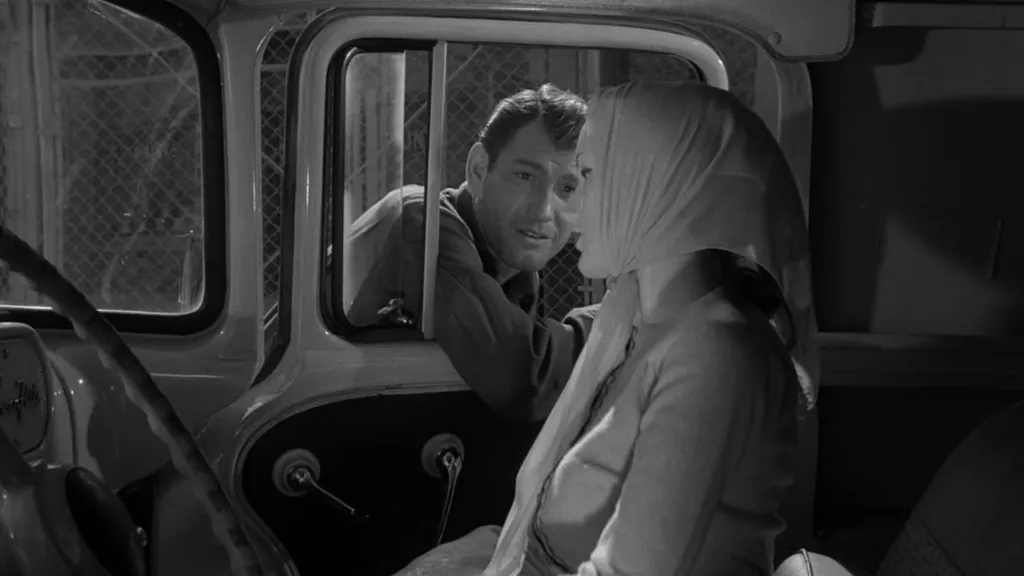
The Twilight Zone was one of the earliest science fiction shows, and the first to give voice to the tensions that were just under the surface of the allegedly happy and prosperous American society in the pre-Kennedy assassination years.
From 1959 to 1963, Serling’s sci-fi and horror anthology series addressed racism, scapegoating, and inequality through stories involving aliens and unexplained phenomena. The series also addressed situations that were familiar to the average American family, such as the death of a beloved grandparent, making its deeper messages more palatable. Many people tuned in for the Twilight Zone‘s surprise twist endings, while others enjoyed watching well-known guest stars take unusual roles.
6) Late 1960s: Star Trek
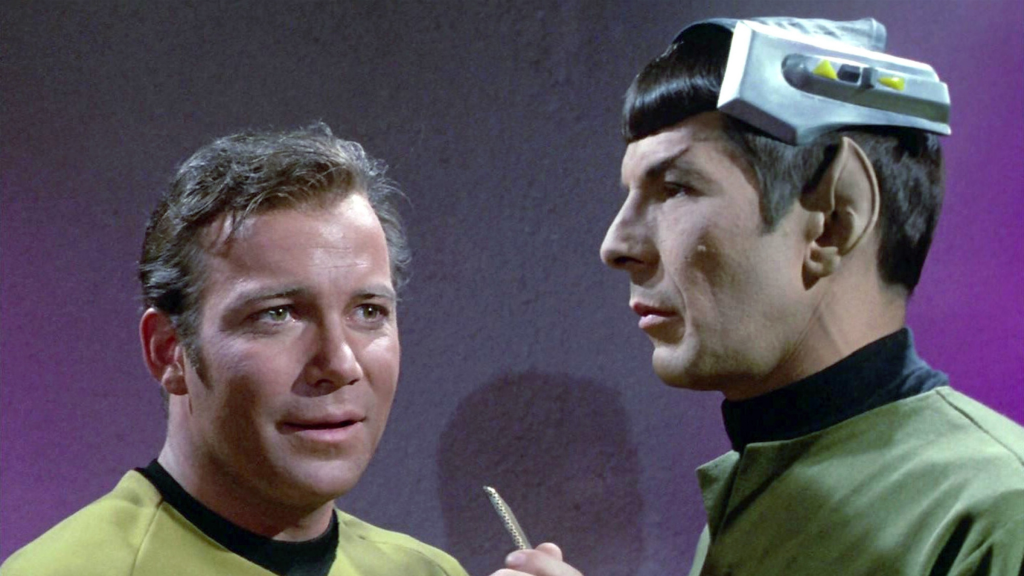
Star Trek is inarguably one of the most influential science fiction series of all time. It debuted during a time of great societal upheaval and didn’t shy away from social issues that were dividing the United States. It was one of the first shows to have a diverse cast and was constantly pushing the envelope on what was acceptable to broadcast in order to improve inclusivity.
These themes, along with the idea of space exploration, reflected the turbulent late 1960s. The Civil Rights Movement was in full swing, the Vietnam War was ongoing, and Americans were divided about everything that was happening. Many people turned to Star Trek for reassurance that a future was someday coming where people lived in peace, respected differences, and sought to make the entire universe a better place.
5) Early 1980s: V

Although there was an explosion of science fiction shows in the 1970s, no one show really defined that generation. However, the early 1980s were a different story. The science fiction miniseries V captivated audiences who were fearful that the Cold War with Russia would turn hot, especially since the US and Russia were both interested in outer space.
V reflected these fears via a story about aliens who invaded and disguised themselves as benevolent humans while secretly planning to kill humans for food and steal all the available water. This plot also reflected the growing fear that natural resources were becoming depleted, which began to become prevalent during this era.
4) Late 1980s/Early 1990s: Star Trek: The Next Generation

Star Trek: The Next Generation was as influential as the original Star Trek. It introduced American audiences to the legendary Patrick Stewart as Captain Picard, and many viewers who knew Levar Burton as the host of Reading Rainbow were delighted with his performance as Geordi La Forge. Phrases such as Picard’s “Make it so” entered the pop culture lexicon, and the new series helped kick off the franchise, leading to other spinoffs such as Deep Space 9.
Just as importantly, The Next Generation continued Star Trek’s commitment to values such as inclusivity, peace, and harmony while offering updated technology to complement its stories. Touchscreens, the use of the holodeck, and other technological advancements helped modernize the series while the basic themes remained the same during the best episodes of Star Trek: The Next Generation, giving a new generation of fans hope for a future where humanity had resolved many of its problems.