Videos by ComicBook.com
These animated series all offered a variety of high-quality episodes, demonstrating that they were just as worthy of the franchise as live-action series and movies. Some episodes, such as Lower Deck‘s “First First Contact”, are often ranked highly on fan lists of their favorite episodes throughout the entire franchise. For this reason, it is difficult to narrow down which episodes are truly the best animated episodes, but several stand out from the rest.
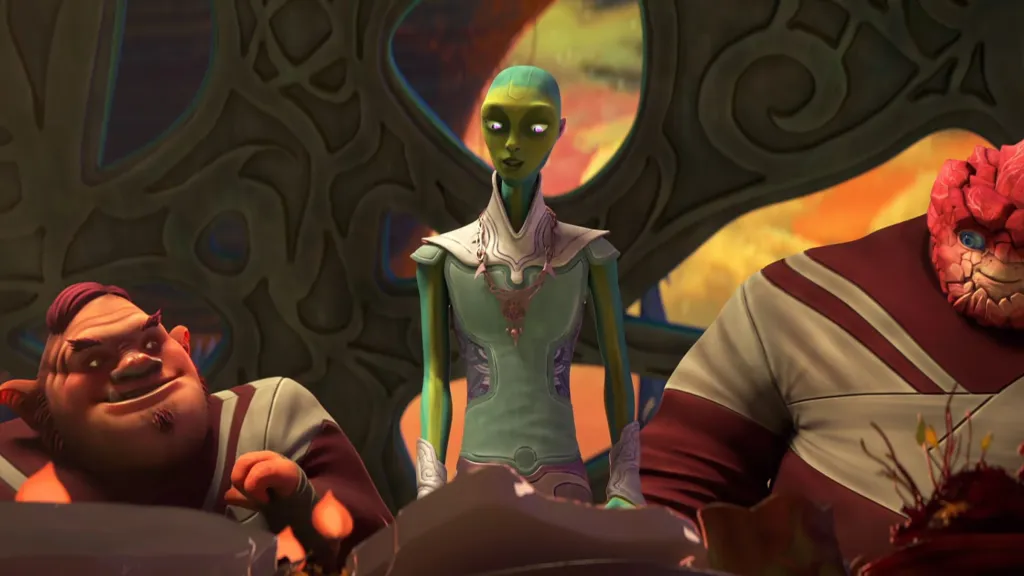
7) “Observer’s Paradox” – Prodigy
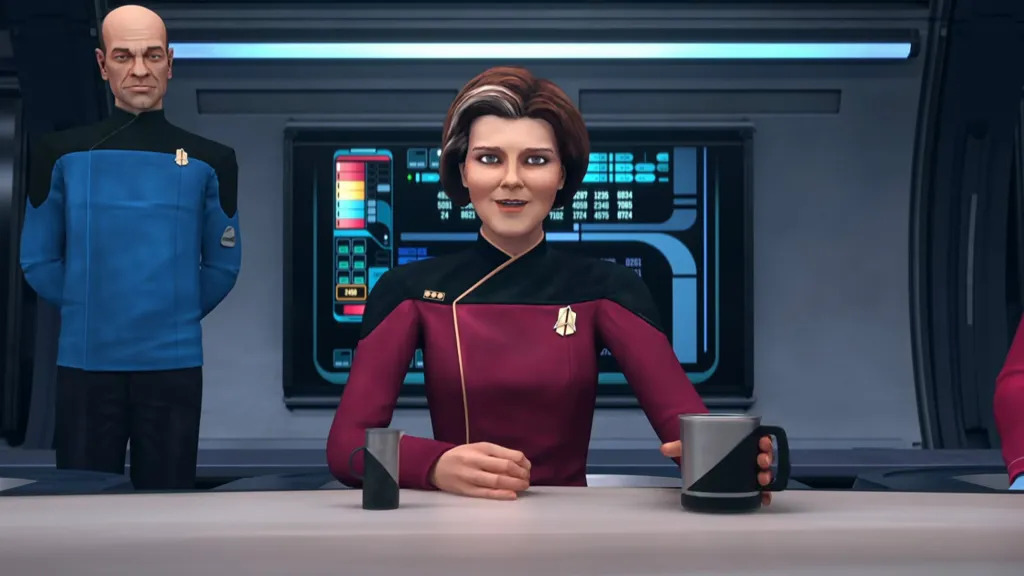
“Observer’s Paradox” revolves around the aftermath of the Protostar crew having accidentally changed past timelines, leading to Gwyn being displaced from her proper reality. The episode uses classic tropes such as time travel problems and a cryptic message from a mysterious entity encountered in the past timeline. The young protagonists must find a way to work together to decipher a message given through Murf that they cannot understand, while The Doctor keeps an eye on them and Janeway tries to find a way to fix Gwen’s timeline.
While all of this is interesting, it is also standard Star Trek fare. However, this episode shines because of the raised stakes: Starfleet orders the wormhole closed before Gwyn’s timeline is restored, and it’s unknown how this will affect her. Later, Gwyn also has to change the frequency on her armband as part of deciphering the cryptic message, which disrupts her stabilization in this reality.
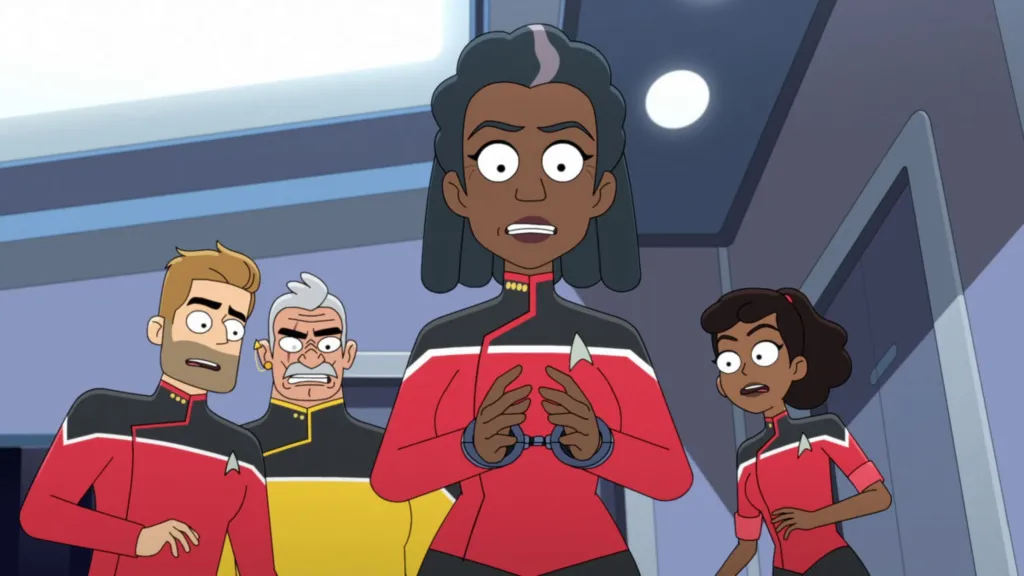
6) “Hear All, Trust Nothing” – Lower Decks
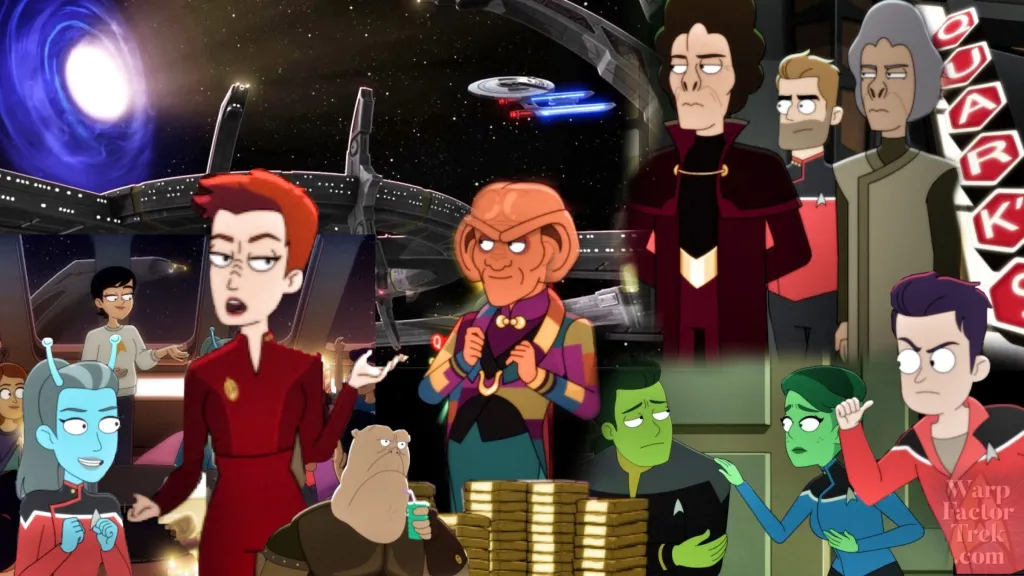
“Hear All, Trust Nothing” is a fan favorite because it offers a crossover with Star Trek: Deep Space 9 in animated form. The episode begins with Freeman being ordered to take over trade negotiations with the Karemma, a mercantile species, to heal the scars of the Dominion War. Freeman has little time to prepare, but fortunately, the talks will take place on Deep Space 9, where Kira is on hand to help.
The crossover appearances add to the fun in one of the most hilarious episodes of the series. The Karemma are an interesting species that only agree to the negotiations because they think they can manipulate things into big profits for themselves, though later they become dangerous, partially thanks to Deep Space 9‘s Quark fighting with them. However, the best part of the episode is Marina’s subplot, in which her bossiness turns out to be an asset despite her efforts to hide it.
5) “One of Our Planets is Missing” — The Animated Series

“One of Our Planets Is Missing” reflects the plotlines and values that made The Original Series so successful. The episode revolves around a cloud-like entity that appears to be eating other planets. While the easiest way to deal with the threat is to kill the entity, Kirk prefers not to do so, demonstrating the dedication to avoiding violence and loss of life whenever possible.
The end of the episode is satisfying because it shows that Kirk’s impulses were correct. When Spock mind-melds with the entity and helps it see that there are living beings on the planet that will be killed if it eats them, the entity decides to change its plans. This is a brilliant way to showcase the theme of building bridges of understanding with alien creatures rather than assuming ill intent. Of course, the question of what the entity will eat is not resolved, leaving a weird Star Trek plothole, but the theme still makes this episode stand out.
4) “The Slaver Weapon” — The Animated Series
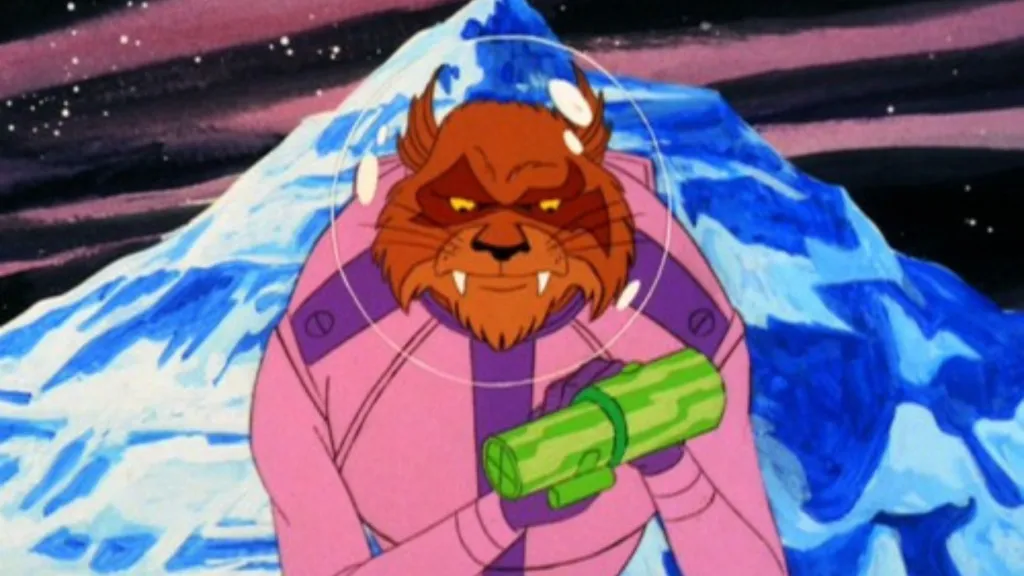
“The Slaver Weapon” is widely considered to be one of the best episodes of The Animated Series because of the high-stakes storyline and the theme of violence always leading to self-destruction. Larry Nivens based the teleplay for this episode on his own short story, and the ending is one that is equivalent to the best Twilight Zone twist endings.
This story revolves around a statis box that Kirk, Spock, Uhura, and Sulu are supposed to deliver — but the formerly powerful Kzniti want the weapon inside it to try to restore their former empire. The brilliance of this story comes in the last few minutes, when the Kzniti’s violent attempt to return to the past causes them to accidentally engage the weapon’s self-destruct mode, underscoring Star Trek‘s theme that violence doesn’t pay.