There is, however, another unfortunate category of fantasy shows, the ones that launch with extraordinary ambition and an audience primed for a long-running success, only to fail to replicate the energy of their debut. The reasons vary, as creative teams depart under contractual pressure, networks interfere with production, source material is mishandled, or the structural demands of serialized television expose the limitations of a concept that burned most brilliantly in its opening hours. Still, it’s sad when a great fantasy series peaks in its first season.
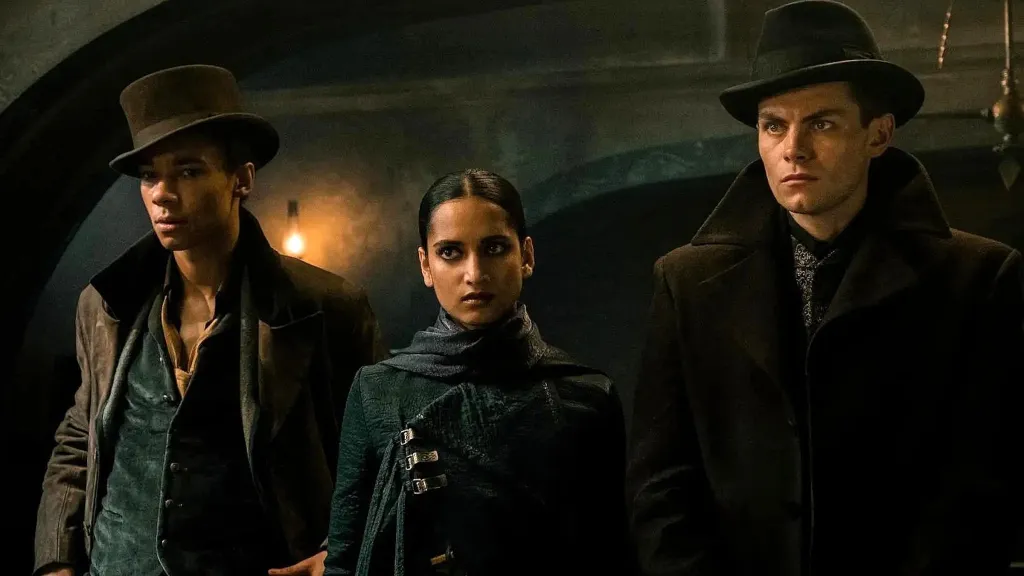
5) Shadow and Bone
Image courtesy of Netflix
Shadow and Bone premiered on Netflix in 2021 with a debut that ranked among the platform’s top English-language launches at the time, drawing 230 million hours of viewing in its first 28 days. The series adapted Leigh Bardugo’s Grishaverse novels by centering on Alina Starkov (Jessie Mei Li), a young soldier who discovers she possesses a rare magical power in a world divided by a dark supernatural fold. The first season confidently weaved in characters from the separate Six of Crows duology without losing narrative focus, earning the show an 89% approval rating on Rotten Tomatoes.
The second season of Shadow and Bone, released in 2023, attempted to adapt material from six different source books simultaneously, and the rushed pacing fractured the storytelling discipline that had made the debut so well-received. Viewership dropped sharply after the second week of Season 2’s run, and Netflix canceled the series a few months later, simultaneously ending development on a planned Six of Crows spinoff that already had completed scripts. As a result, the Grishaverse, which briefly looked like Netflix’s next major fantasy franchise, concluded on a cliffhanger it will never resolve.
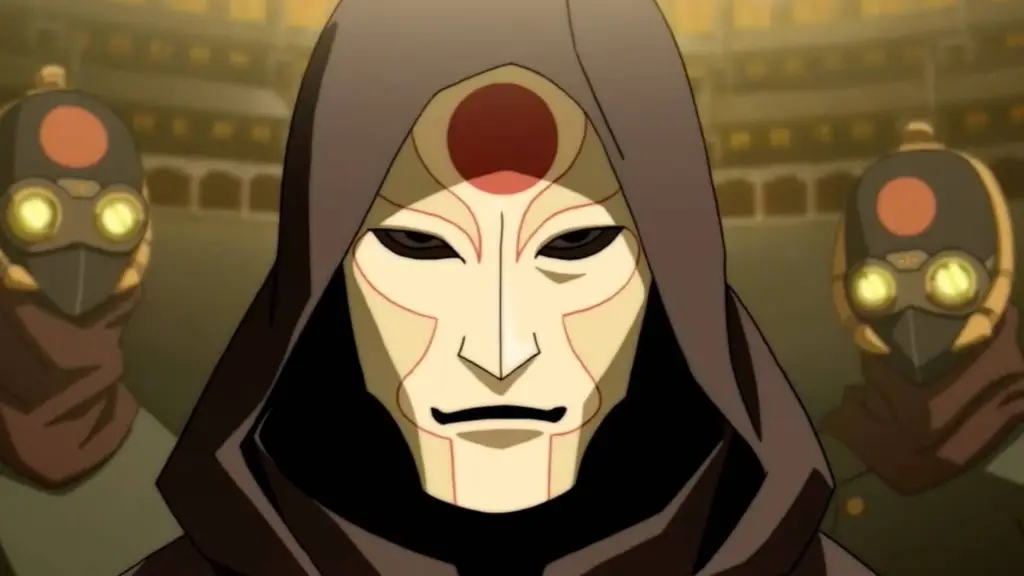
4) Avatar: The Legend of Korra
Image courtesy of Nickelodeon
“Book One: Air” of Avatar:The Legend of Korra launched in 2012 as the most-watched animated series premiere in the United States that year, drawing an average of 3.8 million viewers per episode on Nickelodeon. Creators Michael DiMartino and Bryan Konietzko set the series in a 1920s-inspired metropolis called Republic City, and the story of an uprising against benders led by the masked Amon gave the show one of the most ideologically complex antagonists in the history of American animation. However, “Book Two: Spirits,” which premiered in 2013, is almost unanimously seen as the lowest point of the entire franchise.
The second season of The Legend of Korra suffered an immediate structural problem when Studio Mir, which had animated the first season, initially declined to return. A split between two animation studios—Pierrot handled the early episodes, Mir stepped back in for later ones—introduced visible inconsistencies in visual quality throughout the season, which dragged the quality down. On the story front, the new villain, Unalaq, lacked the moral dimension that had made Amon so compelling, while the expansion of the Avatars’ mythology introduced serious inconsistencies to the lore. It’s no wonder critical approval plummeted, and viewership dropped, with Nickelodeon eventually pulling the series from its main broadcast network entirely. While the final two seasons of The Legend of Korra improve on the second, they never achieve the heights of the first one.
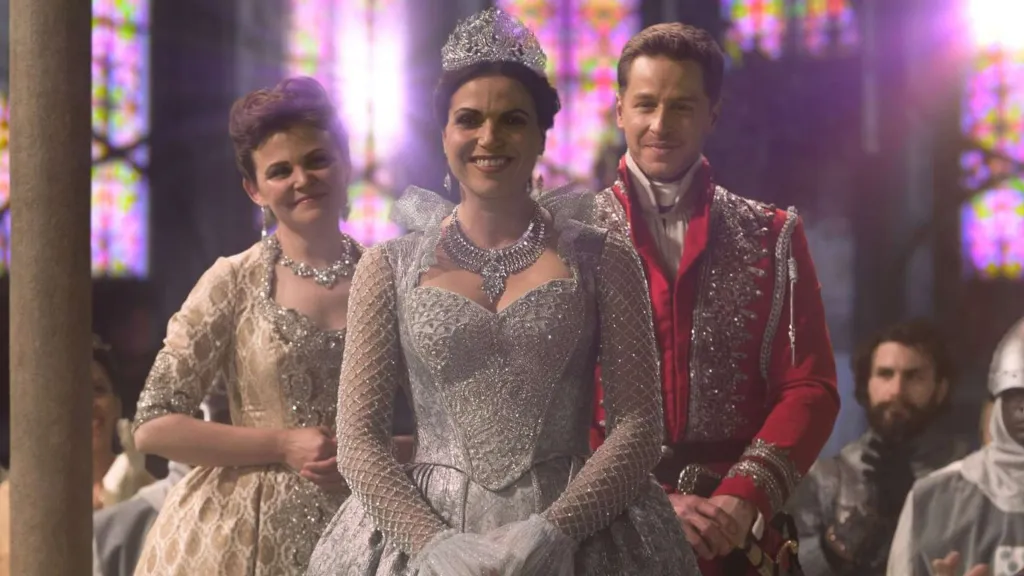
3) Once Upon a Time
Image courtesy of ABC
Once Upon a Time debuted on ABC in 2011 and was immediately declared the top-rated new drama of the season. The first season revolved around fairy tale characters, cursed into an ordinary existence in the Maine town of Storybrooke, who had no memory of their true identities. Based on this clever premise, the show used flashbacks to their enchanted pasts to gradually reconstruct a shared mythology that united different corners of children’s literature. That architecture gave Season 1 a clarity of purpose that the series never recovered once the central curse broke at the finale.
Creators Edward Kitsis and Adam Horowitz spent the following six seasons of Once Upon a Time attempting to replicate the tension of that original mystery by introducing new curses, new villains, and new Disney fairy tale properties at a rate that progressively diluted the emotional weight of the show’s core characters. The seventh and final season even executed a near-total cast replacement and narrative reboot that irreversibly collapsed the brand. Once Upon a Time ran for 155 episodes, and the consensus among its audience is that the best of them aired in the first 22.
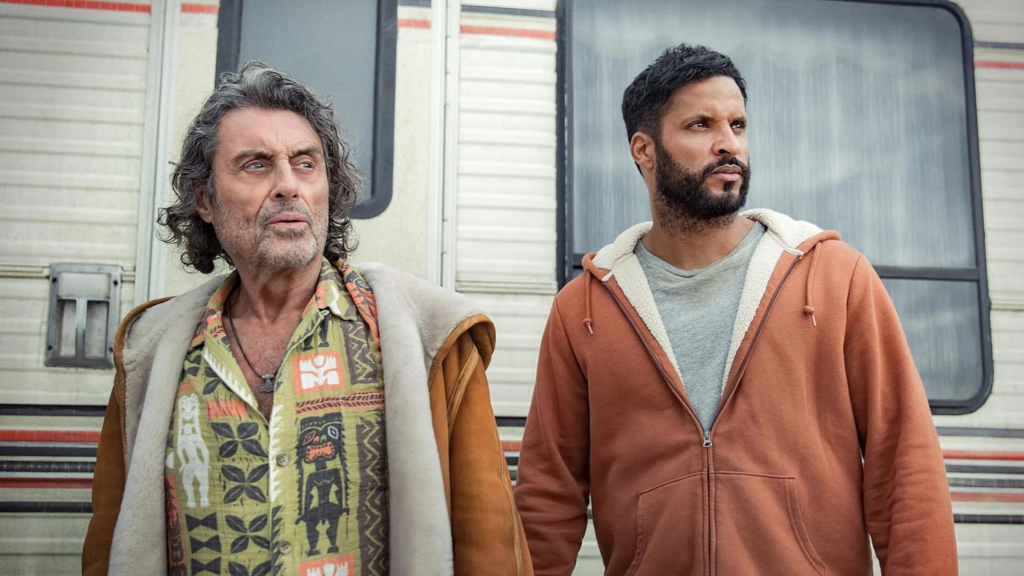
2) American Gods
Image courtesy of Starz
American Gods premiered on Starz in 2017 with a 92% approval rating on Rotten Tomatoes and the unmistakable creative signature of showrunner Bryan Fuller, whose previous work on Hannibal had established him as one of American television’s most visually audacious producers. Fuller and co-showrunner Michael Green adapted Neil Gaiman’s 2001 novel by expanding its first five chapters across eight episodes, introducing a richly diverse cast built around Ricky Whittle as Shadow Moon and Ian McShane as the enigmatic Mr. Wednesday. Unfortunately, Fuller and Green were fired by production company Fremantle before Season 2 due to budget disputes, as the first season had gone significantly over budget, and the show’s confident aesthetic vanished almost immediately under replacement showrunner Jesse Alexander.
American Gods cycled through a total of four showrunners across three seasons. In addition, major cast members, including Gillian Anderson and Kristin Chenoweth, departed alongside the original creative team, and a third-season controversy surrounding the firing of Orlando Jones generated significant negative press heading into a season that no one was watching anyway. By Season 3, viewership had declined 65% compared to Season 1, and Starz canceled the series in 2021. American Gods remains unfinished, with Gaiman’s source material only partially adapted and no resolution in sight.
1) The Witcher
Image courtesy of Netflix
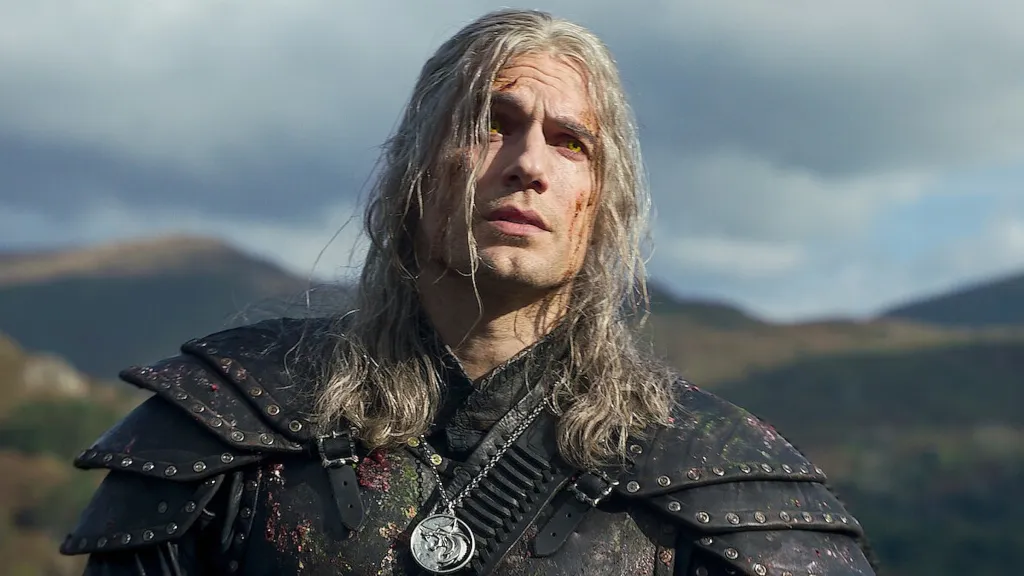
The Witcher premiered on Netflix as the platform’s answer to the cultural dominance of Game of Thrones. The series adapted Andrzej Sapkowski’s Polish fantasy novels around the monster-hunter Geralt of Rivia (Henry Cavill), and Cavill’s physical commitment to the role, combined with a non-linear narrative structure that rewarded close attention, generated the kind of word-of-mouth momentum that sustains a fantasy franchise for years. Unfortunately, Season 2 of The Witcher aggressively departed from Sapkowski’s source material, earning an implausibly high 95% from critics while audiences rejected it outright at 45%, and that disconnect between critical reception and fan response established the destructive pattern that has defined every subsequent season.
Cavill departed ahead of Season 4, a decision he reportedly connected to the show’s increasing distance from Sapkowski’s work. His replacement, Liam Hemsworth, made his debut in with an 52% audience drop from Season 3, as the main protagonist replacement felt like the final straw for fans struggling to engage with the show. Even worse, every spinoff of The Witcher was heavily criticized for disjointed scripts and confusing creative choices, which only helped undermine the main series. Netflix has confirmed that Season 5 of The Witcher, currently in post-production, will serve as the final chapter of a franchise that once looked like the streaming era’s definitive fantasy epic.
Which fantasy show do you think wasted its most promising first season? Leave a comment below and join the conversation now in the ComicBook Forum!