Videos by ComicBook.com
These series are mature and creative, giving the showrunners and writers the freedom they would not have with a two-hour runtime of a theatrical release, ultimately delivering series that hit fans on a deep level and leave a lasting impact on the saga’s lore.
10) Exploration of the Brutal Fallout of Order 66
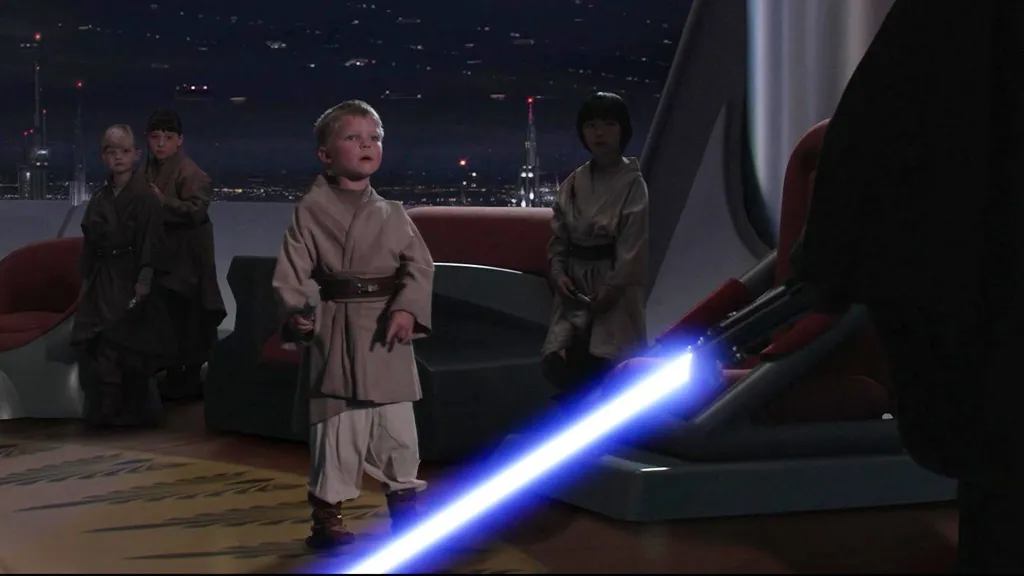
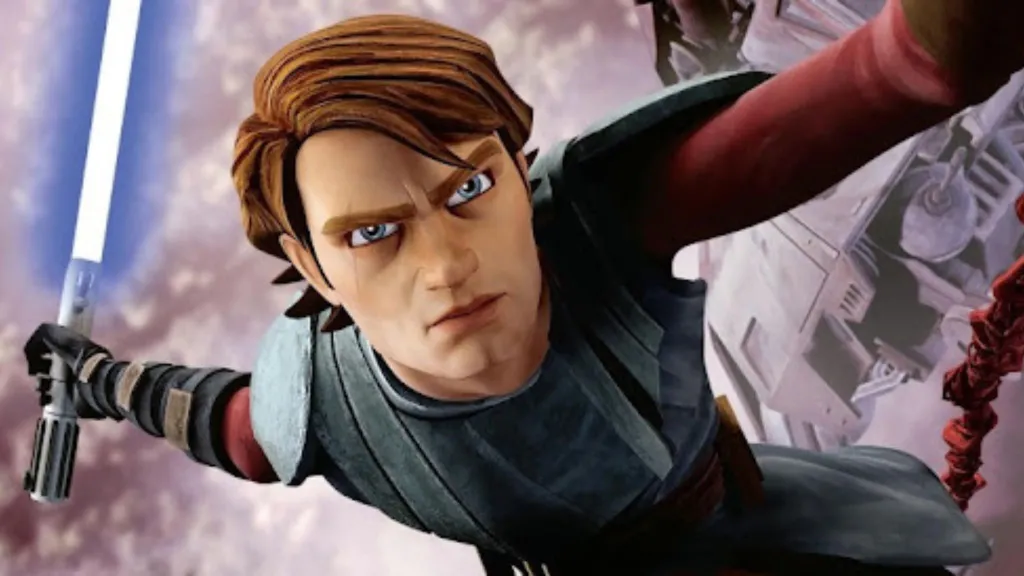
The serial format of television (or streaming) storytelling allowed viewers to witness the immediate, brutal aftermath of Order 66 from numerous perspectives, moving beyond the brief montage in Star Wars: Revenge of the Sith. Star Wars: The Clone Wars animated series sowed the seeds of betrayal over the course of multiple seasons, culminating in the final season where the chaos and fallout of Order 66 is shown in its full glory, particularly through Ahsoka Tano’s point of view and desperate attempts to survive. Star Wars: The Bad Batch focused on the confused, terrifying transition from Republic to Empire and the fate of rogue clones who no longer had a purpose, as they were created for the Clone Wars.
Rebels then picked up years later—beginning 5 years before A New Hope—illustrating the final, broken state of Jedi survivors and the rise of the early rebellion among people who remembered the Republic. Kanan Jarrus, one of the main protagonists of the series, was a young Padawan during Order 66 and witnessed his trusted brigade of clones turn against him and his master, ultimately leading to his master’s sacrifice to allow Kanan (then Caleb Dume) to escape and survive. Kanan’s survivor’s guilt, reluctance to step back into the role of a Jedi, and slow reconnection with the Force explore the true toll the slaughter had on everyone, particularly the young and terrified Padawans. This slow, deliberate storytelling of different experiences across multiple shows provided a more impactful, emotional, and comprehensive look at the galaxy’s darkest day.
9) Returning to Practical Effects vs. CGI
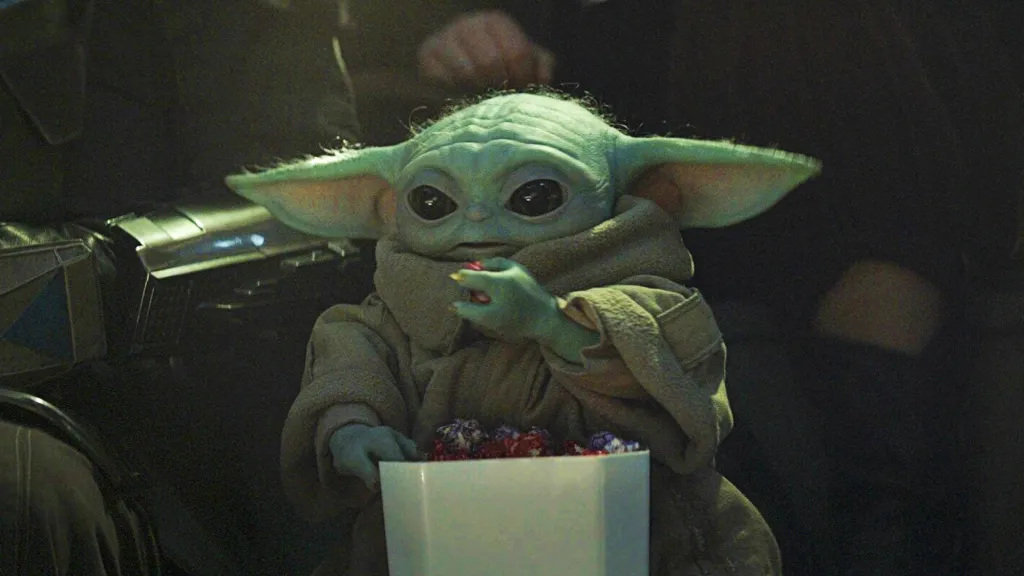
The first massive success for Disney+ Star Wars streaming was Star Wars: The Mandalorian. Led by Pedro Pascal as the titular hero, viewers were instantly transported back to the lived-in feel of the original trilogy, before digital effects took away an element of the theatrical magic. By using practical props, sets, and especially the sophisticated Grogu puppet, the series achieved a level of realism and connection that pure CGI sometimes struggles to match.
The Mandalorian’s commitment to a practical authenticity gave the world grounding weight and realness. The tangible textures of the costumes and environments, combined with the groundbreaking StageCraft LED volumes for realistic virtual backgrounds, resulted in a visual style that paid homage to the franchise’s roots while pushing technology forward.
8) The Expanded Character Building in Tales of the Jedi
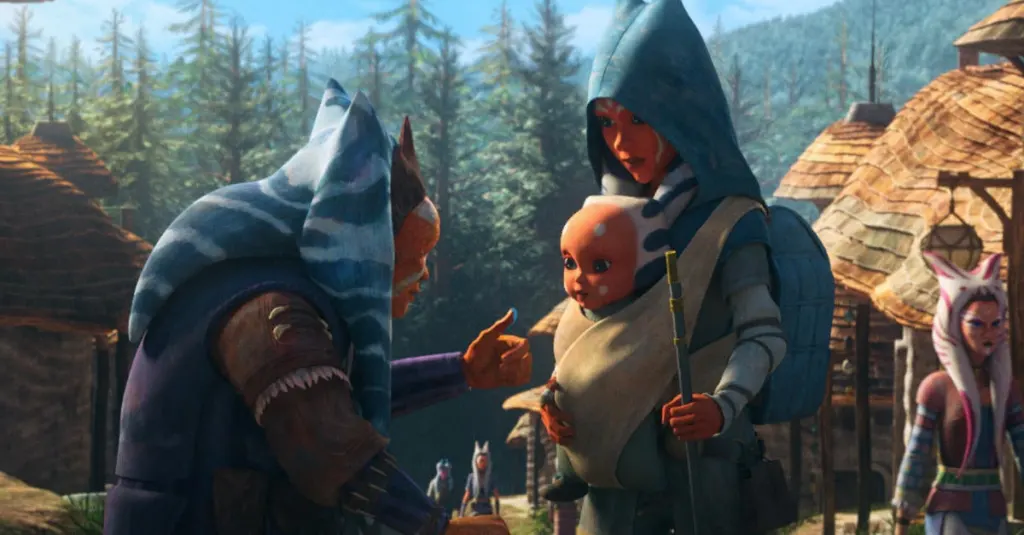
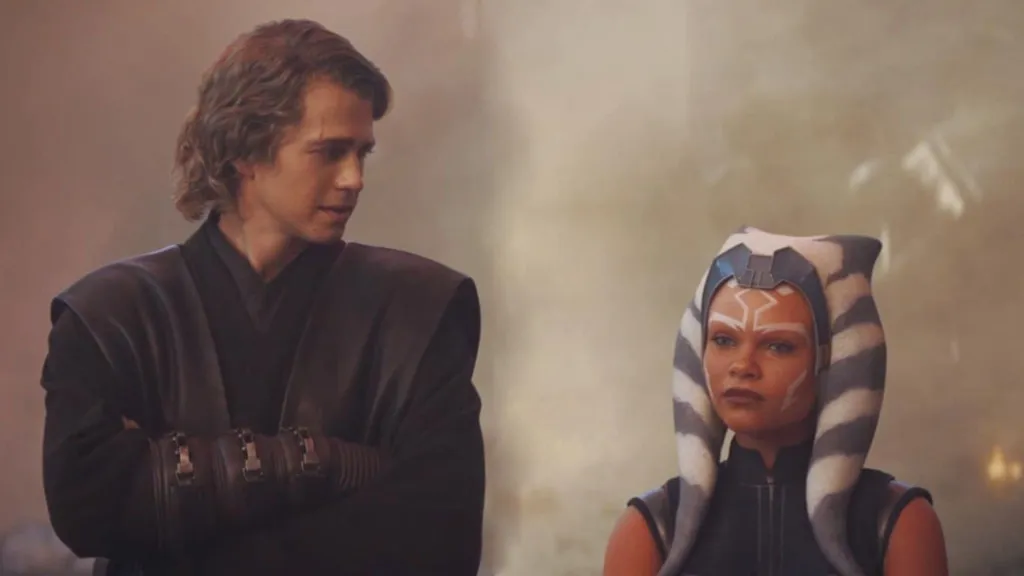
This short-form anthology was a masterclass in elegant, efficient storytelling, using six focused episodes to fill in crucial character backstories and moments of conflict. While other unrelated series in the same anthology have since been released—Tales of the Empire and Tales of the Underworld—the originating series stood out. By focusing on three stories of Ahsoka Tano and three others of Count Dooku, the series gave deeper context for vital character development, such as Count Dooku’s fall to the dark side and Ahsoka Tano’s earliest memories as a baby and survival post-Order 66 thanks to her lessons with her master, Anakin.
By focusing on specific, personal, pivotal events rather than a broad arc where viewers have to follow multiple storylines with a cast of characters at once, Tales of the Jedi allowed for concentrated character expansion. The show allowed viewers to empathize with Dooku’s disillusionment with the Jedi Order and understand why he took the steps he did to distance himself, as well as showcased Ahsoka’s inner strength, which is a cornerstone of who she is at her core. Tales of the Jedi enriched the overall personal stakes of the prequel era in just minutes.
7) Introducing the Inquisitors in Star Wars Rebels

The Inquisitors were a terrifying, effective new class of antagonist that bridged the gap between the Clone Wars and the Emperor’s eventual use of Darth Vader. They were the main antagonists for the Star Wars Rebels team, particularly Kanan Jarrus and his apprentice Ezra Bridger. With the Inquisitors’ singular goal of killing any remaining Jedi or Force-sensitives, their creation/introduction upped the stakes for the Ghost crew, and by extension all remaining Jedi in the galaxy, without needing to use Vader constantly.
Their introduction expanded upon the Empire’s internal structure, showing a ruthless dark-side hunting organization and the dark underbelly of a government posing as a savior to the “corrupt” Republic. The Inquisitors’ lightsaber designs and specialized hunting techniques were brand new and aesthetically captivating, allowing the action sequences to rise to new heights while exploring a dark, previously unseen element of Imperial power. After Rebels canonically introduced the Inquisitor, Charles Soule provided important context for the origin of the organization in his seminal Darth Vader comic run, making the Inquisitors even more complex than before.
6) The First Confrontation Between Darth Vader and Obi-Wan After Mustafar in Star Wars: Obi-Wan Kenobi

Obi-Wan Kenobi delivered a rematch between the two former “brothers” that was far more emotionally devastating and heartbreaking than the climax of Revenge of the Sith, which was an impressive feat considering the tragedy of Episode III. Through Obi-Wan’s eyes, viewers saw the full weight of his guilt over not fighting harder to save Anakin’s soul and bring him back to the light, contrasting with Vader’s simmering, broken rage over their ten years apart.
This second duel was completely different from the first, as Obi-Wan’s heart was not in it; all he could think about was how sorry he was that he failed someone he loved the most in the world. The moment Vader’s mask cracked (which was a live-action adaptation and homage to the 2016 long-awaited climactic battle between former master and apprentice, Ahsoka and Vader, on Malachor in the two-part climicatic Season 2 finale of Rebels), allowed teh real Anakin’s voice and eyes to surface and gave Obi-Wan a glimpse of a raw, painful visual representation of their broken bond that could never be mended.
5) The Essential Lore Established in Star Wars Rebels
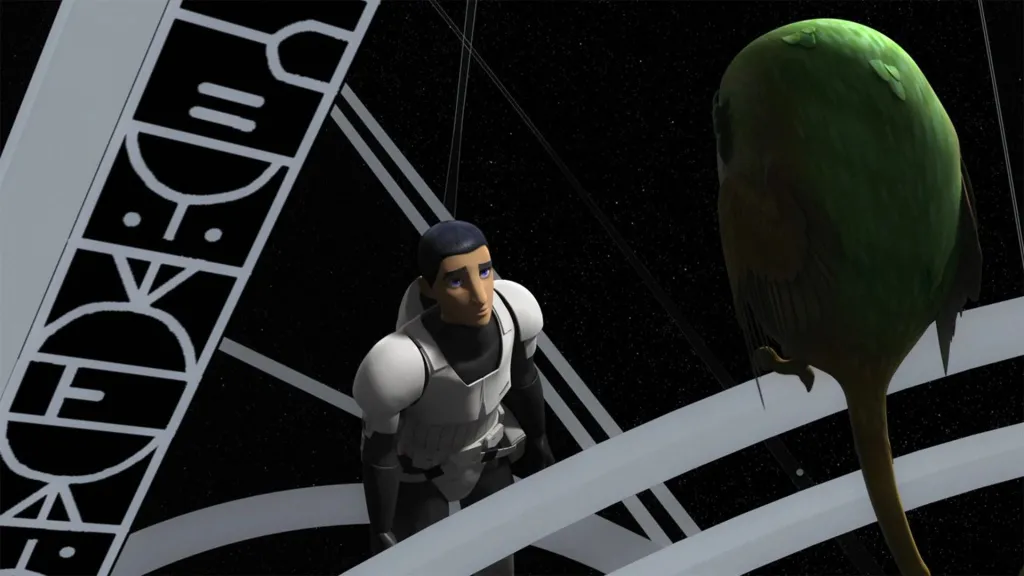
Rebels took bold steps in expanding the metaphysical and political boundaries of the Star Wars galaxy in a way that makes the series arguably one of the most important pieces of Star Wars content. It introduced the World Between Worlds, a transcendent realm that demonstrated the non-linear, temporal nature of the Force itself, completely changing how the Force was understood up until that point.