With that in mind, we’ve selected 10 shows that were undeniably historic and opened the door for everything that followed. Put simply, after them, the industry had to adjust.
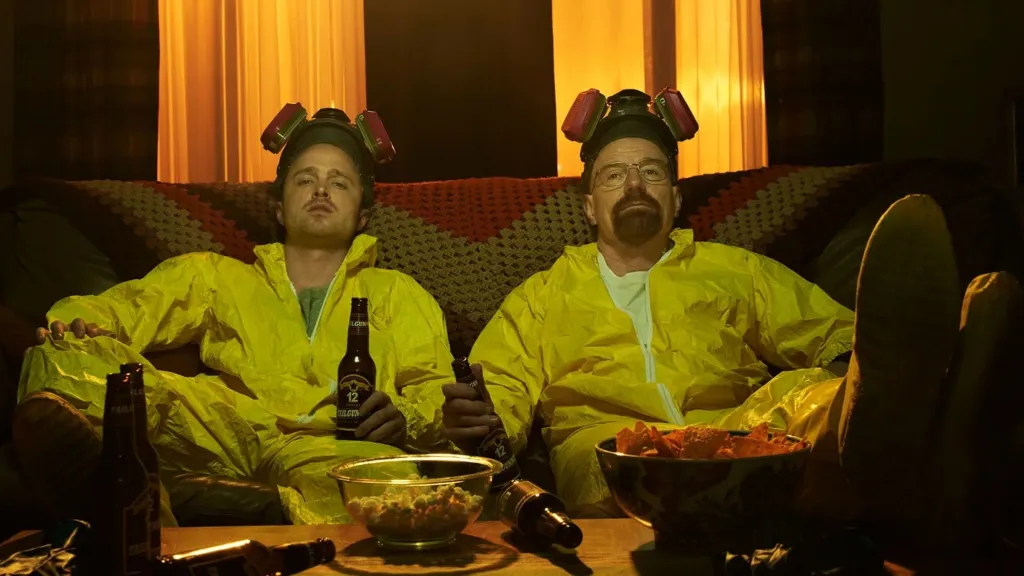
10) Breaking Bad
image courtesy of amc
The strongest aspect of Breaking Bad, and the reason it’s remembered today as a modern classic, is the almost obsessive precision behind Walter White’s character arc. The series follows his life as a high school chemistry teacher who, after being diagnosed with cancer, turns to manufacturing meth to provide for his family. For a story like that to sustain itself over many seasons, every twist has to matter — and when the show shocks you, it does so with purpose. Every escalation is rooted in pride, resentment, and a deep need for control. That level of psychological consistency raised the bar for what a TV anti-hero could be.
On top of that, its tightly planned structure, with no filler or wasted arcs, set a new standard. It may feel common now in the streaming era, but Breaking Bad was one of the pioneers in proving that TV could always deliver bold, dense, intelligent storytelling. It just needs the right execution.
9) Buffy the Vampire Slayer
Image Courtesy of The WB
Before Buffy the Vampire Slayer, try to think of a young adult series that genuinely took its own story seriously. Not that easy, right? The show follows Buffy Summers, a teenage girl destined to fight vampires and demonic forces while trying to survive high school, and later, early adulthood. And what set it apart was how it used literal monsters as metaphors for growing up, trauma, and emotional responsibility. That approach gave the show real depth and still connected directly with its audience.
It was also one of the first shows to structure entire seasons around a single villain (a model that later became standard). But most importantly, it built a strong female lead who wasn’t invincible or one-dimensional. Buffy the Vampire Slayer was groundbreaking because it proved that something positioned as pop TV could also be emotionally honest, ambitious, and sophisticated at the same time.
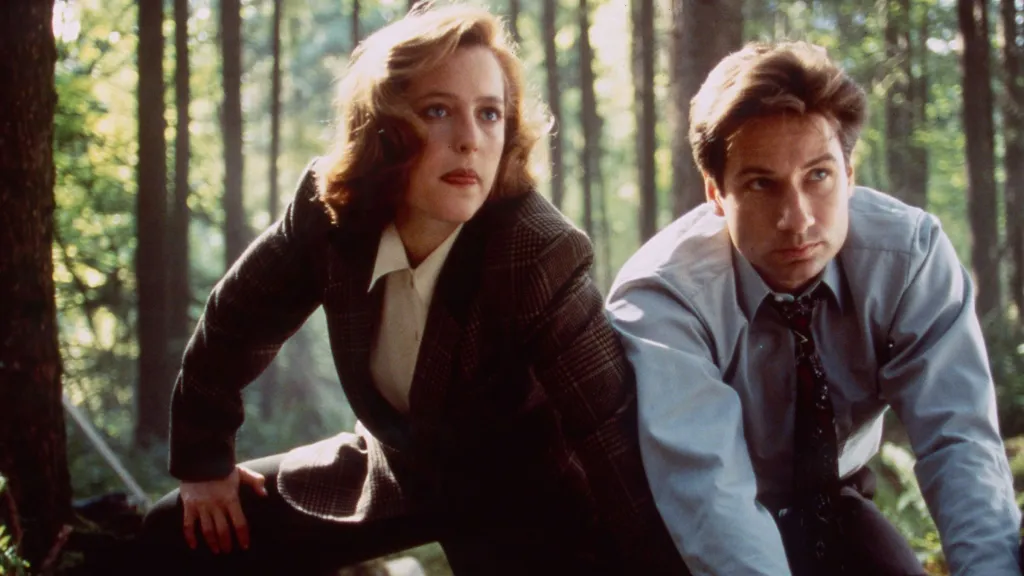
8) The X-Files
image courtesy of fox
You know the classic procedural formula? Case of the week, problem solved, reset. Can that structure be reinvented into something hybrid? The X-Files proved it could. The series follows FBI agents Mulder and Scully as they investigate paranormal cases, while a much larger government conspiracy unfolds in the background. In other words, it perfected the balance between the traditional “monster of the week” format and an ongoing mythology that took time to develop. For years, countless shows adopted that structure, butThe X-Files was the one that helped cement it.
Before Game of Thrones or Stranger Things even existed, Lost arrived as a big phenomenon, telling the story of plane crash survivors stranded on a mysterious island (and even people who never watched it know exactly which show this is). But what really separated it from the rest was the structure: long before alternating timelines became common, Lost used flashbacks (and later flashforwards and parallel realities) as a central dramatic engine. So every character had a backstory that recontextualized their present-day actions, which demanded real attention from the audience.
In many ways, it expanded on what The X-Files had already started, turning weekly episodes into fuel for fan theories and speculation. At the same time, it proved that network TV was more than ready to handle a large-scale, complex plot that could challenge people and captivate a massive audience.
6) Game of Thrones
Image Courtesy of HBO
By the time Game of Thrones premiered, several shows had already been labeled groundbreaking. But fantasy on TV was still limited by budget and scale. How many times has the genre felt compromised by weak effects or small production value? The series, which follows several noble families battling for the Iron Throne in Westeros in the middle of political schemes and wars, changed that perception completely. It treated fantasy with a level of seriousness and realism that the genre rarely received.
Black Mirror is the kind of smart show not just because of what it talks about, but because of how clearly it understood what came before it and chose to update that model for a new era. How? It took the classic anthology format and reshaped it into something urgent and modern: each episode tells a different story about technology and its side effects on society. But the real hook isn’t just the futuristic concepts, but the focus on human behavior within that modernization. Technology is never the only villain; instead, it amplifies insecurities and power structures that were already there, which is exactly why the whole production stirred up so much debate.
Black Mirror was groundbreaking because it turned contemporary anxiety into accessible, provocative storytelling, and very few series have captured the spirit of their time as sharply as it did.
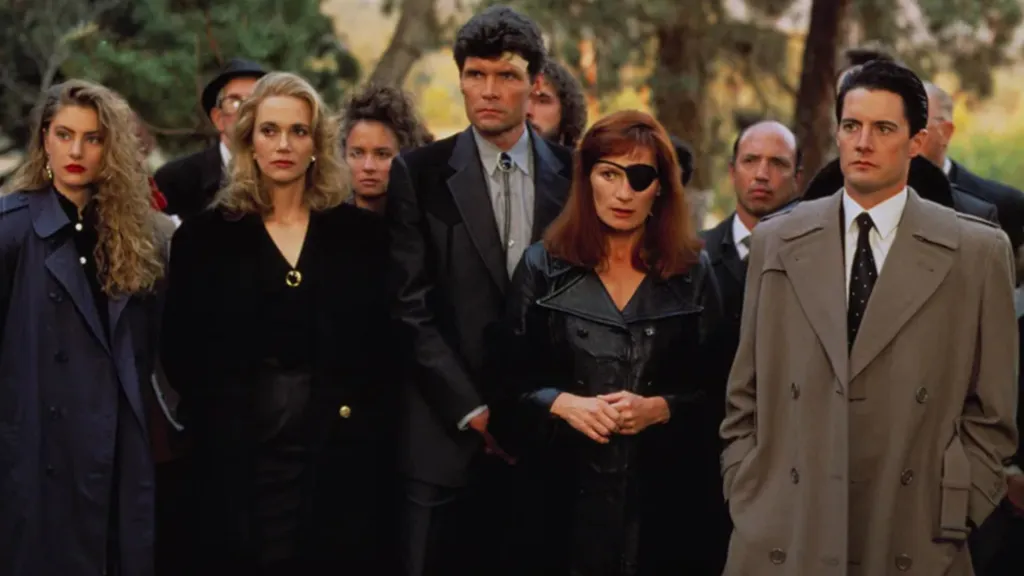
Twin Peaks made it clear that TV didn’t need a single formula or a straightforward story to create a powerful experience. Without it, it’s hard to imagine the space that exists today for high-level shows like Dark, The Leftovers, Mr. Robot, or even The X-Files. Its distinct visual style, offbeat pacing, and refusal to simplify its central mystery opened doors that are still being walked through. And it’s a really interesting show to rewatch, actually.
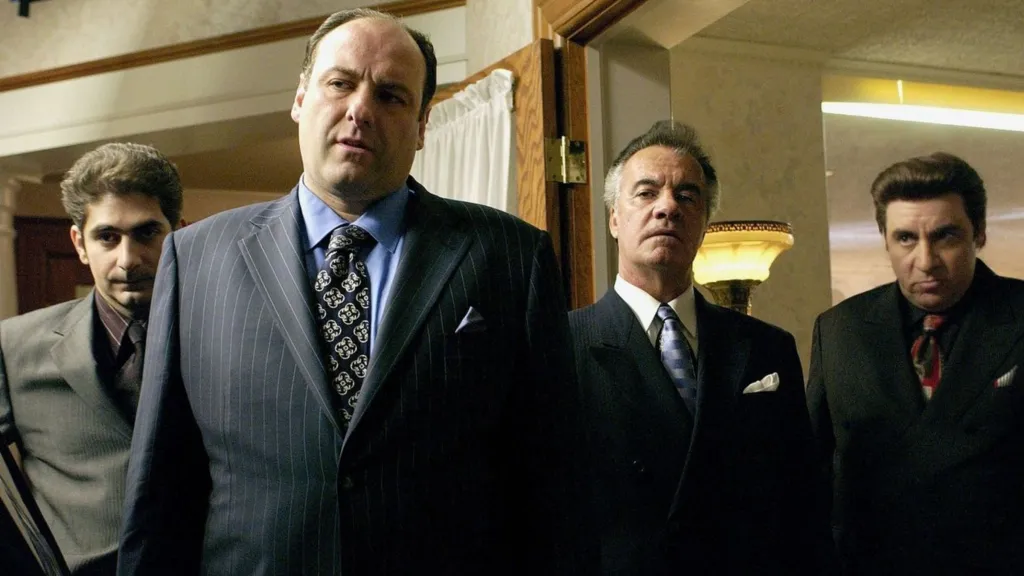
3) The Sopranos
image courtesy of hbo
The Sopranos kicked off the modern Golden Age of TV — that says a lot. And it did so by pushing character development to a level people hadn’t really seen before, while also prioritizing production quality across the board in a way that felt closer to prestige cinema. The show follows Tony Soprano, a mob boss who attends therapy as he juggles family life and organized crime. And that mix of violence, domestic routine, and deep psychological introspection was a game-changer.
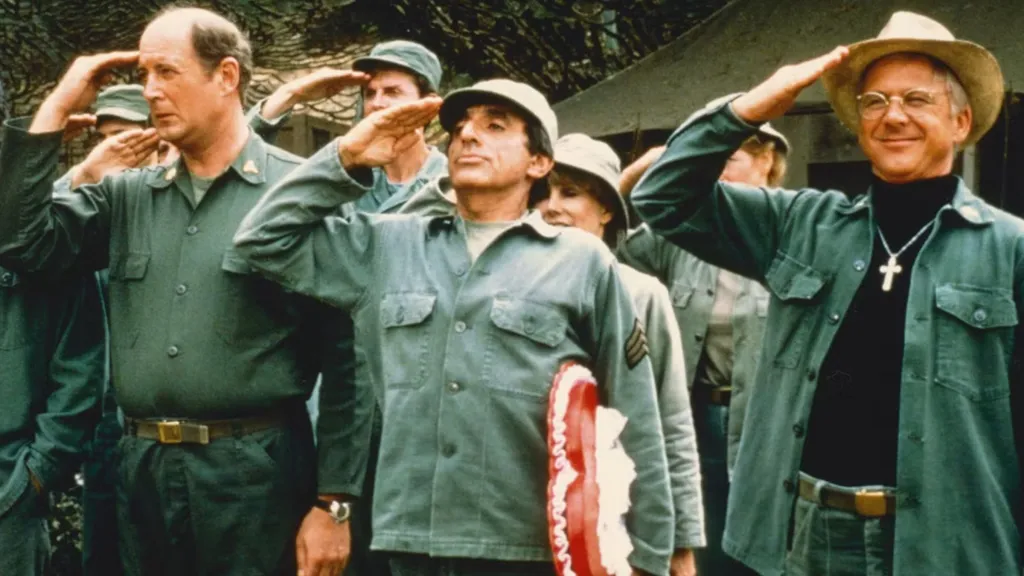
It looked like just another sitcom set during the Korean War, following doctors in a mobile surgical unit dealing with daily chaos. But M*A*S*H* was far more than that, because it managed to balance sharp, irreverent humor with direct (and often explicit) social commentary. Today, it’s easy to find shows that blend comedy and drama seamlessly. But imagine that in the 1970s, tackling war, trauma, and military bureaucracy with a script that didn’t soften its message. That level of thematic maturity pushed the boundaries of what a sitcom could address without losing its identity.
What M*A*S*H* ultimately did was expand the limits of a format traditionally seen as light entertainment. It was a risk (a major one), and it paid off so well that, to this day, few shows, including its own spin-offs, have matched its impact.
The Twilight Zone was a landmark, groundbreaking series because it didn’t just think big — it changed what audiences expected TV to be. It’s a whole legacy that lives on every time a story uses something out of the ordinary to reveal a real truth that makes you think.
What do you think of these shows? Leave a comment below and join the conversation now in the ComicBook Forum!