Videos by ComicBook.com
Throughout its run, there were several X-Files episodes that pulled things from true stories to help tell its stories, proving that, in some cases, reality is stranger than fiction.
10) “Duane Barry” – Episode 2, Episode 5 – Phineas Gage
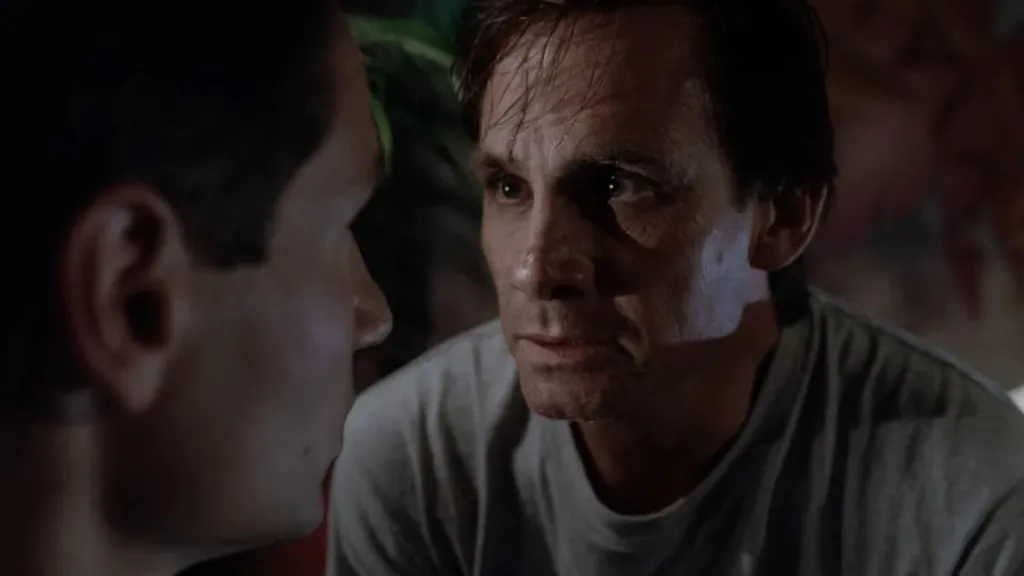
The X-Files Season 2 episode “Duane Barry” was based on the true story of Phineas Gage. Gage was a 19th-century railway worker who had a metal rod driven through his brain. He somehow survived, but it caused a considerable personality change. This episode took that idea and gave it a twist, as Phineas Gage was a former FBI agent who was shot in the head during a stakeout, and it turned him into a volatile, unstable man. While it turned into an alien abduction storyline, the initial injury, which caused side effects, was based on a true story.
9) “The Erlenmeyer Flask” – Season 1, Episode 24 – Gloria Ramirez
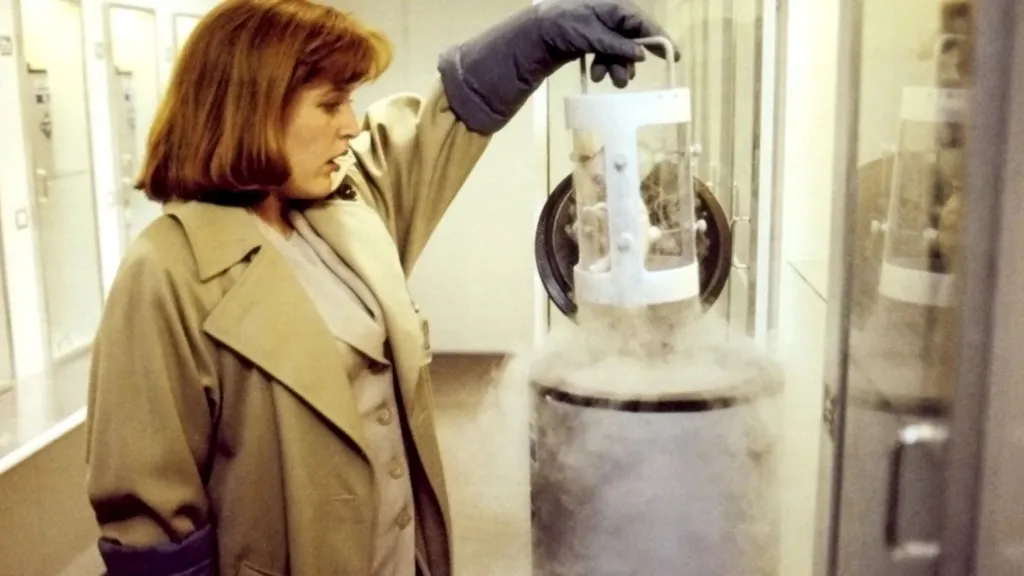
The first season episode of The X-Files titled “The Erlenmeyer Flask” was based on a bizarre true story that took place in Riverside, California, in 1994. In “The Erlenmeyer Flask,” the show explored the idea that scientists had collected alien DNA and were trying to mix it with human DNA. There was a scene in the episode where paramedics were working on Dr. Secare and ended up poisoned.
This was based on Gloria Ramirez, a woman who checked into an emergency room with late-stage cervical cancer. Soon, medical personnel ended up in the ICU themselves, and it turned out she had been secretly taking a medication without anyone knowing. When the paramedics gave her oxygen, it turned the medication in her body into poison, which became airborne and affected everyone around her.
8) “Home” – Season 4, Episode 2 – Ward brothers
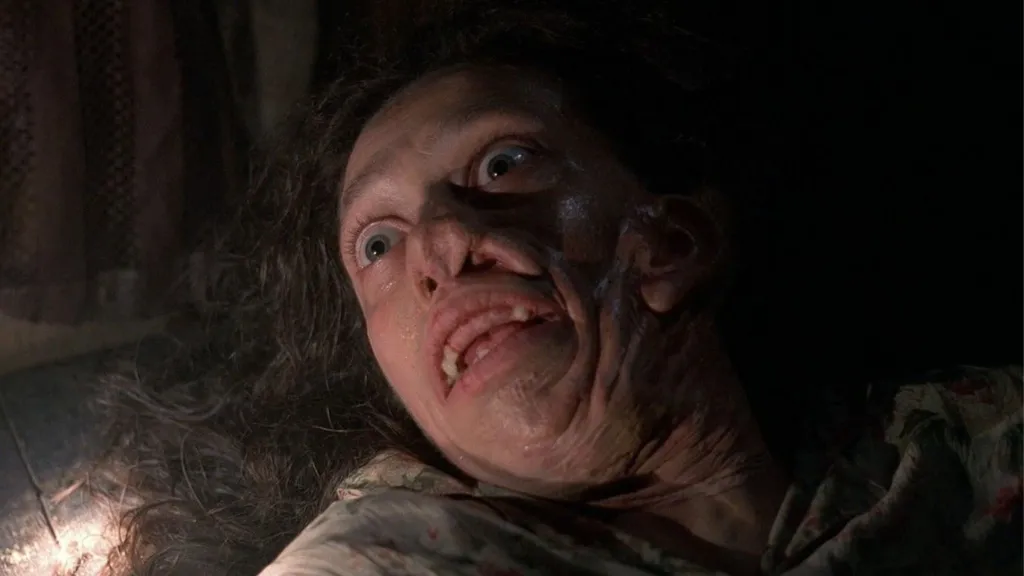
The fourth season episode of X-Files, “Home,” is one of the most controversial for the show. The twisted episode was so deranged that it was banned from reruns on Fox and was never shown again until it hit cable television on FX. It was also the first episode to have a warning for “graphic content.” Mulder and Scully investigated the death of a baby with severe birth defects. This led them to the Peacock family.
What Mulder and Scully discovered was a history of incest involving the Peacock’s mother. The true story here was based on the Ward brothers, whose story was told in a documentary called Brother’s Keeper, where the four elderly, reclusive brothers faced an investigation that one of the brothers was killing the others. The X-Files based the Peacock brothers on the Ward brothers.
7) “Paper Clip” – Season 3, Episode 2 – Operation Paperclip
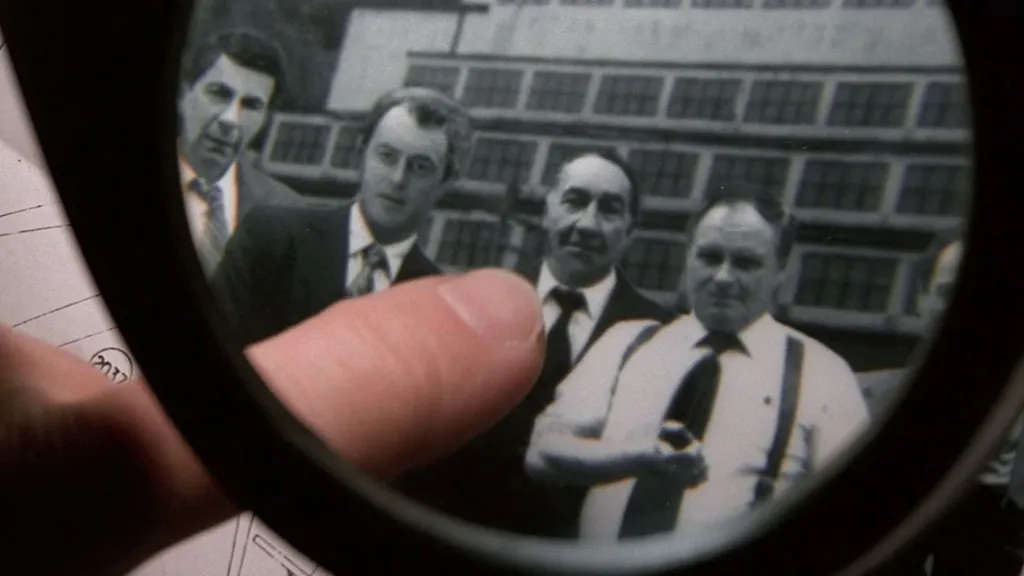
“Paper Clip” was the second episode of The X-Files Season 3. The name of the episode explains the exact true story, since Operation Paperclip was a historical secret operation the United States intelligence agencies enacted after World War II to recruit scientists, engineers, and technicians from nazi Germay to come work for the U.S. government.
In the X-Files episode, Mulder and Scully uncover some secret government records that indicate that a former Nazi scientist recruited by the U.S. government was responsible for creating a race of human-alien hybrids. This was a huge part of the Syndicate storyline, but it showed that the real-life Operation Paperclip was responsible for the secret plans.
6) “The Field Where I Died” – Season 4, Episode 5 – Waco
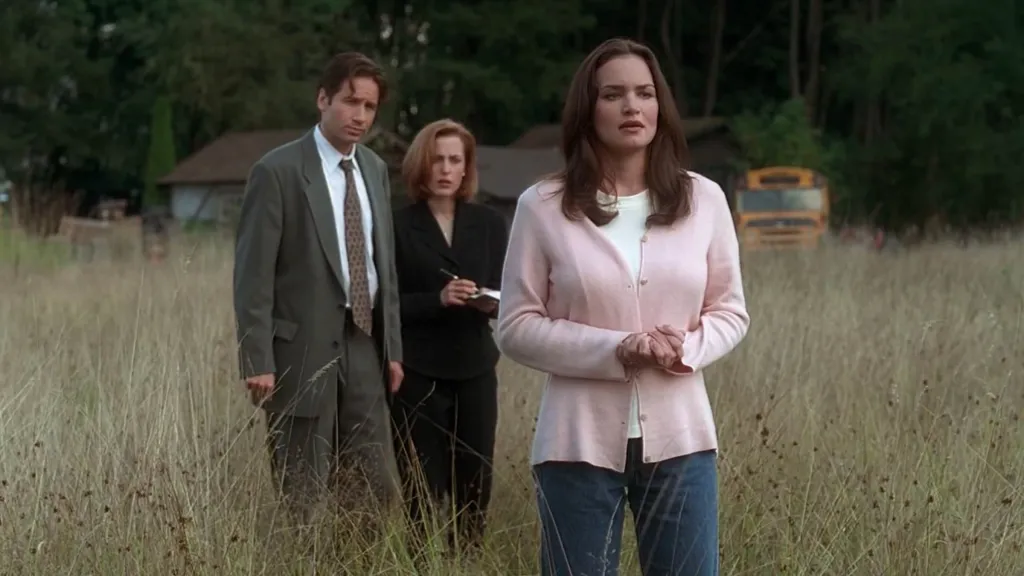
The fifth season of The X-Files was “The Field Where I Died,” which took strong inspiration from the massacre at the Waco siege with David Koresh and his cult. The true story saw the ATF agents attempt to serve a warrant, but the cult knew they were coming, leading to a fun battle that resulted in 10 deaths, including four ATF agents. This led to the FBI showing up for a standoff that ended with the death of 76 cult members, including between 20 and 28 children.
“The Field Where I Died” had Mulder search for an informant inside a cult compound. They soon learn that the cult is involved in some supernatural events involving reincarnation. The final scenes with the destruction of the compound and the countless deaths were based on the final moments at the Waco compound.