Videos by ComicBook.com
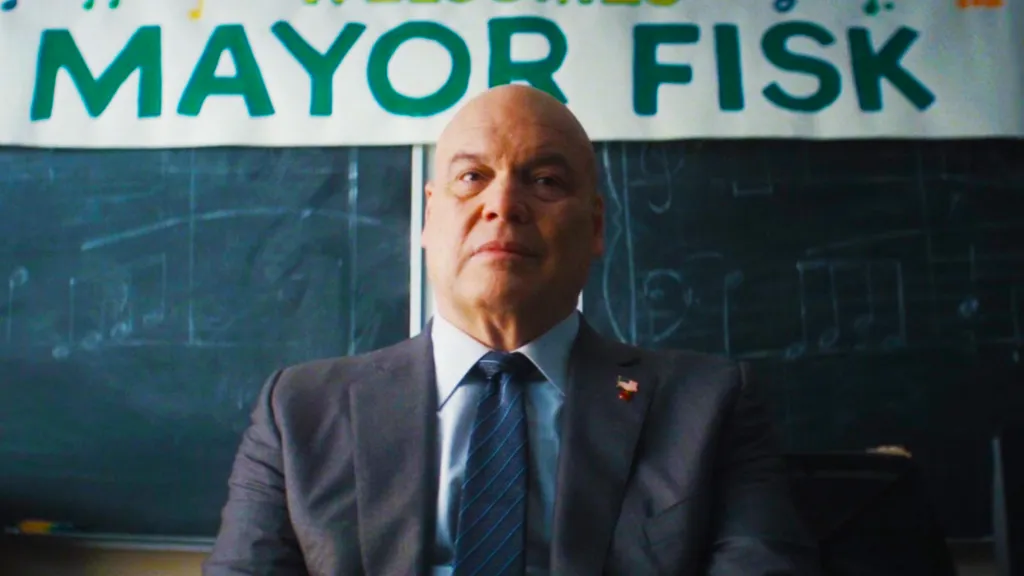
Luckily, Daredevil is now back in the MCU. Daredevil: Born Again has revived the iconic Netflix series, continuing many of the storylines that were featured in the original three Netflix seasons. Daredevil: Born Again season 2 is out now, showing that the MCU has fully committed to continuing the stories of Matt, Fisk, and the rest of the cast. Many new Daredevil fans may not know the ups and downs of the show’s cancellation and revival. So, here is that story.
Daredevil Was Cancelled Due To A Feud Between Netflix & Disney/Marvel
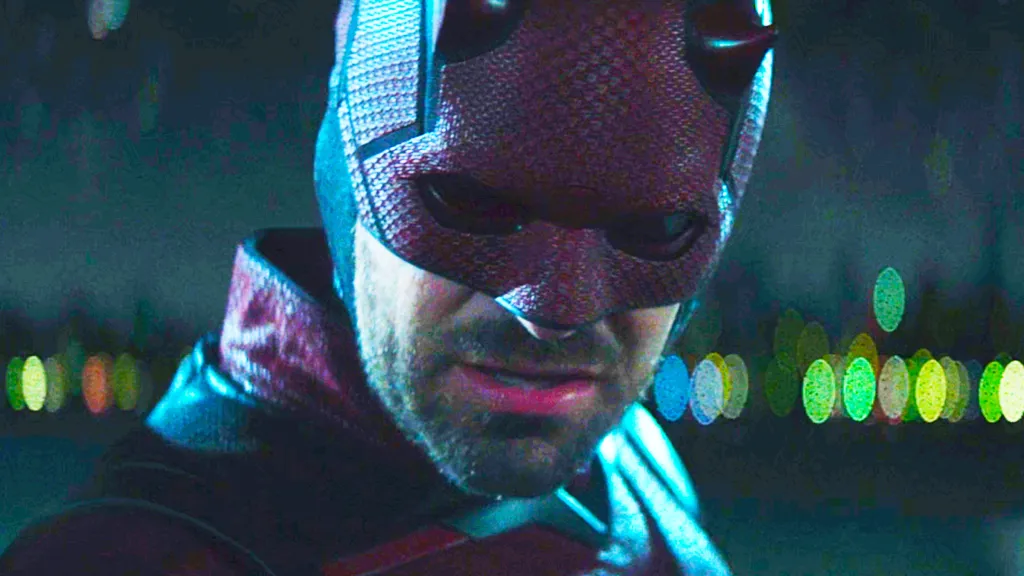
Netflix’s Daredevil was the first entry in the Defenders universe, which told an overarching story made up of shows like Jessica Jones, Luke Cage, and Iron Fist. Daredevil ran for three seasons, and while it was critically acclaimed throughout its entire run, it was tragically canceled on November 29, 2018. It, along with the rest of Netflix’s Marvel shows, was unexpectedly brought to a halt at around the same time. Fans were distraught, as they weren’t sure if they would ever see Charlie Cox’s Matt Murdock again.
Daredevil ending after season 3 wasn’t the original plan. The team behind the series had already planned out a fourth and fifth season. Season 4 would have featured Typhoid Mary, a character who was introduced in Iron Fist season 2. Meanwhile, season 5 would have seen the return of Benjamin Pointdexter as Bullseye, building off of season 3’s ending. Unfortunately, these stories were never told, with the life of Daredevil being cut short.
At the time, there were tons of rumors that Daredevil’s cancellation was Marvel’s decision. Some believed that Marvel wanted to make its own shows for Disney+, and that the company was ending its relationship with Netflix in order to move its programming to the Disney-owned streaming service. As it turns out, however, it was actually Netflix’s decision to cancel Daredevil.
There has never been an exact reason given as to why Netflix cancelled Daredevil, but some factors do explain it. Firstly, Netflix and Marvel had disagreements over the episode counts. Netflix wanted future seasons to switch to only having 10 episodes, while Marvel wanted to keep future seasons at 13 episodes (via Deadline). On top of that, Netflix knew that the titles would continue bringing new subscribers to the platform, no matter if they got new seasons or not. Since the initial Marvel deal was made, Netflix had begun investing more into its Originals, meaning that it didn’t have to rely on outside properties like those owned by Disney. All of these factors combined may have contributed to the end of Netflix’s Defenders universe.