Videos by ComicBook.com
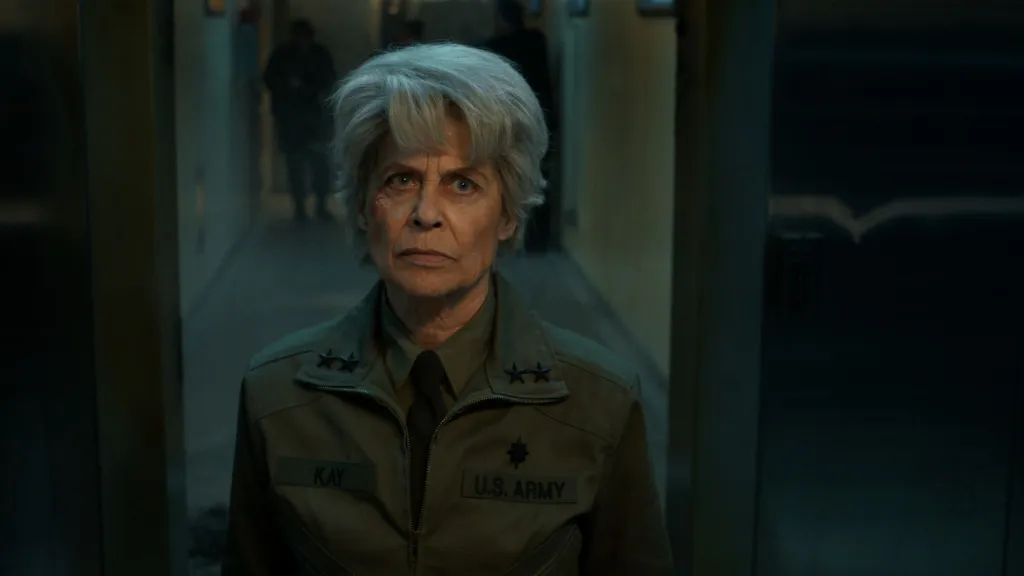
The Terminator legend Linda Hamilton joined the cast in Season 5 as Dr. Kay and was meant to be the show’s ultimate casting victory. However, it resulted in a character who felt fundamentally disconnected from the high-stakes emotional gravity of the series’ long-awaited endgame.
The Series Never Moved Past Dr. Brenner’s Shadow

Before Dr. Kay’s introduction, Stranger Things’ track record with 1980s legends was practically pristine, with each addition serving as a calculated tribute to the films that inspired the series’ DNA. Sean Astin made Bob Newby the ultimate “ordinary hero,” a nod to his Goonies roots that gave the show its most tragic heart. Paul Reiser expertly channelled the corporate ambiguity of Aliens into Dr. Sam Owens, creating a rare good guy in the middle of a lion’s den who balanced government bureaucracy with a genuine, paternal care for Eleven and the rest of the kids. Even smaller roles carried huge narrative weight; Cary Elwes was delightful as the sleazy Mayor Larry Kline, a punchable subversion of his Princess Bride charm, while Robert Englund brought a terrifying gravitas to Season 4 as Victor Creel. These actors weren’t just cameos; they were essential components of the world-building, making the 1980s feel lived-in, and the stakes feel remarkably personal.
While Linda Hamilton’s underwhelming debut is the most recent symptom of the show’s fatigue, the root of the problem stretches back to the departure of another ’80s star, Matthew Modine’s Dr. Martin Brenner. Brenner was the original sin of Hawkins (and Nevada before that), the “Papa” whose cold, clinical obsession with Eleven was the psychological foundation for everything that followed. The show’s struggle to find a human antagonist as fascinating as Brenner in his absence became glaringly obvious in the middle seasons. This is precisely why the Duffers felt compelled to bring him back in Season 4; the story simply lacked gravity without his specific brand of intellectual menace and the twisted, paternal bond he shared with Eleven. Without that personal connection, the human villains of the show feel like obstacles to overcome rather than characters.