Videos by ComicBook.com
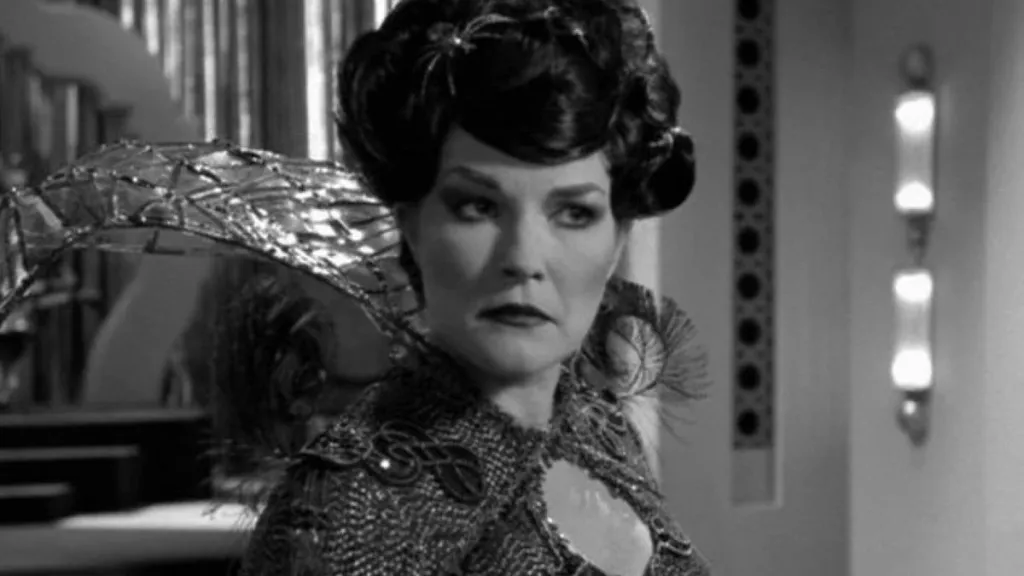
Let’s be honest, Janeway was born for that performance as Queen Arachnia. From William Shatner’s trademark Shakespearean acting style that started the trend, to Picard continuing the tradition with his passionate speeches, to Sisko’s words of wisdom. Every starship Captain has an element of the performer about them. Now, Star Trek: Starfleet Academy may have finally explained why.
Star Trek Confirms Why Every Captain Feels Larger Than Life

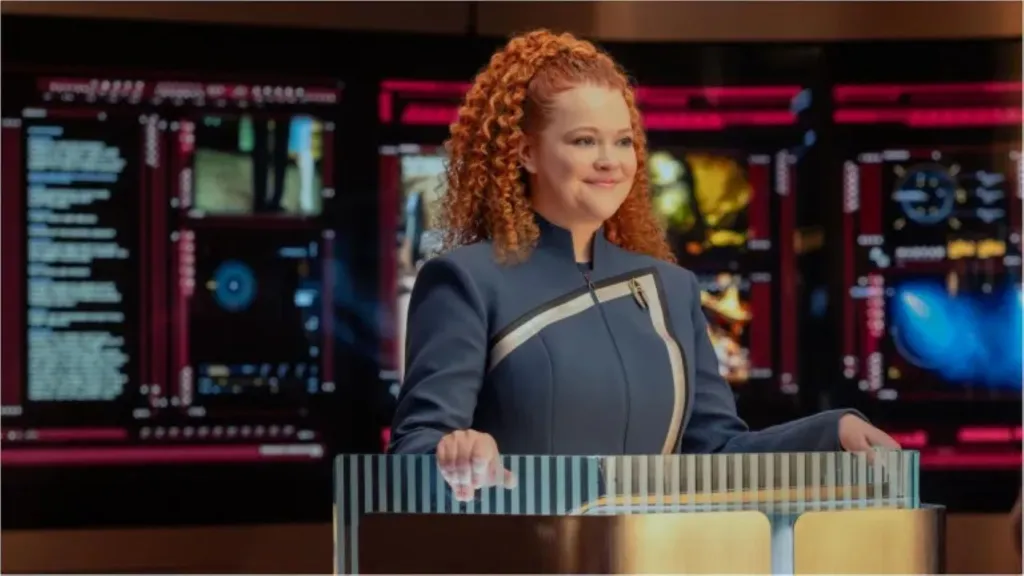
Episode 8 “The Life of the Stars”, features the triumphant return of Discovery’s Sylvia Tilly, (Mary Wiseman) who is called upon to help the struggling cadets process their emotions after the fall out of the attack on the Miyazaki under the guise of helping them be better Captains and future Starfleet leaders (since teenagers aren’t exactly renowned for opening up about their feelings). To help them process their shock and grief, she resorts to what, to the cadets, seems like an unorthodox method for helping them develop what it takes to become a Starfleet officer — a theatre class.
At first glance, it seems like a concept that might have been introduced more for a bit of well-placed comic relief (haven’t we all secretly been awaiting the day we got to see a Klingon attempt Opera?). After all, even from a writing perspective, it seems like an odd requirement for cadets to have to engage in an acting class. Learning the art of stagecraft hardly seems essential training for future starship commanders. However, it turns out there’s a method in her madness – as Tilly points out, theatre class is actually where cadets learn much of the art of statecraft. And suddenly, decades of Star Trek Captain characterization make a whole lot more sense.
Being able to play the part and put your best face forward, even in the most tense of negotiations, is crucial for diplomacy and navigating those sticky situations. You never know when your acting skills are going to get you out of a scrape. Think about all the times Kirk has talked his way out of trouble. Even Spock, a shining example of Vulcan logic and restraint, recognised the value of playing the part at times.
Are Captains All Just a bit… Weird?
Look across Starfleet history and the pattern becomes impossible to ignore. Captains don’t just command — they perform leadership. It truly is a case of fake it until you make it. While his emotions were very real and he certainly seemed to feel things deeply, Kirk delivered speeches like a space-age soap opera hero, often hamming it up to maximum intensity, or downplaying it as the situation demanded. There was clearly a big element of playing the crowd to turn the situation to his advantage.
Not to be outdone by his predecessor, Picard practically speaks like a seasoned lawyer and diplomat at times. Sisko shifted effortlessly between philosopher, prophet, and wartime commander — again often echoing elements of the theatrical. Janeway, meanwhile, often operates more like she’s the lead in her own film noir: a heroine with a heavy burden, yet standing strong and resolute in the face of adversity, and delivering defiant declarations, leading her troops through moments of crisis.
Whatever your personal thoughts may be on these captains (we’ve all got our favorites!), they all project a certain presence, authority, a calm sense of control. They command every room they enter just as much as they do starships. Tilly’s revelation suggests this isn’t a coincidence — it’s just been imbued in them by the curriculum.
Star Trek’s Archer Exception

Of course, there are some exceptions to the rule. Interestingly, if this particular version of Captains that we are used to is one that is forged predominantly through their training at the academy, then this also explains why Jonathan Archer feels slightly different.
Archer predates the fully realized Federation and its institutional traditions, so it makes sense that he wouldn’t fit into that same recognisable mould. He was intentionally written as more grounded — closer to a test pilot than a statesman. Without centuries of Starfleet doctrine (and apparently without theatre electives), Archer is more representative of natural leadership skills before the existence of Starfleet and their shaping of young officers into the leaders of tomorrow.
But importantly, the theatre class doesn’t manufacture a whole new personality for people (you still have to be suited to leadership). It simply refines and nurtures the qualities that already exist. Kirk’s passion, Picard’s intellect, Sisko’s intensity, and Janeway’s resolve were always there. Starfleet simply gave them the tools to utilize those traits constructively.