Videos by ComicBook.com
Not only was the criticism being levelled Starfleet Academy a little premature given the series wasn’t even out yet, but now that the first two episodes have finally dropped, one only has to look back at The Original Series to know that the franchises’ latest offering is certainly not betraying Star Trek’s roots — in fact, it’s arguably one of the purest expressions of Roddenberry’s original vision the franchise has delivered in years.
Gene Roddenberry’s Philosophy Was Never Neutral
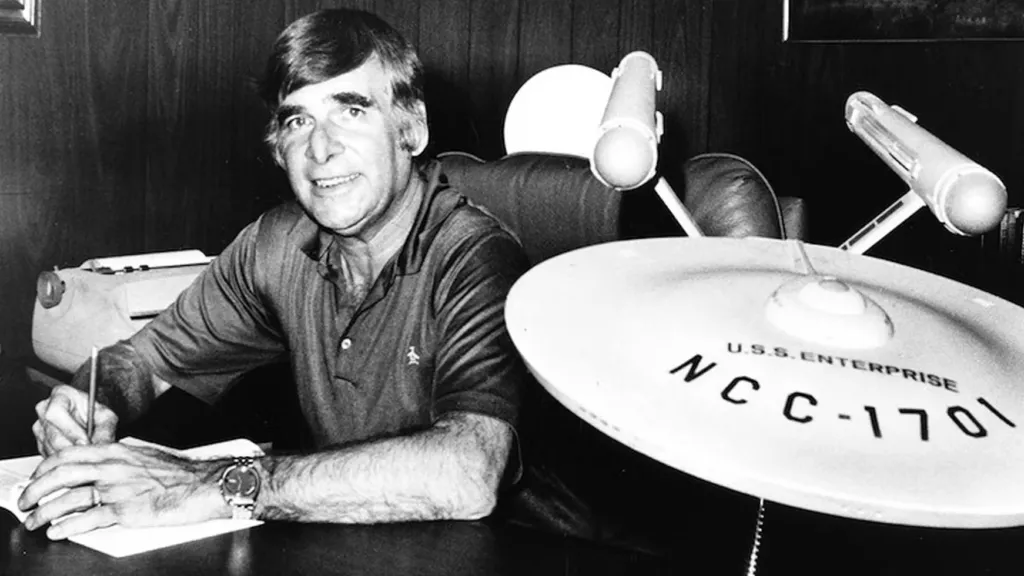
We all have our views on what makes a good Star Trek series, but it’s worth stepping back from the online bubble for a moment and remembering what Star Trek was originally created to be. From the moment it first aired, the franchise was anything subtle about its messaging. Roddenberry wasn’t interested in making another bland science-fiction adventure series. He was building a cutting-edge series that used a Utopian future to comment on our present.
As he famously put it, “Star Trek was an attempt to say that humanity will reach maturity and wisdom on the day that it begins not just to tolerate, but take a special delight in differences in ideas and differences in life forms.” That quote is practically a mission statement for Star Trek if there ever was one. Everything from the United Federation of Planets to the multi-species bridge crew of the USS Enterprise plays in to that idea of inclusivity and acceptance.
For the backdrop of 1960s American television, Star Trek was truly radical. It placed a Russian officer, a Japanese helmsman, and a Black woman as some of its leading roles at the height of the Cold War and the civil rights movement. Nichelle Nichols’ Uhura wasn’t just “representation” in the modern sense; she was a statement about who belonged in humanity’s future.
Roddenberry understood that progress required visibility. You don’t reach a future that “takes delight in differences” by hiding them. You reach it by putting those differences front and center, then showing how shared values and cooperation transform them into strengths.
Why Starfleet Academy Is a Natural Extension of That Vision

Seen through that lens, Starfleet Academy feels less of a departure from the norm and more like an inevitability of the point Star Trek was always going to get to given its vision. A series focused on the school that trains Starfleet officers was always going to be about diversity — of species, of backgrounds, philosophies, and lived experiences. A place of education, a place where ideas collide, where young people from wildly different cultures are forced to learn, fail, and grow together.
Starfleet has always been aspirational. It represents what humanity could become if it finally learnt to rise above prejudice and scarcity. A show that explores a student body with is actually some pretty inspired world-building consistent with a post-scarcity, multicultural future.
Roddenberry’s vision was never about pretending conflict and difference don’t exist. It was about how enlightened societies confront it. From Spock’s lifelong struggle between logic and emotion to Worf’s tension between Klingon tradition and Federation ideals, Star Trek has always used characters to generate drama and philosophical debate. Starfleet Academy simply shifts that focus to an earlier stage in the journey, when those conflicts are messier and less resolved, which is something many Trekkies are fascinated to see.