Videos by ComicBook.com
Filming on the new Carrie remake recently wrapped, and even before it premieres, it’s impossible not to draw comparisons to the 2013 version. Why? Because that one wasn’t exactly meaningful — it felt like a remake that existed just for the sake of existing. There was no clear reason to retell this story beyond modernizing the visuals and hiring a new cast. It wasn’t technically bad (far from it, no wonder it made $84 million worldwide), but everything about it felt surface-level. The protagonist was fine, but didn’t inspire genuine empathy. The tension that should’ve built throughout the film never did, and the climax (meant to be devastating) barely registered for most viewers. Flanagan knows simply recreating iconic moments won’t impress anyone; he needs to give people an actual reason to care about this new Carrie.
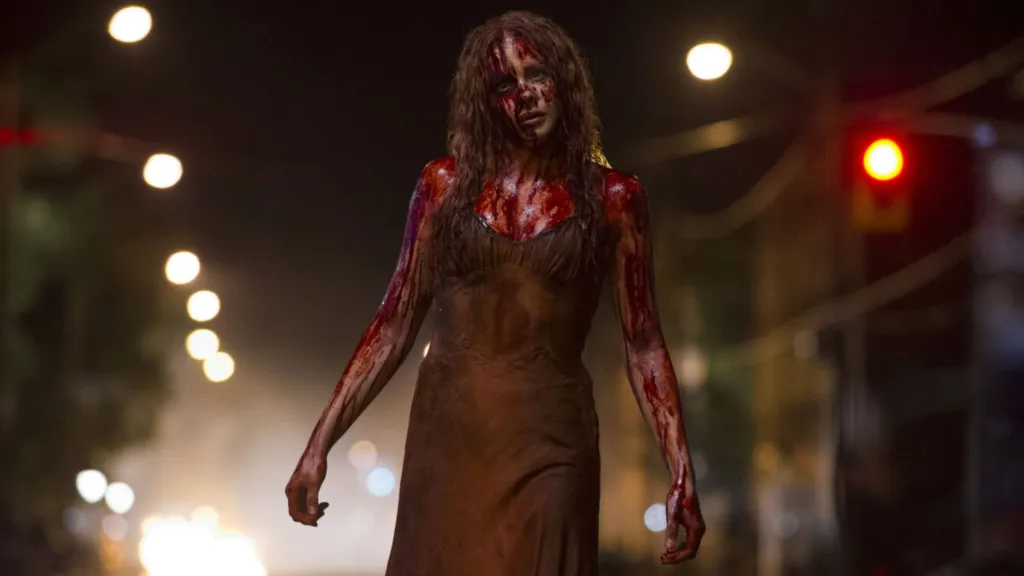
One big advantage he has is knowing how to build tension the smart way. Flanagan already proved in Doctor Sleep and Gerald’s Game, for example, that he knows how to create characters you actually feel — not just cheap jumpscares. His brand of horror is psychological but never loses its visual or dramatic punch, and that’s exactly what the 2013 film lacked. Back then, audiences needed to feel the protagonist’s isolation and oppression, understand the scale of bullying and the suffocating religious fanaticism at home, and still believe that her powers could erupt at any moment. That emotional connection — the very essence of King’s work — is what makes any remake worth watching.
Plus, the 2013 version tried but failed to make the story feel contemporary. Sure, it’s been over a decade since, and times have changed, but even back then, the digital age was in full swing. Bullying wasn’t just physical or verbal anymore — it had gone online, becoming viral and cruel in ways older films couldn’t capture. If you’re going to remake a story like this, you can’t reinvent everything, but you do have to update it enough to reflect the world audiences live in today. That’s where Flanagan can make a real difference: by showing how the protagonist faces exclusion not just at school but on social media, how every cruel comment piles on until she’s ready to explode. That layer only exists now, and if he ignores it, he risks making the same mistake the last version did — offering more of the same.