But the story didn’t end that badly, because soon after, the perfect replacement appeared — this time with an obvious advantage: prestige-level budget, creative freedom, and a network that theoretically knew how to handle this kind of project. It was as if they had looked at what CBS was letting slip and thought to do it the right way this time. And for a few years, this new project really nailed it, generating tons of buzz. But it didn’t take long before it became a well-known example of how a show can have everything going for it and still get lost trying to be smarter than necessary. How so? Let’s break it down.
Why Westworld Was the Perfect Replacement for Person of Interest
image courtesy of cbs/hbo
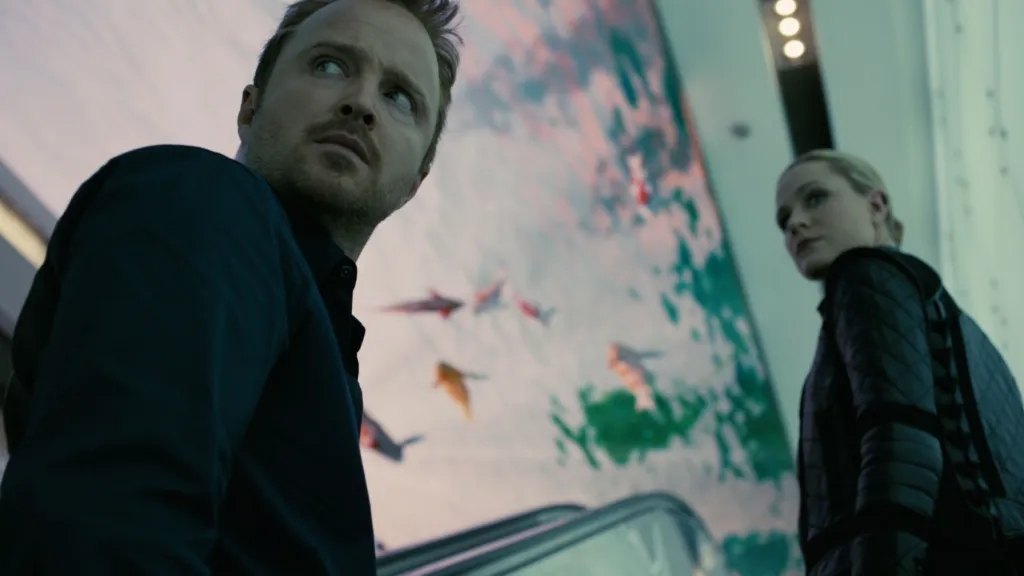
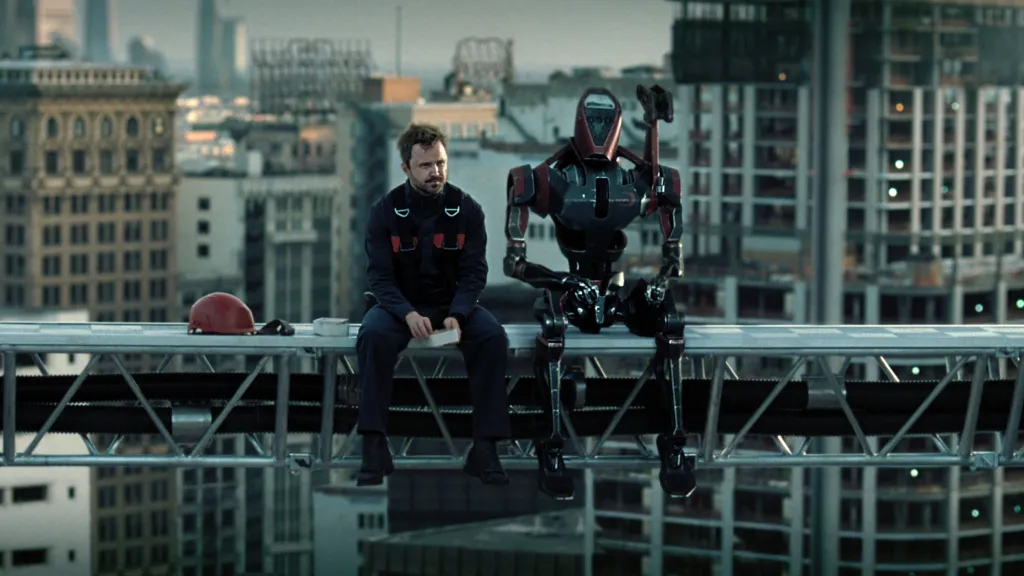
Anyone familiar with HBO shows knows the production quality is next-level. Westworldwas no different when it premiered in 2016, created by Jonathan Nolan (the same mind behind Person of Interest) and Lisa Joy. The concept was perfect for its time, especially for becoming an internet obsession: based on the 1973 film of the same name, the story revolves around a futuristic theme park where rich guests pay to live out Wild West fantasies surrounded by ultra-realistic androids programmed to obey, suffer, and “reset” their stories every day. But some of these androids start showing signs of consciousness, memories, and rebellion. From there, the show turns into a game about free will, manipulation, and identity — basically, a brilliant sci-fi premise that grabbed attention. And for a while, that’s exactly what it was.
Westworld didn’t appear out of nowhere, though. From the start, it was seen as the logical evolution of an idea Nolan had explored with far more consistency on CBS. That’s where the inevitable comparison comes in and what makes it the perfect replacement. Person of Interest premiered in 2011, looking like a standard crime show: a mysterious billionaire, Harold Finch, creates an AI that can predict crimes by analyzing data and cameras, and recruits an ex-agent to prevent tragedies before they happen. But the show was building a universe where the real threat wasn’t a killer or terrorist — it was the simple fact that a machine was watching everything.
The brilliance of Person of Interest is that it had patience and clarity. Each season added pieces without feeling like they were making it up as they went. It started as a story about crime prevention and ended as a Cold War–style battle between AIs, digital espionage, and governments weaponizing technology. And it nailed character development as well: Finch wasn’t just the tech genius, Reese wasn’t just the tough guy, and Root and Shaw weren’t just “cool additions.” Everyone had wounds, contradictions, and tough choices. So even as the story grew, it remained human.
image courtesy of hbo
CBS, of course, never realized what it had. Even with enough time to give it a proper ending, the show was pushed off the schedule. The irony? The themes were only getting more relevant. Few series have aged as well. That’s when Westworld enters with the perfect promise: the same AI obsession, only now without the restrictions of network TV.
HBO could turn it into the definitive sci-fi epic. And the first season really delivered on that ambition: high-concept storytelling, a strong atmosphere, and an incredible cast. For a while, it was practically being compared to Game of Thrones in terms of high expectations and cultural buzz. It was entertainment and a puzzle at the same time, with fans theorizing, debating, and obsessing. Compare that phase to Person of Interest, and you can see the same DNA: technological paranoia, fear of unseen control, and the question of what it means to be human. And yes, that still hits hard today.
But Westworld made a choice its “predecessor” never did: it started prioritizing the mystery over the story. And that’s a serious problem, because mystery is great — until it becomes the only fuel.
Westworld Was a Masterpiece Until It Unexpectedly Wasn’t
image courtesy of hbo
By Season 2, the show was showing clear signs of this problem. Instead of developing the plot more directly, it seemed fixated with being confusing, as if clarity was a weakness. The result? Timelines all over the place and plot twists that existed more to shock than to build anything meaningful. This happens sometimes, but for a show that had been growing its audience, it was a shame. And when the story left the park and expanded into the wider world, it completely lost its edge. The park was the hook: a closed, brutal environment where violence had rules, repetition made sense, and the hosts literally lived in loops. Outside of it, Westworld started feeling like any other dystopian sci-fi about corporations, futuristic cities, and social control.
Yes, the show was still beautiful, still had good ideas, and still had strong scenes. But it wasn’t unique anymore. It felt like it traded identity for scale — and that’s painful to watch. What’s even more frustrating is that it had all the tools to do what Person of Interest did naturally: use technology as a threat, but never forget the human impact. But Westworld got colder, and characters started being driven by plot needs rather than emotional arcs. Deaths, returns, and twists became routine. And the more the show tried to reinvent itself, the more it lost the foundation that hooked viewers in the first place.
image courtesy of hbo
Then there’s complexity, which is something that needs careful handling on TV. Person of Interest made this element work because the story demanded it. Westworld, however, started treating complexity as a strategy, trapped in a mindset of always needing to surprise the audience, as if the main goal was to outsmart them. But that wears people out fast; after all, nobody stays invested for four seasons just to be tricked repeatedly. Viewers want a journey that makes sense, payoff, emotional progression, and the feeling that the story knows what it’s doing.
Eventually, all this led to a sharp drop in ratings. Combine that with a sky-high budget and HBO’s shifting priorities, and Westworld was canceled. And it’s a shame it ended up with a fate opposite to Person of Interest: one started simple and grew confident and powerful; the other spent too much energy being a maze and too little telling a controlled story. What makes a show really great isn’t being too big, but knowing exactly what story it’s telling. Person of Interest knew. Westworld, after a while, seemed to be figuring that out along with the audience. Most of the time, less is more.
Were you a fan of Westworld? Leave a comment below and join the conversation now in the ComicBook Forum!