Videos by ComicBook.com
Groundbreaking characters like this that shaped a generation of fans and, in doing so, changed attitudes deserve a proper send-off, and sixty years later, Star Trek has quietly confirmed the long-term fate of one of its most significant original characters — the one and only Lieutenant Nyota Uhura. Thanks to Starfleet Academy, fans now know exactly how our favourite Communications Officer was ultimately remembered. It’s a small revelation with enormous symbolic weight.
Why Uhura Mattered From the Start

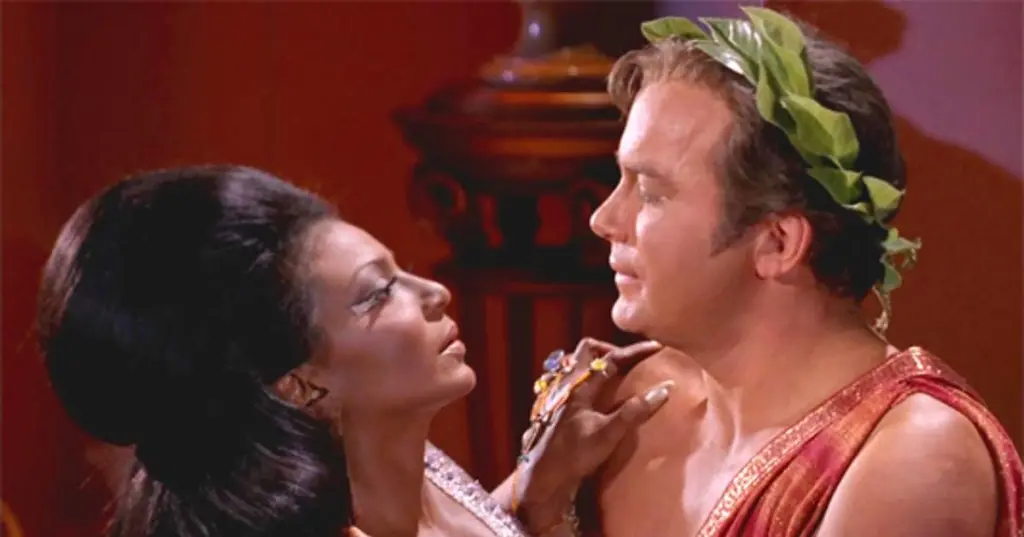
According to details glimpsed on the Academy’s ‘Memorial Wall’ in episode one of Starfleet Academy, Uhura didn’t just serve with distinction during her time on the Enterprise — she eventually graduated from her roles as Comms officer and rose to the rank of captain. Episode 3 has also revealed that the new Starfleet Academy campus actually includes an ‘Uhura Pavilion’, cementing her place in history both in universe as one of the institution’s foundational legends but also as one of the franchises most significant characters. It’s a meaningful piece of closure that feels both overdue and deeply earned because it’s as much a tribute to the late Nichelle Nichols as it is her beloved character.
There have been several phenomenal actors who have stepped up to portray the iconic character in modern Trek series, Zoe Saldana and Celia Rose Gooding did a fantastic job of filling some admittedly big boots in the JJ Abrams films and Strange New Worlds, respectively. But Nichelle Nichols’ Uhura was something different the moment she appeared on screen. It’s easy to forget that Star Trek was airing at the height of the Civil Rights movement in America, when Black women were rarely given meaningful roles on television — let alone in science fiction. But there, Uhura stood proudly on the bridge of the USS Enterprise as a skilled communications officer, fluent in multiple languages and a core member of the regular cast, not just a background extra or a stereotype. Uhura’s presence in the show was bound to send a real-world message.
Some newer Trekkies may be surprised to learn that Star Trek was reportedly the only show civil rights activist Martin Luther King would let his children stay up to watch. He arranged to meet Nichelle, and when she admitted she planned to exit the show, famously encouraged her to stick it out, reminding her of the importance of the representation she was bringing to thousands of viewers. She was portraying a future where Black women were seen, respected, and integral to humanity’s progress. That impact extended far beyond Star Trek, influencing generations of viewers who finally saw themselves represented, capable of becoming astronauts and officers, and just as worthy of seeing the stars. For decades, however, Star Trek never fully addressed where Uhura’s career ultimately led her.