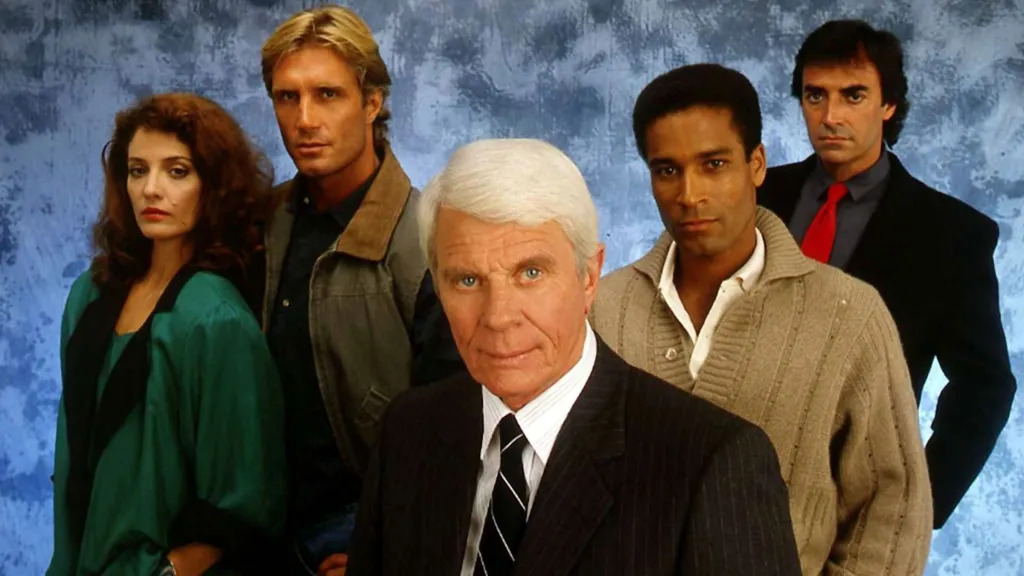
The foundation for Mission: Impossible‘s multi-billion-dollar empire was laid by Bruce Geller, who created the original television series for CBS in 1966. Running for seven seasons until 1973, the show changed the procedural format by focusing on the intricate mechanics of the heist rather than the personalities of the agents. Led by the stoic Jim Phelps (Peter Graves), the Impossible Missions Force functioned as a well-oiled machine, utilizing masks, high-tech gadgetry, and elaborate psychological manipulation to topple international dictators and criminal syndicates. This Cold War-era aesthetic, punctuated by Lalo Schifrin’s iconic 5/4 time signature theme and the self-destructing briefing tapes, cemented the brand’s place in pop culture. The legacy of the original series eventually spurred a revival attempt that has largely faded from the collective memory. This 1988 sequel, which served as a direct continuation of the 1960s lore, struggled to recapture the cultural zeitgeist and officially concluded its two-season run 36 years ago on February 24, 1990.
Is the Mission: Impossible 1988 Reboot Worth Watching?
Image courtesy of ABC
The 1988 iteration of Mission: Impossible represents a fascinating attempt to modernize a classic formula for a new generation. Developed during a period of industrial upheaval in Hollywood, the production was significantly influenced by the 1988 Writers Guild of America strike, which forced the studio to look toward international filming locations and recycled scripts. By moving the production to Australia and utilizing updated versions of screenplays from the 1960s, the revival managed to maintain a sense of familiarity while offering a more contemporary visual palette. In addition, Graves returned to lead the team, providing a necessary bridge between the old and new eras of the IMF.
Despite these promising elements, the 1988 reboot often felt like a sterilized version of its predecessor. While the original series thrived on a noir-inspired atmosphere, the revival leaned heavily into the bright aesthetic of late-1980s television. On top of that, the technological advancements showcased in the show, such as digital voice modulation and advanced computer hacking, frequently bordered on science fiction, stripping away the grounded tension that made the 1966 version so compelling. Furthermore, the absence of other original cast members, such as Martin Landau or Barbara Bain, created a void that the new recruits struggled to fill. Although the series provided a serviceable update for fans of the “plan-of-the-week” structure, it lacked the creative spark required to survive in an increasingly competitive television market.
The Mission: Impossible Movies Are the Definitive Take on the Brand
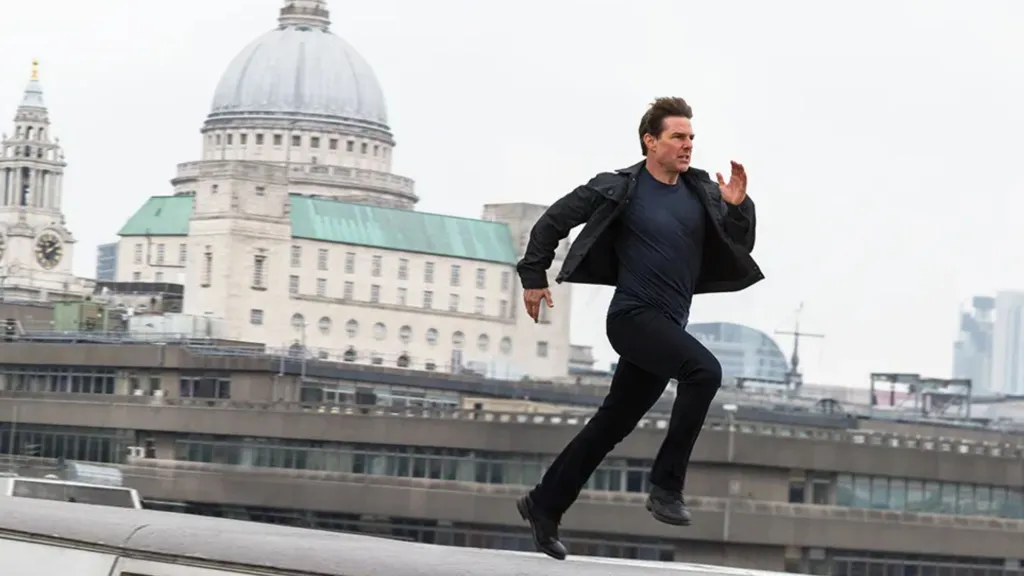
While the television versions of the property established the core iconography, the Mission: Impossible films represent the most sophisticated and effective execution of the concept. The transition to cinema allowed the franchise to abandon the repetitive episodic constraints of television in favor of a director-driven approach that redefined the action genre. Beginning with the 1996 thriller directed by Brian De Palma, the film series took the bold step of deconstructing the original show’s ensemble dynamic to center the narrative on a single protagonist. This shift was initially controversial—particularly the decision to turn the beloved Jim Phelps into a villain—but it provided the necessary emotional stakes to sustain a feature-length runtime. By focusing on Ethan Hunt as a rogue agent forced to navigate a world of shifting alliances, the movies introduced a sense of personal vulnerability that the television shows never fully explored.
The true strength of the cinematic era of Mission: Impossible lies in its ability to adapt its tone to fit the vision of its various creators. From the stylized choreography of John Woo to the intricate plotting of Christopher McQuarrie, the movies have transformed Mission: Impossible into a showcase for elite filmmaking. Unlike the 1988 reboot, which felt tethered to the past, the films also utilized the basic premise of “impossible missions” as a blank canvas for groundbreaking stunt work and complex set pieces. By prioritizing the “impossible” aspect of the title over the procedural “mission,” the films have elevated the brand into a rare category of blockbuster that values craftsmanship as much as commercial appeal. This commitment to cinematic excellence has ensured that the big-screen interpretation remains the definitive version of the franchise.
The entire Mission: Impossible film collection is currently available to stream on Paramount+, while the 1988 television revival can be found on various digital storefronts.
Do you think the Mission: Impossible movies were right to move away from the ensemble-focused storytelling of the original TV series? Leave a comment below and join the conversation now in the ComicBook Forum!