Videos by ComicBook.com
Over three decades later, Deep Space Nine is one of the most acclaimed series in the Star Trek franchise, with a critics’ score of 91% on Rotten Tomatoes and an audience score of 89%. But more than the acclaim that Deep Space Nine brought to Star Trek, the series also broke so many of the so-called “rules” of the franchise up to that point, in the best possible way.
Deep Space Nine Achieved So many Milestone Firsts For Star Trek
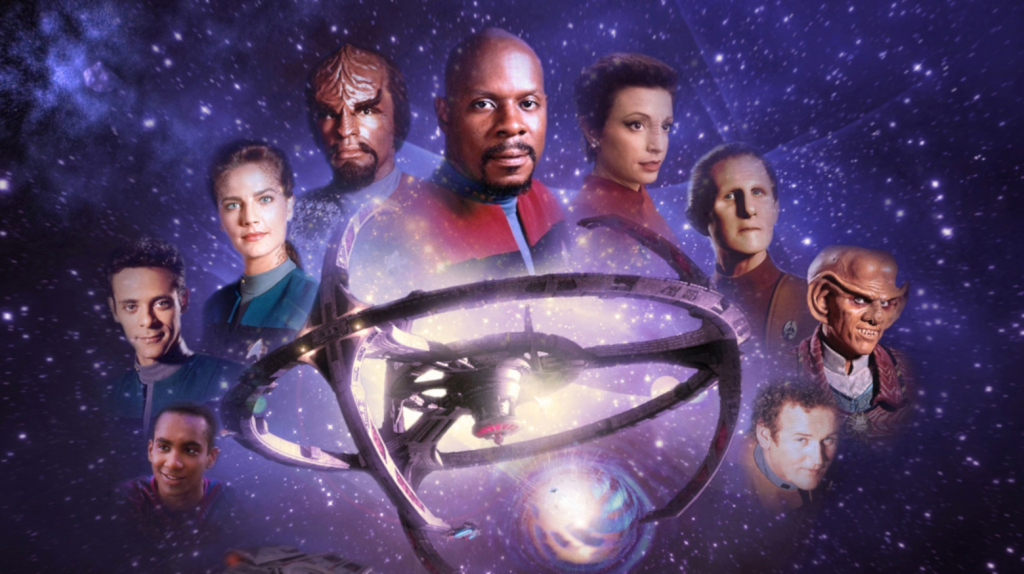
Star Trek: Deep Space Nine was a show that broke the mold of Star Trek (up to that point). The series was the first show in the franchise to take the primary setting off of a Federation starship and relocate it to a space station, opening a new lane of storytelling in the Star Trek universe via the crossroads of different species and organizations that passed through that junction. It allowed Star Trek to focus on some of the deeper subtext about race and culture and politics that have always run through the series, just not as prominently as in DS9.
Deep Space Nine was also the first Star Trek series to air concurrently with another show (Star Trek: The Next Generation). The two series would have several crossover episodes and characters, including Jean-Luc Picard (Patrick Stewart) appearing in the pilot and later episodes, while TNG characters Chief Miles O’Brien (Colm Meaney) and Lt. Worf (Michael Dorn) both crossed over from that series to become regulars on DS9. In the 1990s, before the franchise universes like the Marvel Cinematic Universe, Star Trek was achieving a level of shared universe synergy that thrilled fans. By the time TNG ended in 1994, DS9 was firmly established and beloved enough to take the reins in one of the smoothest transitions Star Trek has ever pulled off between shows.