Then there are the many TV movies and miniseries that SyFy has produced, many of which have earned their own cult status. Case in point: It’s been over twenty years since SyFy aired one of its most ambitious sci-fi adaptations ever, and managed to do it well enough for it to still be considered one of the franchise’s better releases. And since trends in entertainment tend to be circular, fans will get a new chance to experience the story with one of the biggest blockbuster films that’s releasing in 2026.
Dune‘s Wildest Story Was Adapted Into A Solid 2000s Miniseries
Jessica Brooks & James McAvoy in Frank Herbert’s Children of Dune / SyFy
If you’ve never experienced Frank Herbert’s Children of Dune (2003), you should take the opportunity. The series adapts author Frank Herbert’s Dune sequel novels, Dune: Messiah (1969) and Children of Dune (1976). The two books follow the bloodline of Paul Atreides, after he has realized his destiny as the “Kwisatz Haderach,” which the Bene Gesserit worked for 10,000 years to engineer. Paul has turned the Fremen people of Planet Arrakis into his galactic army of jihadist fanatics. The remaining royals loyal to the late Emperor Shaddam IV, the leaders of the Ben Gesserit, and the heads of the other space-navigating and computing-brain guilds all unite in a plot to overthrow Paul, while Fremen traditionalists scheme to depose Paul and stop his terraforming campaign, which threatens to end their entire desert way of life.
Meanwhile, inside his own house, Paul’s Fremen lover Chani and his wife, Princess Irulan, have tensions to settle, while Paul’s sister Alia has her own ruthless ways of protecting House Atriedes, all of which ends in Paul’s twin children being born into tragedy. Regardless, Paul’s near-omnipotent visions of the future allow him to choose the path that secures his family’s greater legacy – no matter the bloody sacrifices made along the way.
In Children of Dune, Paul’s children, Leto II and Chanima, are coming into adulthood under the protection of Princess Irulan and their Aunt Alia. Lady Jessica finally returns to Arrakis and sees her family in turmoil, with Alia becoming more and more unstable due to her connections to every one of her ancestors. As the Atredies investigate the rise of a mysterious desert messiah (who may be an exiled Paul, still alive), Alia is possessed by the malevolent spirit of her grandfather, Baron Vladimir Harkonnen, who uses her as his vessel of revenge against House Atredies. Irulan’s sister, Wensicia, also wants revenge for the Corrino family and tries to kill Leto II and Chanima. The children escape, and like their father, they access the power of the desert (Leto II) and achieve strategic marriage with the Corrinos (Ghanima), which allows them to defeat their many enemies and secure the Atredies’ legacy.
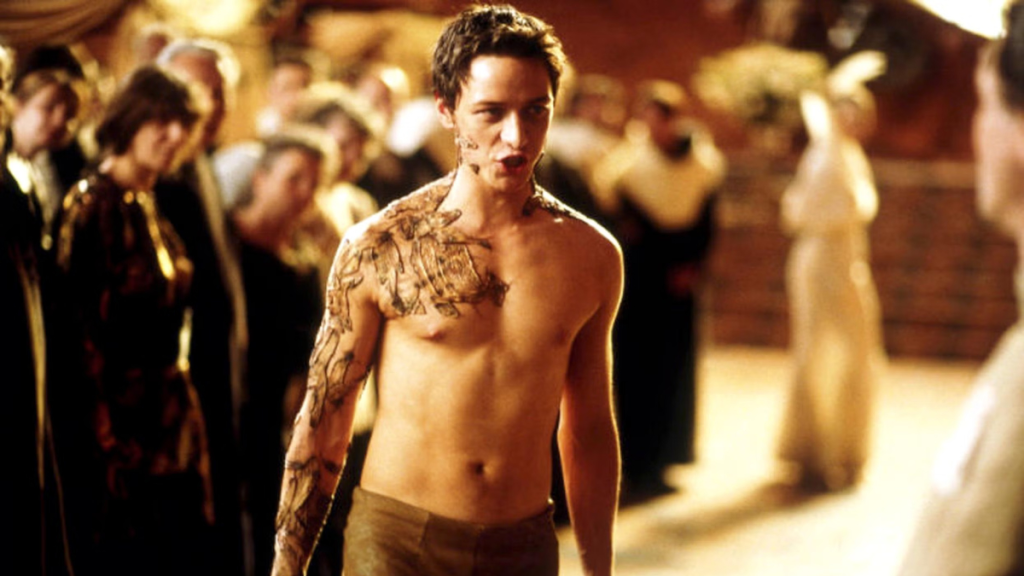
Children of Dune also marked a point where some of Herbert’s wilder sci-fi concepts started to take hold, such as Leto II merging with sandworms to gain superhuman abilities (see below), or Paul’s strange return as the prophetic “Preacher.” The prophetic visions and bloodline spirit bonds that were only casually explored in the first book become much deeper and more prevelant in the second and third books, which is part of the reason why they have so rarely been adapted for the screen.
James McAvoy as Leto II ATredies in Children of Dune / SyFy
John Harrison had already written and directed SyFy’s 2000 miniseries adaptation of the first Dune novel, winning two Emmys for his effort. It was popular enough to spark a director’s cut version that was released in 2002, and is still looked at as the most faithful adaptation of the book, more so than David Lynch’s 1984 film, and Denis Villeneuve’s two-part film series (2021, 2024). SyFy greenlighting a sequel miniseries was a no-brainer, and the results were similar: Frank Herbert’s Children of Dune earned more Emmy nominations (four compared to three for the first miniseries), and won one for Outstanding Special Visual Effects.
The cast of the miniseries is stacked, with Alec Newman returning from the first miniseries as Paul Atreides, while X-Men movie star James McAvoy played Leto II. Other famous faces include Alice Krige (Stephen King’s Sleepwalkers, Star Trek: First Contact) as Lady Jessica, Susan Sarandon as Princess Wensicia, Ian McNeice (HBO’s Rome) as Baron Harkonnen, P.H. Moriarty (Lock, Stock and Two Smoking Barrels) as Gurney Halleck, and others.
Dune Is Finally Going To Tell (Some of) This Story On the Big Screen
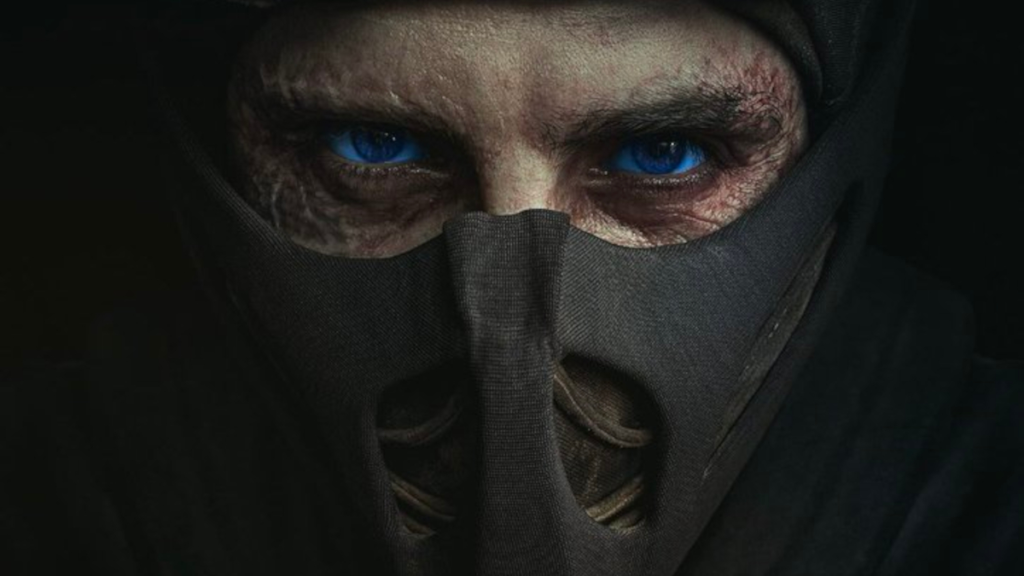
Timothée Chalamet in Dune: Part III / Warner Bros. Pictures
Dune (2021) and Dune: Part Two director Denis Villeneuve is going to be releasing the third film in his series, Dune: Part Three, later this year. Unlike the miniseries, however, Villenueve will be doing a 1-to-1 adaptation of the third book, Dune: Mesiah for his third film.
Villeneuve’s version of Dune has become a multi-Oscar-winning franchise that has generated more than a billion dollars at the box office. That said, the director’s vision of Herbert’s work has been carefully crafted to highlight a lot of socio-political and relgious themes of the work, while only dabbling in the more outlandish sci-fi and metaphysical concepts in the story (space “navigation,” prescient vision, etc.). That selective adaptation gets more difficult the further you go into Herbert’s book series; it’s why Villeneuve and Paul Atriedes actor Timothée Chalamet have said this will be their final Dune film, ending the trilogy with the end of Paul’s (main) arc in the series.
That means that Dune 3 will focus on the events of Dune: Messiah, which focuses entirely on the Karmic bill that Paul Atriedes must pay for becoming the Lisan al-Gaib and waging war against the galaxy. The film is set to hit theaters an IMAX on December 18th.