Videos by ComicBook.com
Did New Line Try To Downplay the Fact That a History of Violence Is Based on a Graphic Novel?
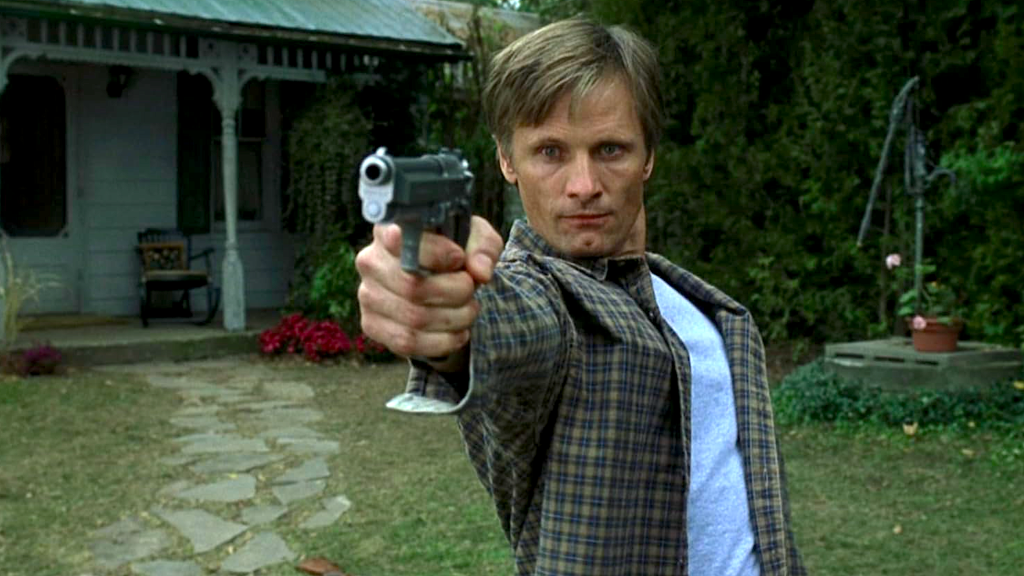
When stopping to consider the film’s subject matter, it’s not a total shock that New Line didn’t lean more into the comic book connection when A History of Violence was released in 2005. The lead character, Mortensen’s Tom Stall, is more of an antihero than a superhero and the picture eschews flashy visuals and superpowers in favor of telling a far more grounded story. If the marketing team at New Line had leaned on the picture’s origin as a graphic novel, some viewers may have come away feeling let down. Not let down by the quality of the film, mind you, but let down by the lack of more comic book conventions. Cronenberg serves up plenty of stylized violence and balls-to-the-wall action, but the film is far removed from what most think of when we think of comic book cinema.
Although the film (and the graphic novel on which it is based) lacks many of the more conventional comic book tropes, the subject matter is plenty compelling all on its own. Stripping all that back allows the feature to exist as a poignant meditation on the inherently violent nature of humanity, also taking care to question if we can ever truly outrun our violent impulses, or if they are built into our DNA.
A Picture Rife With Profound Social Commentary
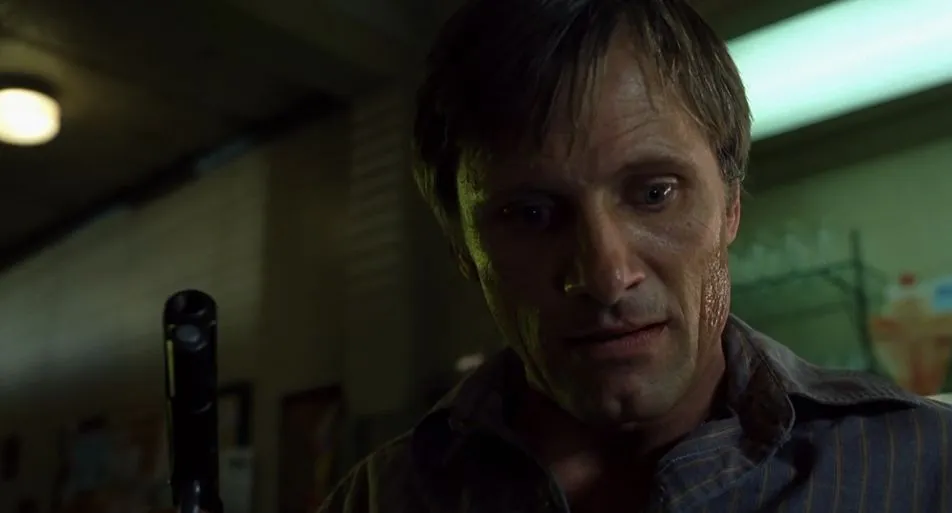
We see those themes explored through Tom’s eyes, eventually discovering that the character has a few skeletons in his closet. Before settling down as a family man, he worked as a mob hitman but ultimately grew tired of that life and decided to try to reinvent himself. Joey, as Tom was known in his formative years, left the life he knew to spend some time in the desert searching for clarity. After several years of self-reflection, he adopted a new identity, thinking he could perhaps outrun his gruesome past. That strategy worked for a while, but his violent impulses merely laid dormant, rather than going away entirely.
RELATED – 13 Movies You Didn’t Realize Were Based on Comics
When his old life catches up to him, Tom gradually seems to fall back into a version of his former self, appearing to (possibly) revel in the return to form, as if there’s a part of him that missed his days as a mob henchman. That speaks to the relationship we as humans have with violence and how it’s often a part of us from which we cannot ever fully detach ourselves. That’s a profound statement from director Cronenberg who is well known for expertly packaging his films with astute social commentary.
A History of Violence is a thrilling effort that also stands as one of the best comic book adaptations of all time. The picture serves up profound commentary on the human condition alongside plenty of stylized violence and even a hint of the type of viscera for which Cronenberg was so well known earlier in his screen career. The fact that A History of Violence remains somewhat unsung is no reflection on its quality, more so than a reflection of its standing as a comic book movie that isn’t immediately identifiable as such.
What are your thoughts on A History of Violence and its place in the DC cinematic canon? Let us know in the comments section below.