Videos by ComicBook.com
It’s a technique most often used in the horror genre, but it’s been done in other genres as well. To look at it cynically, it’s a way to fool the audience. The less cynical way is that it makes the audience feel for the characters even more. Whichever way you look at it, these movies are not, in fact, based on, well, facts.
10) Weapons
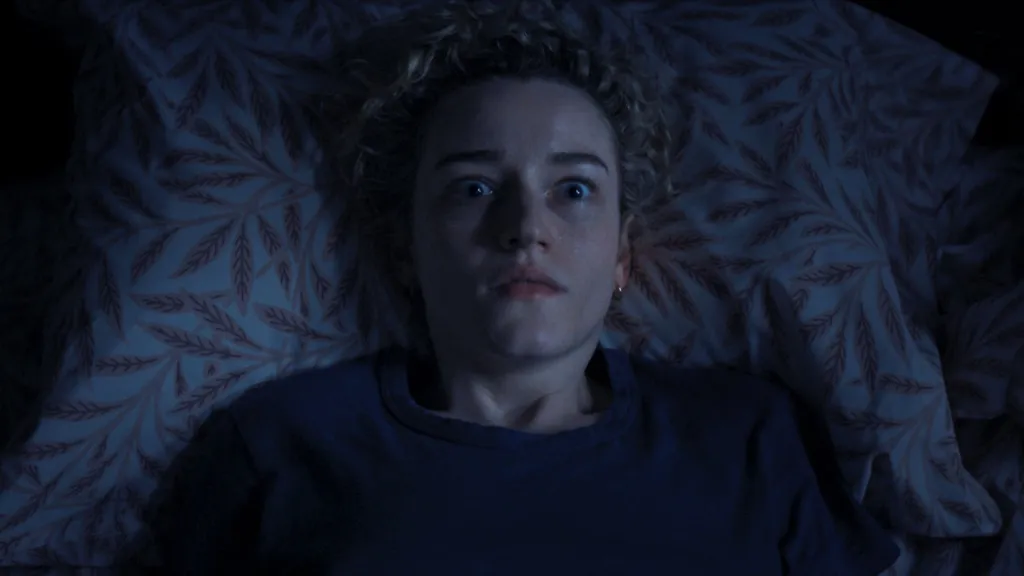
The opening of Weapons shows a sun-drenched, peaceful, almost idyllic town, and placed over it is the voice of a little girl telling the viewer that the film is “a true story” and that the following events “happened right here in my town two years ago.” But the small town is really a stand in for any small, usually safe town where something awful has cast darkness over it.
Director Zach Cregger has said the movie is not, in fact, based on a true story, but is rather an amalgam of the feelings of grief, loss, and trauma he felt after losing someone he cared for deeply. The core plot of 17 kids disappearing in the dead of night is fictional, but what the characters feel about that is based in reality.
9) The Last House on the Left

The first frame of Wes Craven’s The Last House on the Left is just white text against a black background that reads “The events you are about to witness are true. Names and locations have been changed to protect those individuals still living.” But that was just a technique Craven utilized to help accomplish his goal, which was to show violence that didn’t feel as though it was part of a film.
A viewer would be fully forgiven for taking The Last House on the Left at its word. There’s nothing in this movie that doesn’t feel removed from reality, which is what makes its intense violence and lengthy scene of violation feel like such gut-punches.
Stream The Last House on the Left on Prime Video.
8) The Devil Inside

2012’s The Devil Inside is widely deemed one of the worst horror films of its respective decade, particularly for the last scene, which is just a website title. It’s in that last scene (and the marketing) where the film claims to be based on a true story.
Specifically, the ending title card says that the case of the Rossi family remains unsolved, but there is no Rossi family, and the narrative is in no way based on factual events. It was all just a cliche marketing tactic and quite possibly the worst way ever to end a film.
7) The Amityville Horror
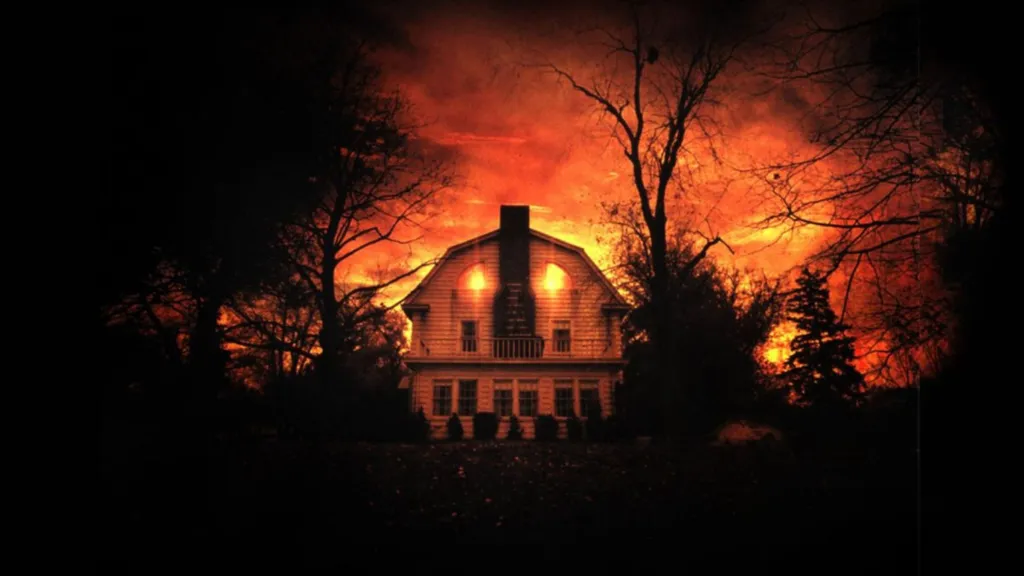
After the opening credits of The Amityville Horror we witness a man gunning down his entire family. As police arrive at the scene and cart off the bodies, text reads on the screen stating that it is November 13, 1974, and the occurrence we’ve just witnessed took place in Amityville, Long Island. At the bottom of the screen more text reads “A mother, father and four of their children murdered…no apparent motive.”
Of course, The Amityville Horror is not entirely based on a true story. But there is a nugget of truth in Jay Anson’s 1977 novel and the initial 1979 film, which has led to a series of over 50 movies. In real-life, a 23-year old man named Ronald DeFeo Jr. did in fact murder his entire family with a rifle in Amityville, New York. And, a year later George and Kathy Lutz and their family did move into the same house, swiftly move out after a month, and claim that they experienced paranormal phenomena. However, as the movie shows it, those phenomena did actually happen, whereas in reality they almost certainly did not. Furthermore, George Lutz never picked up an axe to continue in DeFeo Jr.’s footsteps, which he very nearly does in the book and film.
Stream The Amityville Horror on HBO Max.
6) The Strangers
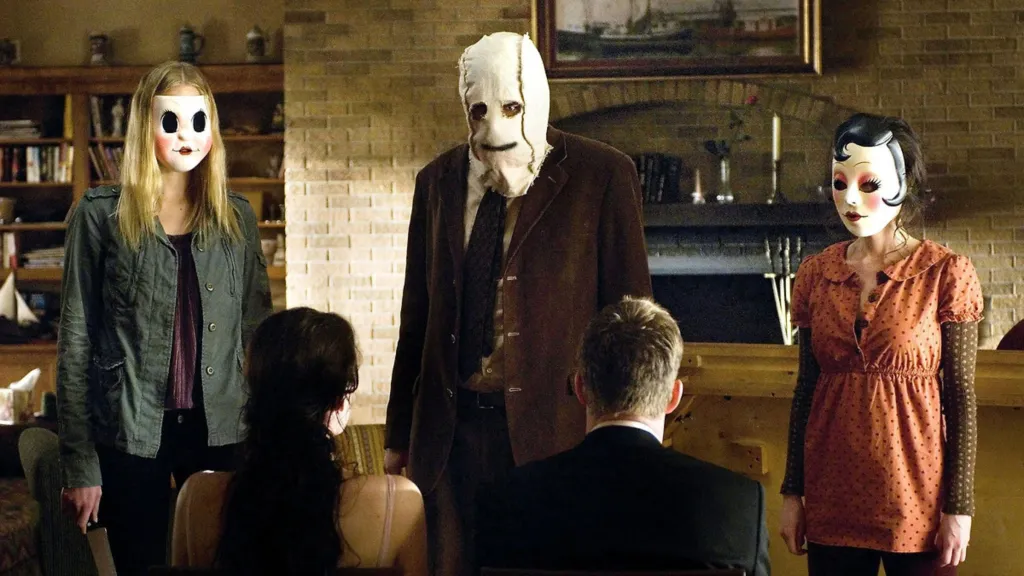
Before the title card, we are told The Strangers is “inspired by true events” before more text displays crime statistics in the United States. Specifically, that “according to the FBI, there are an estimated 1.4 million violent crimes in America each year.”
That’s only partially true. There were 1.4 million violent crimes in the U.S. in 2007, the year before The Strangers‘ release. As for this story of a masked trio showing up on a random doorstep to torment and murder the home residents? It lifted elements from the Manson murders and a home invasion experience experienced by director Bryan Bertino when he was a child.
Stream The Strangers on Prime Video.
5) The Wicker Man

The best folk horror movie ever made, The Wicker Man opens with the text “The producer would like to thank The Lord Summerisle and the people of his island off the west coast of Scotland for this privileged insight into their religious practices and for their generous co-operation in the making of this film.” It makes what follows feel like a documentary of sorts.
But it’s no documentary and there is no Lord Summerisle, there’s just a character Christopher Lee played. This was an early example of a movie faking its audience out, and it works splendidly.
Stream The Wicker Man on Prime Video.