Videos by ComicBook.com
Jurassic Park was based on Michael Crichton’s novel, with a few changes. The other movies in the trilogy would dance around with this premise, pulling details here and there from the books. Then there’s Jurassic World, which didn’t have a book to rely on. The film begins 22 years after the events of Jurassic Park, and during that time, executives have swooped in and turned the island into a successful theme park. It’s the thing Hammond always dreamed of, with a few catches, of course. Jurassic World would become the fourth in the franchise, and kick off a new series of events, some of which still have us scratching our heads.
1) Where’s the Security?
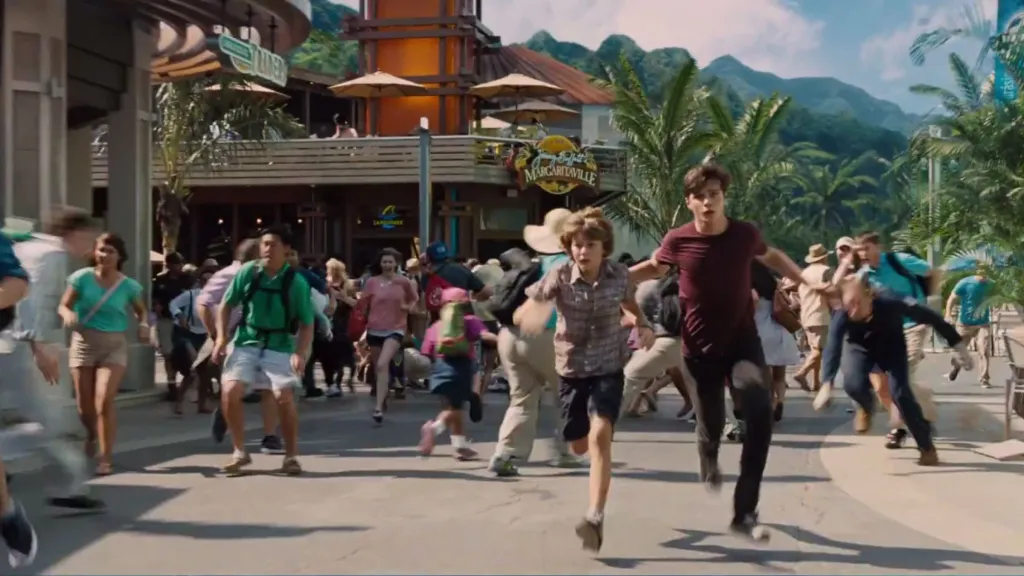
The Jurassic World theme park portrayed in the movie may be bigger in scale than Hammond ever dreamed of, but it seemed to have kept a few core principles to heart. To start with, the crowd alone makes it pretty clear that this park isn’t just for millionaires to explore. In other words, the average person can seemingly afford it. The other principle Jurassic World unintentionally seemed to follow is a lack of planning regarding security. On the surface, it all looks great and safe, but it’s when things go wrong that it suddenly becomes painfully clear how lacking it is.
There are a few examples of where and how security is quite lax in the part, and we’re not talking about the obvious dinosaurs escaping. First, there’s the Gyrosphere adventure; when that ride was closed down (because of the escaping dinosaur emergency), there was only one employee responsible for closing down the ride and getting everyone back. One would think that in a true emergency, some form of security would be responsible for rounding up vulnerable humans.
Next, there’s what happened with the visitors and the Pteranodons. These winged creatures quickly gained access to the tourists, most of whom were very helpfully rounded up into a tight area. It’s a counterintuitive problem, as the whole reason these people were in an enclosed space was for their safety. So where are the guards? There should be, at the very least, a holdout team responsible for keeping dinosaurs from breaching this point. Two gate guards do not cut it.
[RELATED: How Jurassic World Rebirth Connects to the Original Jurassic Park]
2) Dr. Henry Wu’s Heel Turn
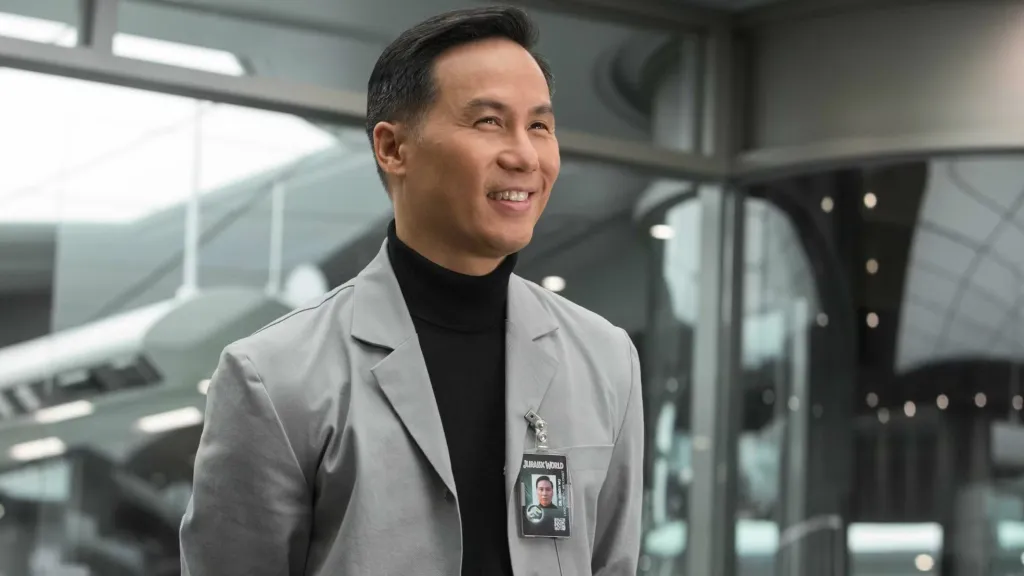
Fans were pretty thrilled when they learned that Dr. Henry Wu (BD Wong), who first appeared in Jurassic Park, would be making another appearance in Jurassic World. In the first film, he is an ambitious scientist swept up in Hammond’s ideals. He’s passionate about his work, especially prioritizing preserving the species. In other words, it’s pretty easy for dinosaur enthusiasts to love the character.
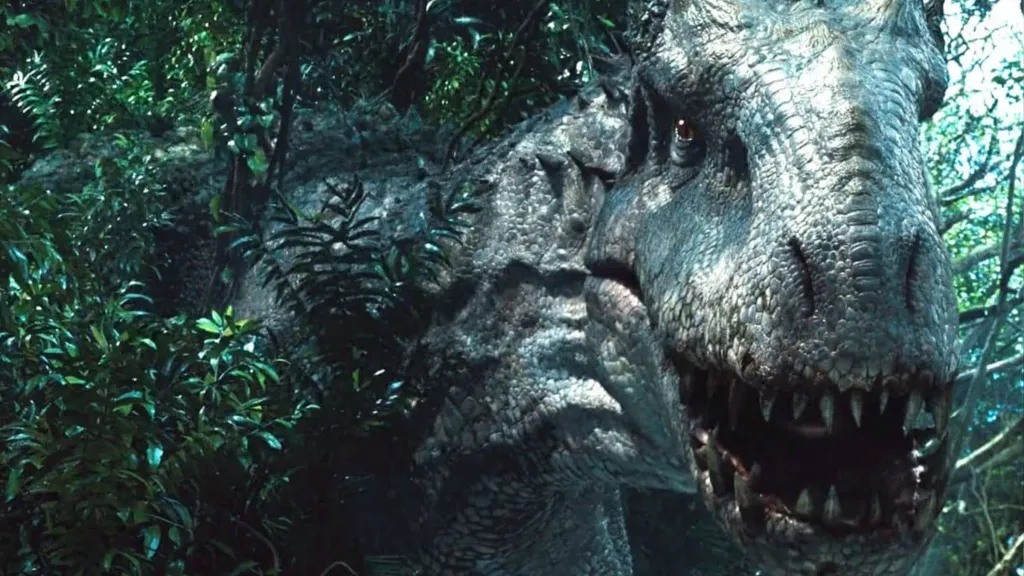
However, the Dr. Henry Wu portrayed in Jurassic World has changed a lot over the years. Somewhere along the way, this ambitious scientist sold his soul to corporations. His design for the Indominus Rex helps to drive home how much he has changed. He’s more interested in making money than in any ethical debates, and that’s concerning for this character. It feels like a sudden shift to viewers.
To be fair, Dr. Henry Wu’s appearance was still very much appreciated by the fans. In particular, people loved his comment about Jurassic World‘s dinosaurs and their aesthetics, mainly how they’ve already been modified. This explains their lack of feathers and is a nice hat tip to modern discoveries about dinosaurs. Likewise, his character arc is surprisingly complex, letting him evolve throughout the latest series. It’s a highlight of the stories, letting Wong tell viewers a tale of a scientist’s path to discovery, understanding, and then redemption.
3) The Gyrospheres

It makes complete sense that the team behind Jurassic World would work hard to find new and innovative ways to let visitors safely view the dinosaurs. However, we can all agree that the Gyrosphere was not it, right? Even the intro video (hosted by Jimmy Fallon) had viewers questioning its safety before the ride even began. Let’s look at it this way: even if the ride did everything it promised, it still doesn’t seem safe. It’s the illusion of safety at its best. Worse, when things go wrong, the guests are inherently isolated, significantly increasing the danger.
The whole premise is that these spheres can let ride-goers run between dinosaurs. The tech allows for the guests to see out, but prevents the dinosaurs from seeing in (except for the Indominus Rex). The spherical design seems pretty dangerous and useless. Let’s ignore the safety features for a moment and look at it practically. These spheres are roaming through a field with dinosaurs. So, the odds of accidentally rolling through dinosaur droppings seem pretty high, right? That would take the buzz out of the ride pretty quickly, especially as it smeared over the sphere.
The Indominus Rex proves that the spheres do not hold up to attacks from determined carnivorous dinosaurs either. Ideally, that should never be put to the test, but it is still a vital safety element to consider. If the spheres can handle an aggressive attack, the guests should never be allowed to go off unsupervised in them.