Videos by ComicBook.com
Perhaps no director has made a more indelible mark on the filmmaking world (or at least, where blockbusters are concerned) these past 25 years than Nolan, who is now one of the few directors whose name alone can carry a movie. And while he’s explored various other genres, it’s Sci-Fi he’s intrinsically linked to, and where some of his wildest ideas have come to fruition, as we’ve seen in The Prestige, Inception, and Tenet. Among all of those is Interstellar, which received surprisingly mixed reviews (especially by Nolan standards), but deserves to stand tall among the modern greats of the genre.
Interstellar Deserves To Be Counted Among The 21st Century’s Best Sci-Fi Movies
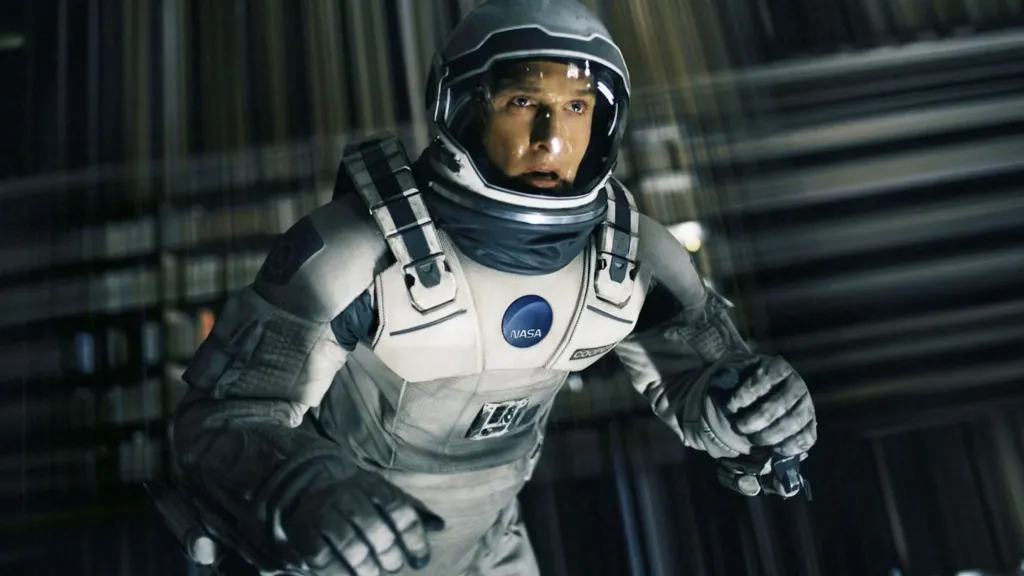
Interstellar‘s reception was by no means bad, but its 73% Rotten Tomatoes score was a surprise given where Nolan was at the time: following The Dark Knight (94%), Inception, and The Dark Knight Rises (both 87%), it was expected that he was going to deliver another near-unanimous hit, but reaction was more muted and divided. The mix of heady science and emotional vulnerability didn’t land for a lot of critics at the time; the visuals were highly praised, but its intellectual grounding and exposition was on much shakier footing.
There’s a sense of irony in this. One of the most common criticisms of Nolan is that he is too cold a filmmaker, and yet his most emotionally open and sentimental movie is among his most divisive. But 11 years on, that shouldn’t – and in a way, doesn’t – really hold true. Yes, it is a technical marvel that a lot of Sci-Fi movies would dream of matching: Hoyte van Hoytema’s cinematography is gorgeous, Hans Zimmer’s organ-heavy score an awe-inspiring, haunting soundscape, the mix of practical and digital effects create a dazzling spectacle. But there’s much more to Interstellar.