Videos by ComicBook.com
Essentially, a movie needs to generate least three times its budget (including both production and marketing costs) to turn a profit for the studio. Let’s say a movie cost $100 million and did not receive a tax credit. If it made $300 million worldwide, $150 million would go to the theaters, leaving $150 million, then subtract the $100 million price tag and its studio profit is $50 million. That’s a very basic example, but let’s use it as a foundation for what comes next. Speaking of which, it’s time to unpack the Disney Star Wars movies’ profitability. How will The Mandalorian and Grogu stack up? We’ll have to wait until at least May of 2026 to know that.
5) Solo: A Star Wars Story (-$103.3 million)

The five Disney Star Wars movies thus far came out between 2015 and 2019. In other words, that really is a recipe for giving the audience too much of a good thing. Interest is bound to dwindle and fade at least to a certain extent. But that was only part of the problem with the (fun but not particularly important) origin story Solo: A Star Wars Story. Chief among them is the fact that, in spite of Alden Ehrenrich’s best efforts, Harrison Ford is simply irreplaceable as the title character.
Solo cost Disney $365.7 million and received a tax credit of $65.9 million, meaning its final price tag was $299.8 million. Unfortunately, it made slightly less than $400 million when it played in May 2018, the only Disney Star Wars Movie to not open in December so far. This resulted in a loss of $103.3 million for Disney. There was another Star Wars movie the following year, but that one was always going to come and it’s safe to say Solo‘s failure was more than enough to put big screen Star Wars movies on ice for a while.
4) Star Wars: The Rise of Skywalker ($48.3 million)
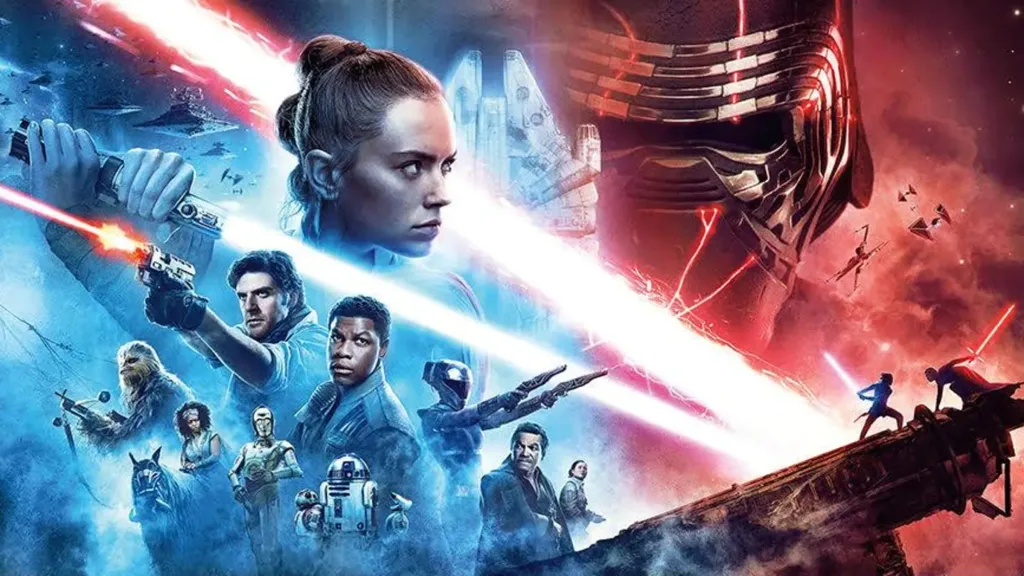
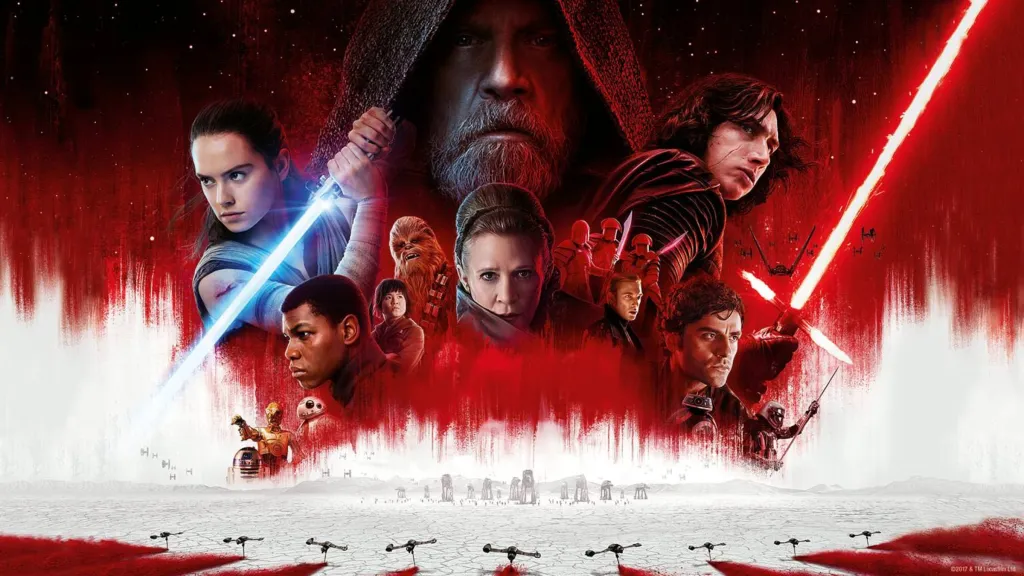
Without a doubt, Disney wanted more from Star Wars: The Rise of Skywalker. It should have been the Star Wars: Revenge of the Sith of the sequel trilogy. Meaning, it should have rebounded after the drop Star Wars: Attack of the Clones experienced after Star Wars: The Phantom Menace. Pretty far from the case here. This came down to a lot of factors. Many people felt Star Wars: The Last Jedi seriously derailed the momentum established by Star Wars: The Force Awakens, the return of Darth Sidious seemed desperate, Carrie Fisher passed away before The Rise of Skywalker even started filming (so the sole remaining original trilogy character still alive lost her portrayer in real life), and the return of J.J. Abrams seemed to indicate that it would try and course correct in a way that was too little too late. Then the reviews came out. Not only did it fail to reach the “Certified Fresh” Rotten Tomatoes ratings of The Force Awakens‘ 93% and The Last Jedi‘s 91%, but it also outright fell short of getting a fresh rating at all.
The writing was on the wall opening weekend. For most movies, a three-day haul of $177.4 million domestically would be phenomenal, but not when its two predecessors netted $248 million and $220 million, respectively. It still managed to cross the $1 billion mark worldwide, but without a doubt the closing chapter of the “Skywalker Saga” should have done much better. It should not have grossed less than a spin-off prequel. These troubles were compounded by the fact that The Rise of Skywalker was the second-most expensive Disney Star Wars movie. It cast $490.2 million after a $103.5 million tax credit and $538.5 million of its worldwide haul went to the studio. That meant a profit of just $48.3 million. Technically it was still worth making, but the movie’s profitability ended up being as negligible as its story’s events.