While the undisputed kings of the VHS era continue to cast a massive shadow over the horror industry and dominate studio production schedules, a new breed of broadly recognizable murderers has successfully made their cinematic debut in the 21st century. These contemporary antagonists bypass the traditional reliance on supernatural invincibility by exploiting modern anxieties, with striking visual designs that terrify audiences. These modern figures prove that audiences still crave the visceral thrill of serial killers, provided the narrative framework updates the mechanics of the hunt to reflect contemporary fears.
7) Peachfuzz (Creep)
Image courtesy of Shudder
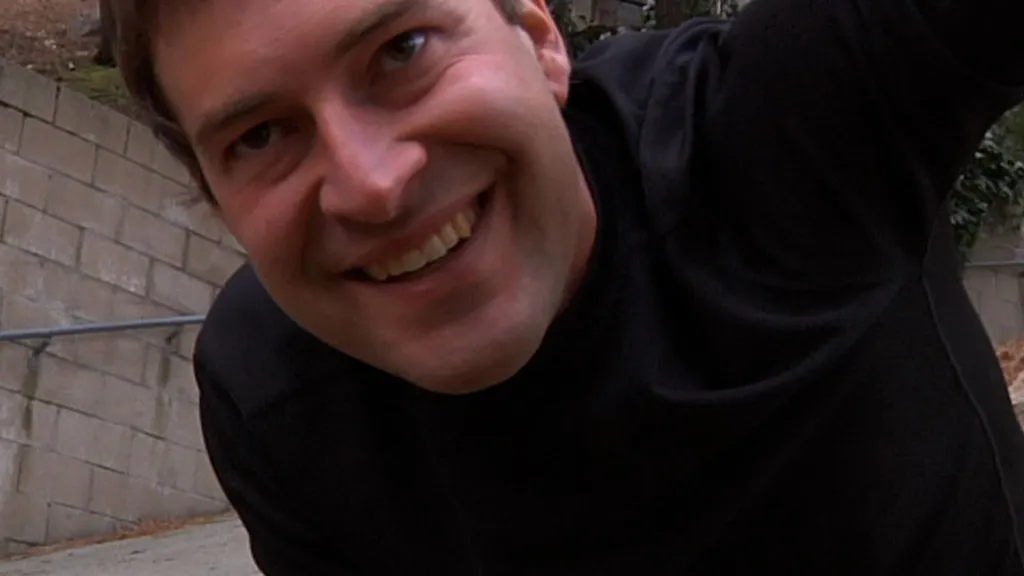
The found footage genre often relies on unseen supernatural entities to generate scares, but director Patrick Brice subverted this expectation by introducing the deeply unsettling human threat of Peachfuzz in the 2014 film Creep. Portrayed by Mark Duplass, the character utilizes a combination of sympathy and intense social awkwardness to lure unsuspecting videographers into his isolated home. His reliance on a bizarre wolf mask and aggressively invasive behavior creates a uniquely modern form of terror centered on the breakdown of social boundaries. Duplass delivers a performance that alternates between pathetic vulnerability and predatory calculation, making the viewer complicit in the protagonist’s polite refusal to leave a dangerous situation.
Peachfuzz’s psychological manipulation proved highly sustainable, spawning a critically acclaimed sequel in 2017. The franchise also expanded into television with The Creep Tapes, a series that premiered its first two seasons on Shudder in 2024 and 2025. With a third season officially ordered for 2026, Peachfuzz continues to dominate indie horror, proving that a simple camera and a deranged personality are enough to build a lasting legacy.
6) The Grabber (The Black Phone)
Image courtesy of Universal Pictures
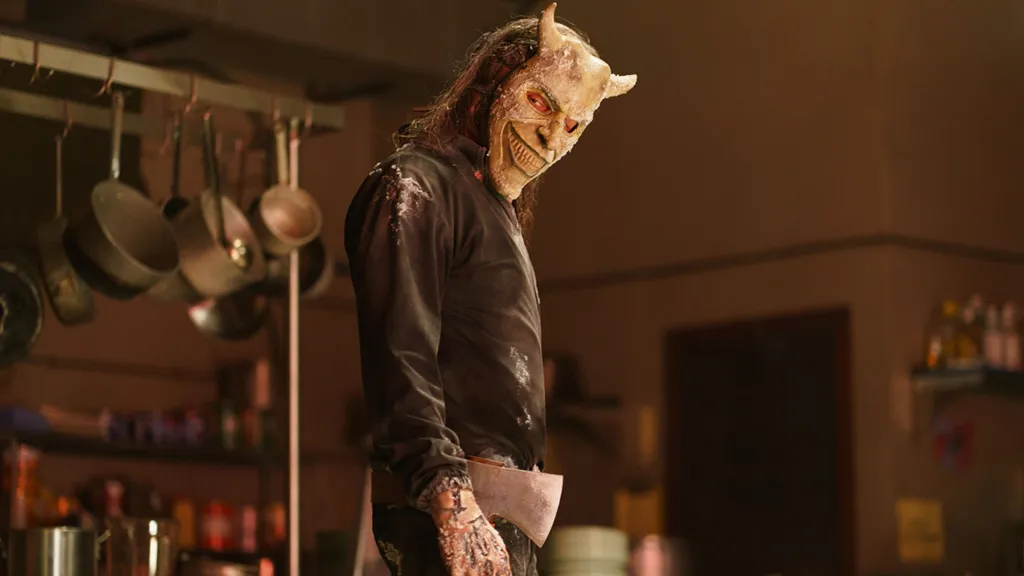
Scott Derrickson’s 2021 hit The Black Phone reintroduced the primal fear of the child abductor through the enigmatic and theatrical figure of The Grabber. Portrayed with a terrifying volatility by Ethan Hawke, the killer eschews a singular visage for a series of interchangeable masks designed by the legendary Tom Savini. These masks—alternating between frozen grins, tragic frowns, and a mouthless void—serve as a physical manifestation of The Grabber’s fractured psyche and his ritualistic “Naughty Boy” game.
Hawke’s performance is anchored in a disturbing unpredictability, moving from feigned vulnerability to explosive rage with an ease that makes his presence feel genuinely dangerous even when he is off-screen. The character’s impact was so profound that Blumhouse fast-tracked a sequel, with Hawke returning to the role in the late 2025 blockbuster The Black Phone 2. By retaining the original creative team and exploring the supernatural remnants of The Grabber’s, the franchise has solidified the serial killer as a recurring threat that can return from the dead, in the mold of Freddy Krueger, making him a premier modern horror icon.
5) Esther (Orphan)
Image courtesy of Warner Bros. Pictures
The creepy child trope is a well-worn staple of the horror genre, yet Orphan managed to completely revitalize the concept through a groundbreaking narrative twist. Esther (Isabelle Fuhrman) initially appears to be a polite and highly intelligent Russian orphan adopted by a grieving American family. The revelation that she is actually Leena Klammer, a 33-year-old woman suffering from a rare hormonal disorder that stunts physical growth, transformed the character into a terrifying mastermind.
Fuhrman’s initial performance as a child actor playing an adult pretending to be a child showcased an incredible level of sophistication, anchoring the absurd premise in genuine psychopathy. Esther’s unique physiological gimmick allowed the franchise to pull off an unprecedented cinematic feat with the 2022 prequel Orphan: First Kill, using forced perspective and makeup to have an adult Fuhrman reprise her role. Production on the highly anticipated Orphan 3 began in Budapest in late 2025, and the movie is currently slated for a late 2026 theatrical debut.
4) Mick Taylor (Wolf Creek)
Image courtesy of Roadshow Films
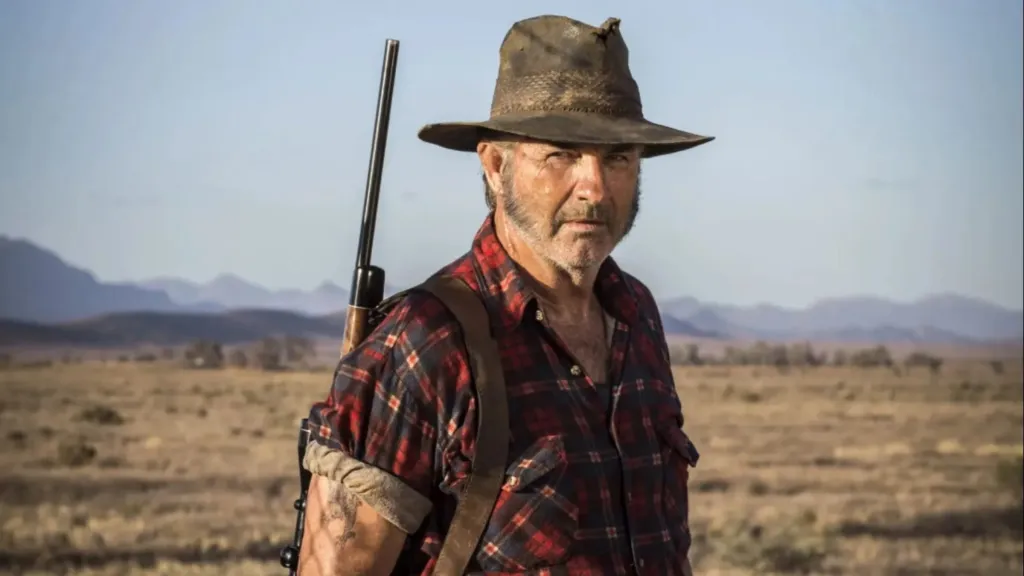
Australian cinema delivered a visceral triumph of outback horror with the introduction of the xenophobic serial killer Mick Taylor (John Jarratt) in the 2005 film Wolf Creek. Operating as a dark subversion of the friendly but rugged Crocodile Dundee archetype, Taylor hunts international tourists who venture too far into the unforgiving wilderness. Based on this premise, Jarratt infuses the character with a jovial and distinctly nationalistic charm that makes his sudden pivots to graphic sadism deeply shocking.
Mick Taylor views his victims as feral pests rather than human beings, utilizing his skills as a pig shooter to dismantle them with methodical precision. The bleakness of Wolf Creek resonated globally, launching a franchise that includes a brutal cinematic sequel and a successful two-season television series. Fans of the outback nightmare recently received massive news, as production officially commenced last year in South Australia on Wolf Creek: Legacy. Directed by Sean Lahiff and scheduled for a Fall 2026 theatrical release, this third film will see the aging predator hunting a new generation of American tourists.
3) Pearl (X)
Image courtesy of Universal Pictures
Ti West’s X introduced audiences to a terrifying elderly murderer, but the prequel film Pearl elevated the titular character into a tragic icon of modern horror. Played by Mia Goth both times, Pearl functions as a deeply sympathetic monster whose homicidal tendencies are fueled by isolation and an unfulfilled desire for cinematic stardom. Goth also co-wrote the Pearl script, resulting in a character study that meticulously tracks the psychological erosion of a farm girl who realizes her dreams will never materialize.
The vibrant aesthetic of the production sharply contrasts with the brutal violence, highlighting the protagonist’s detachment from reality. On top of that, her emotional vulnerability, punctuated by a breathtaking monologue, forces the audience to engage with her sorrow before recoiling from her brutality. The character quickly became a viral internet phenomenon, resonating with a younger generation drawn to her theatricality and raw ambition. Pearl’s narrative arc finally reached its conclusion with the 1980s-set sequel MaXXXine, in which Goth plays the only surviving victim of Pearl, the titular starlet who proves to be just as twisted as her predecessor.
2) Art the Clown (Terrifier)
Image courtesy of Cineverse
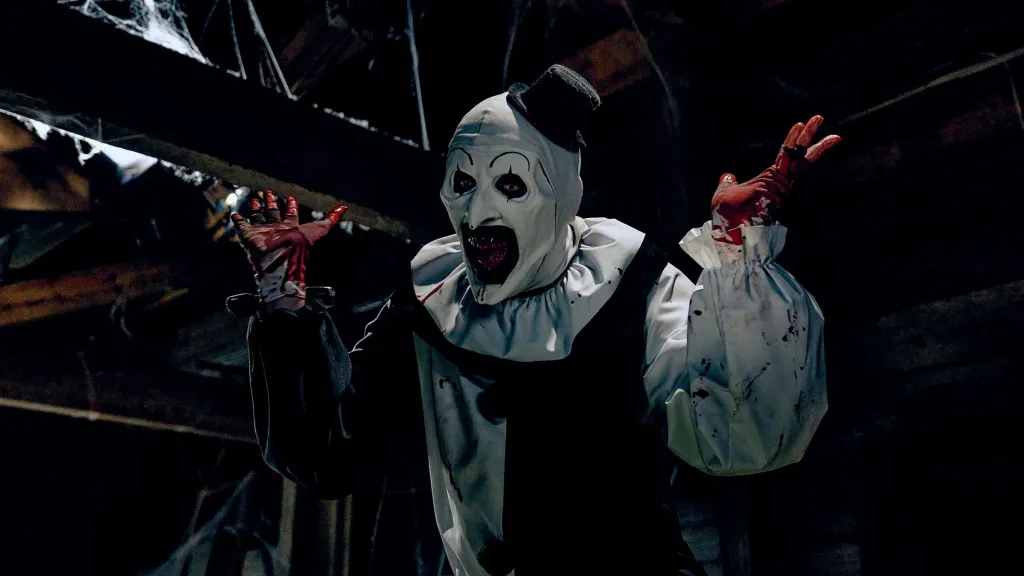
While many modern killers rely on psychological nuance, Damien Leone’s Art the Clown (David Howard Thornton) has carved out a place in the horror pantheon through a return to the unapologetic brutality of the 1980s slasher. First appearing in the anthology All Hallows’ Eve before anchoring the Terrifier franchise, the character weaponizes the “creepy clown” trope with a level of sadistic creativity that hasn’t been seen since the genre’s heyday.
Art’s appeal lies in his visual of a classic circus performer, contrasted with a penchant for extreme, practical-effects-driven gore that tests the limits of the audience’s endurance. The character’s popularity exploded into the mainstream with the surprise box-office success of Terrifier 2 and was further solidified by the holiday-themed carnage of Terrifier 3 in late 2024. This momentum carried Art into high-profile crossover appearances in gaming and merchandise, culminating in the highly anticipated production of Terrifier 4, which is slated to dominate the 2026 Halloween season. By blending black comedy with a supernatural resilience, Art has transitioned from an underground indie sensation to a legitimate cultural phenomenon.
1) Jigsaw (Saw)
Image courtesy of Lionsgate Films
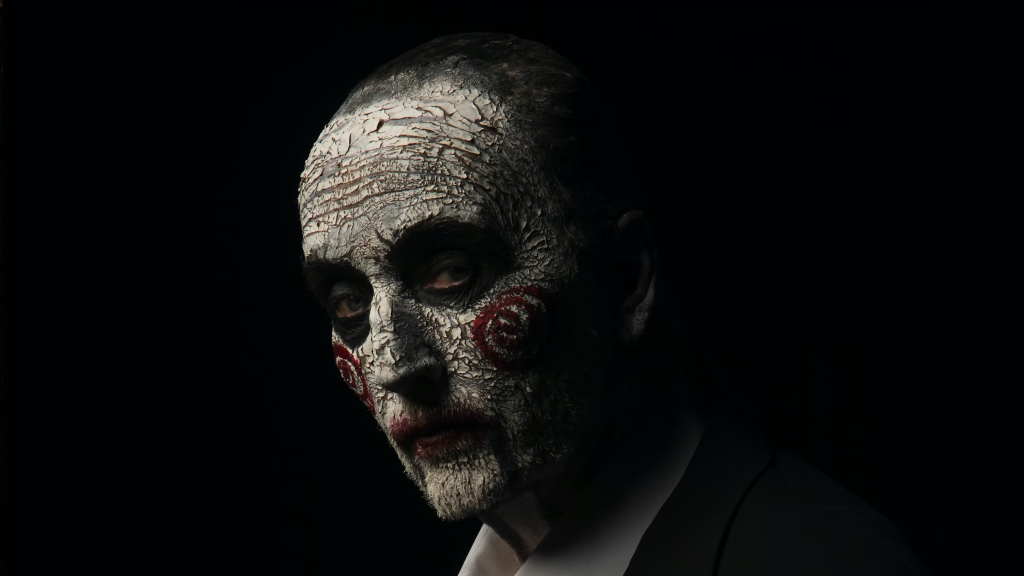
Making his feature debut in 2004, John Kramer (Tobin Bell) revolutionized modern horror by introducing an entirely new methodology to the serial killer archetype. Known as Jigsaw, the antagonist despises the term murderer, operating instead as a twisted moral philosopher who places unappreciative individuals into elaborate traps to test their will to live. Bell anchors the character with a raspy gravitas that demands absolute attention, turning a terminally ill civil engineer into an omnipotent mastermind. Furthermore, the industrial aesthetic of his traps and the iconic presence of the Billy puppet provided the Saw franchise with a visual identity that generated over a billion dollars at the box office.
While the highly anticipated Saw XI was abruptly canceled by Lionsgate in mid-2025 due to producer infighting, the character’s legacy remains secure. Blumhouse Productions recently acquired the rights to the franchise, enlisting co-creator James Wan to creatively reinvent the property. Despite this theatrical pivot, Jigsaw stands completely unrivaled as the most recognizable and intellectually terrifying serial killer icon of the twenty-first century.
Which 21st-century horror movie serial killer do you consider the most terrifying of all time? Leave a comment below and join the conversation now in the ComicBook Forum!