Videos by ComicBook.com
Before Doctor Doom (Robert Downey Jr.) takes center stage as the MCU’s next big bad in Avengers: Doomsday, it’s worth remembering the franchise’s least compelling villains in the last five years. Ranked from bad to worse, the following five MCU characters are the most disappointing villains since Avengers: Endgame.
5) Arthur Harrow
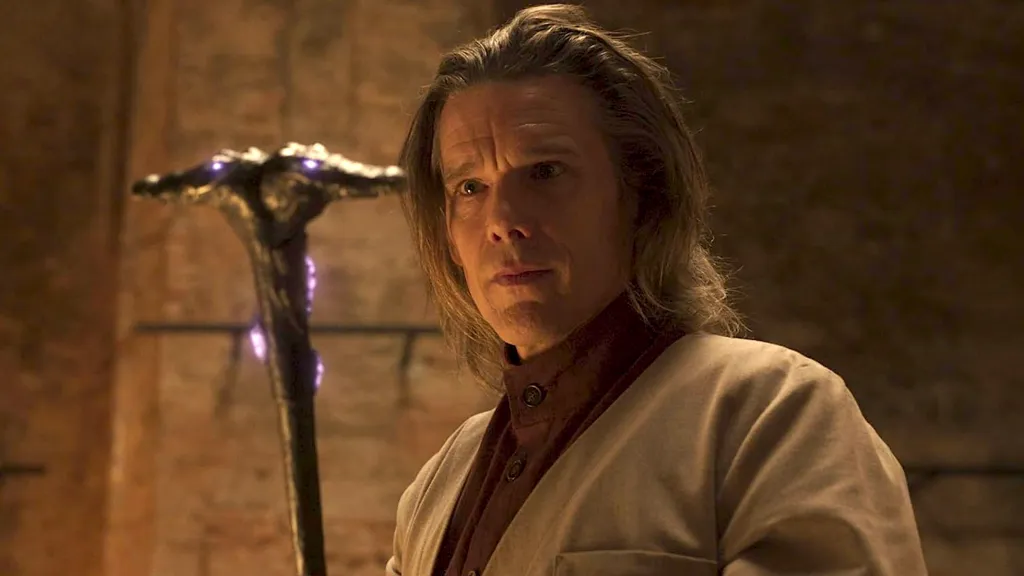
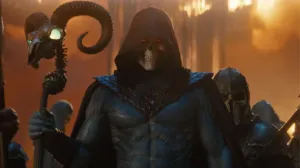
One of Moon Knight‘s few weak spots is its villain. In the Disney+ series, Arthur Harrow (Ethan Hawke) serves as the antagonist to Marc Spector/Moon Knight (Oscar Isaac), seeking to unleash the ruthless Egyptian goddess Ammit (Saba Mubarak) on the world. Although established as a devout worshiper of Ammit and a power-hungry individual, Harrow’s motivations are never fully developed. His involvement in Moon Knight predominantly involves random appearances with a sinister and mysterious demeanor. Harrow’s lack of depth is especially apparent when compared to the Moon Knight, whose numerous alters wonderfully contribute to his layered persona. Far from a memorable villain, Harrow is an unfortunate waste of a fantastic actor.
4) Galactus
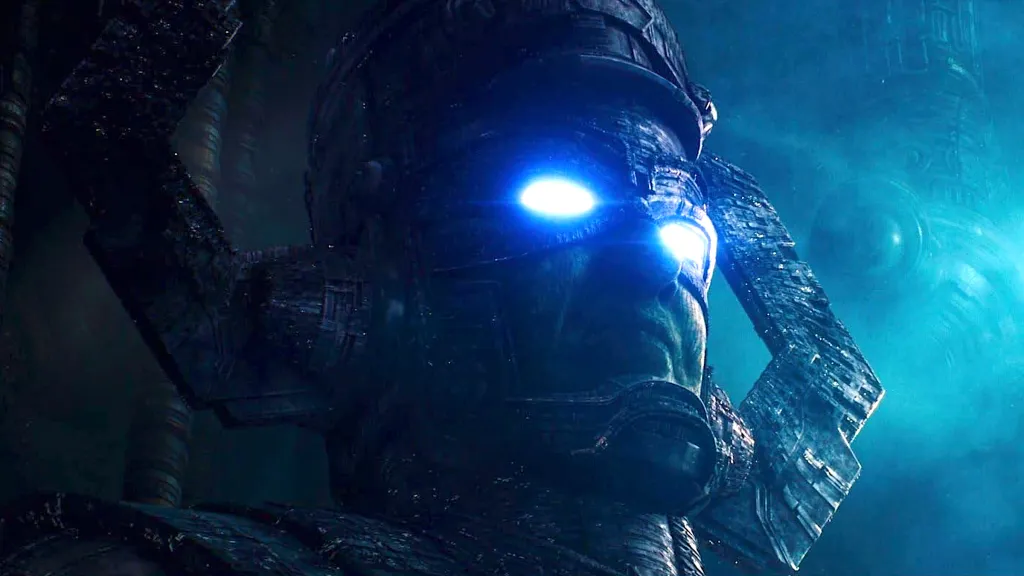
Galactus (Ralph Ineson) was a highly anticipated villain ahead of his MCU debut in The Fantastic Four: First Steps, but he did not live up to the hype. The otherworldly being is enormous and menacing whenever on screen, though he’s also a painfully boring character. For most of the movie, Galactus does little more than stand still and look intimidating. Furthermore, The Fantastic Four: First Steps never thoroughly explores his motivations for consuming planets and pursuing Franklin Richards.
When Galactus finally arrives to destroy Earth during the final battle, he just stumbles around awkwardly until the Fantastic Four defeat him by pushing him through a portal. Galactus is a surprising letdown because his ominous presence appeared to suggest some meaningful stakes in The Fantastic Four: First Steps. Yet, the villain’s loss at the end of the film was never in doubt. As a result, Glactus ends up a forgettable antagonist who functions as a plot device rather than a three-dimensional character.