Videos by ComicBook.com
However, with HBO Max’s upcoming reboot giving each book the full-season treatment (and TV being a more flexible medium overall), fans may finally have a chance to see the story unfold in a pure adaptation that retains all the nuance. The essential moments that defined characters, relationships, and the stakes of the Wizarding World shouldn’t need to be cut this time around. We’ve found the top five missing scenes we’re most eager to see on screen.
5) Dobby’s Gillyweed (and the House Elves)

In Goblet of Fire, the first of the particularly large novels, Harry doesn’t get gillyweed from Neville. Rather, he gets it from Dobby, who discovers it after overhearing Moody’s (Barty Crouch Jr.’s) hint. Dobby wakes Harry in the library minutes before the second task to offer him gillyweed stolen from Snape’s office. The scene is just one in a series of fascinating house elf moments related to Winky, Hermione’s S.P.E.W. crusade, the Hogwarts kitchens, and the underlying systemic injustice related to the elves. None of that survived the transition to film. Given how much weight is placed on Dobby’s death, it’s essential to the narrative that he has saved (or at least tried to save) Harry on numerous occasions. This is a big one to leave out, and without it, Dobby plays no part in the GoF at all.
4) Molly Weasley’s Boggart
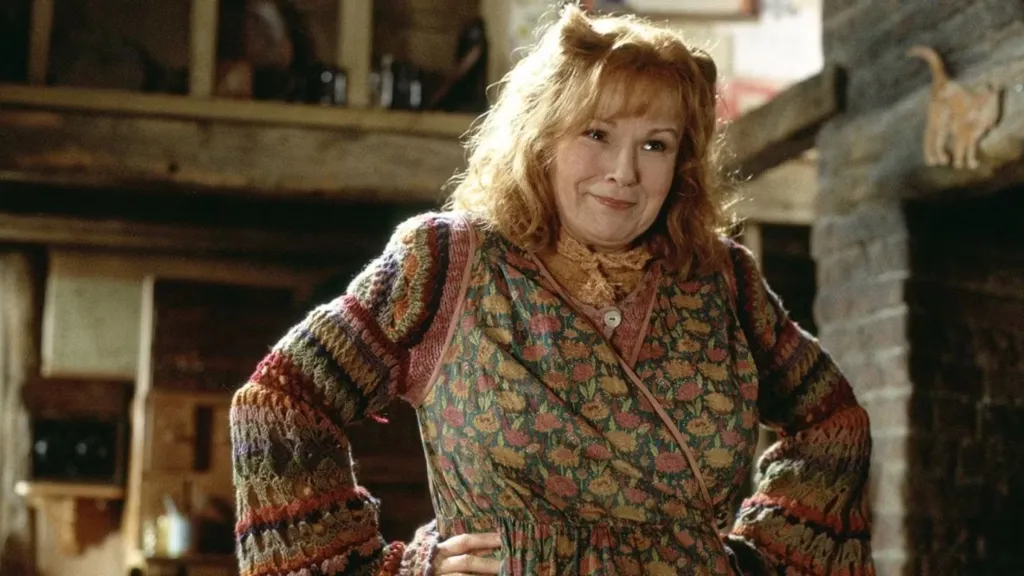
In Order of the Phoenix, Molly attempts to clear out a boggart in the drawing room of Grimmauld Place. But rather than a vague or theoretical childhood fear like snakes or spiders, the boggart cycles through every single one of her loved ones lying dead on the floor: Harry, Ron, Fred, George, Bill, Charlie, Arthur, Ginny. She collapses, sobbing, unable to banish it, until Lupin comes to help. It’s a brutal moment because it strips away the cozy “Molly Weasley” idea and shows a mother living in constant fear. The scene lays out the stakes of Book 5. Molly knows exactly what Voldemort’s return means. It foreshadows the series’s later losses, including Fred’s death. A scene that simultaneously shows Molly as a real, vulnerable person and communicates that the game has now changed will certainly be pivotal in the reboot.