Videos by ComicBook.com
By showing the events that happened before Dorothy dropped in (quite literally), Wicked and Wicked: For Good doesn’t just expand the lore—it fundamentally changes the way you look at the most iconic characters and moments of the journey down the Yellow Brick Road from The Wizard of Oz. Prepare to question everything you thought you knew about the Land of Oz.
10) Why Elphaba Wants the Slippers So Badly

In The Wizard of Oz, the Wicked Witch of the West simply wants the powerful ruby slippers for her own. Wicked reveals that the slippers belonged to Elphaba’s mother and were passed down to her younger sister, Nessarose. The slippers were the only connection Elphaba had left to her family after Nessarose’s sudden death. When Elphaba finds out that Glinda gave the shoes to a stranger, she reacts with justified anger as an unforgivable disrespect of her sister’s memory.
This change transforms the “Wicked Witch’s” desperate hunt for the slippers from a greedy power grab into a desperate, emotional plea for remembrance, justice, and an important family heirloom. Elphaba’s desperate attempt to retrieve the shoes is rooted in grief and family loyalty, making her obsession far more sympathetic and understandable than simple villainous power grab.
9) How the Flying Monkeys Became Loyal to Elphaba

In The Wizard of Oz, the flying monkeys are terrifying, menacing creatures who work directly for the Wicked Witch and carry out her demands. Wicked: For Good finally shows the origin of their allegiance, revealing that Elphaba made a deal with the Wizard to secure their freedom.
Because Elphaba genuinely tried to help the monkeys and saw them as one of the Wizard’s many innocent victims, they became fiercely loyal and indebted to her. Their allegiance to her is not born of fear, but of deep gratitude, reframing them as devoted allies rather than her disposable, scary pets.
8) Why the Munchkins Were Celebrating the Death of The Wicked Witch of the East

The Munchkins’ cheerful celebration upon the death of the Wicked Witch of the East in The Wizard of Oz is cold, even by Ozian standards. Wicked: For Good explains that Nessarose ruled Munchkinland with an iron fist as an increasingly power-mad and cruel governor who was abusive and oppressed her own people, all in an attempt to keep Boq at her side.
The celebration seen in The Wizard of Oz is not over a random death, but a reaction to being liberated from a brutal dictator who ruled them through fear and control. Knowing that Nessarose became a tyrant makes the Munchkins’ seemingly heartless “Ding-Dong! The Witch is Dead” song and dance a well-earned, genuine expression of freedom from a dictatorial regime.
7) Glinda and Elphaba’s Tragic Friendship
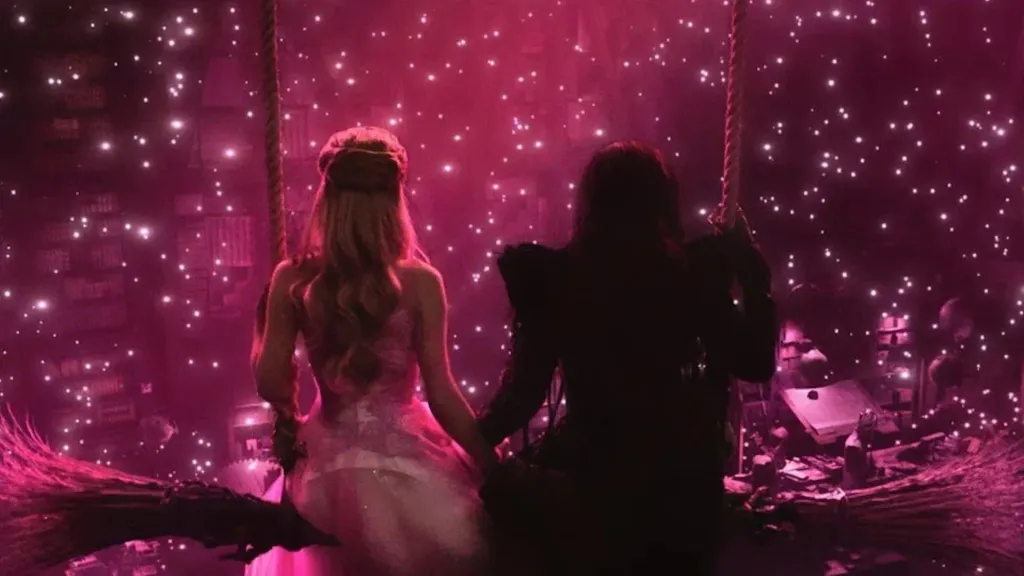
The Wizard of Oz presents Glinda and the Wicked Witch of the West as opposite forces and even enemies, with the “Good Witch” seeming naturally superior and kind. Wicked reveals the truth that they were, in fact, college roommates and best friends who deeply impacted each other’s lives. This backstory turns Elphaba’s “death” in the original film into a painful, personal tragedy for Glinda.
Their relationship is a central pillar of the musical and films, acting as a commentary on how external expectations and political circumstances can twist even the strongest bonds. Knowing that Glinda genuinely loved Elphaba and Elphaba loved Glinda just as much, even if Glinda couldn’t save Elphaba, adds a layer of sorrow and complexity to Glinda’s perpetual cheerfulness in The Wizard of Oz. It’s all an act to hide her grief and honor Elphaba’s final wishes.
6) Dorothy Looks More Like A Villain

In The Wizard of Oz, Dorothy is an innocent farm girl turned accidental hero who has to defend herself against the menacing Wicked Witch of the West. Wicked: For Good finally brings Dorothy into the fold and causes the audience to see things from Elphaba’s perspective, where Dorothy is a destructive intruder. She crushed Elphaba’s sister, Nessarose, took the precious Thropp family shoes from Nessa’s dead body, and refused to return them.
Dorothy’s actions, though unintentional, directly lead to several catastrophic personal losses for Elphaba. Rather than simply being a girl trying to get home, Dorothy becomes an agent of chaos whose arrival is an existential threat to Elphaba, completely changing how one views the scene where the Witch swears revenge on the girl. Elphaba’s rage becomes justified, and Dorothy’s deal to kill Elphaba for the Wizard is even more awful.
5) Fiyero Being The Scarecrow
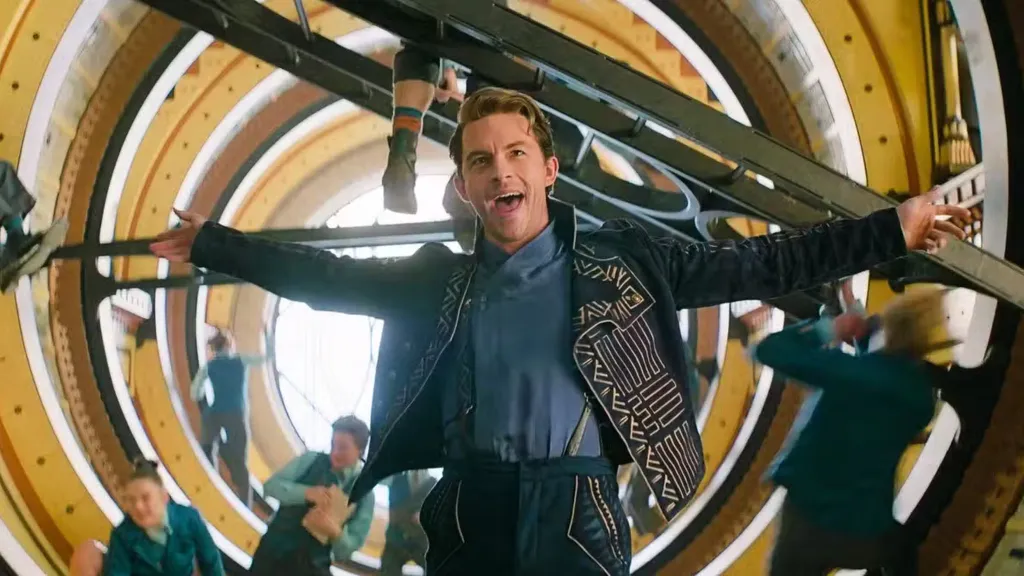
In The Wizard of Oz, the Scarecrow is a friendly presence in Dorothy’s journey who simply wants the Wizard to give him a brain. Wicked drops a ton of hints as to Fiyero’s ultimate fate, but Wicked: For Good reveals how and why the tragic transformation happened. When Fiyero tries to save Elphaba from the Wizard’s guards, the guards drag him away, string him up in a cornfield, and mercilessly beat him to what should have been death. However, Elphaba magically protects him by using a spell that accidentally turns him into a scarecrow to prevent him from being killed.