Videos by ComicBook.com
However, in the nine years since its release, the film has taken on a whole new meaning and life of its own thanks to the further expansion of Star Wars lore. What was once a singular suicide mission has become the emotional linchpin that holds the entire saga together. Through critically acclaimed series, deep-dive novels, and animated expansions, the characters lost on the beaches of Scarif are no longer just archetypes of sacrifice; they are people with complex, painful histories that we have seen unfold in front of our eyes over the years.
From the industrial gears of the Imperial Security Bureau (ISB) to the quiet, heartbreaking sacrifices of political figures in Coruscant’s high society, the Star Wars galaxy has spent nearly a decade adding layers of meaning to every frame of the 2016 film.
10) The Hidden Architects of the Rebel Alliance

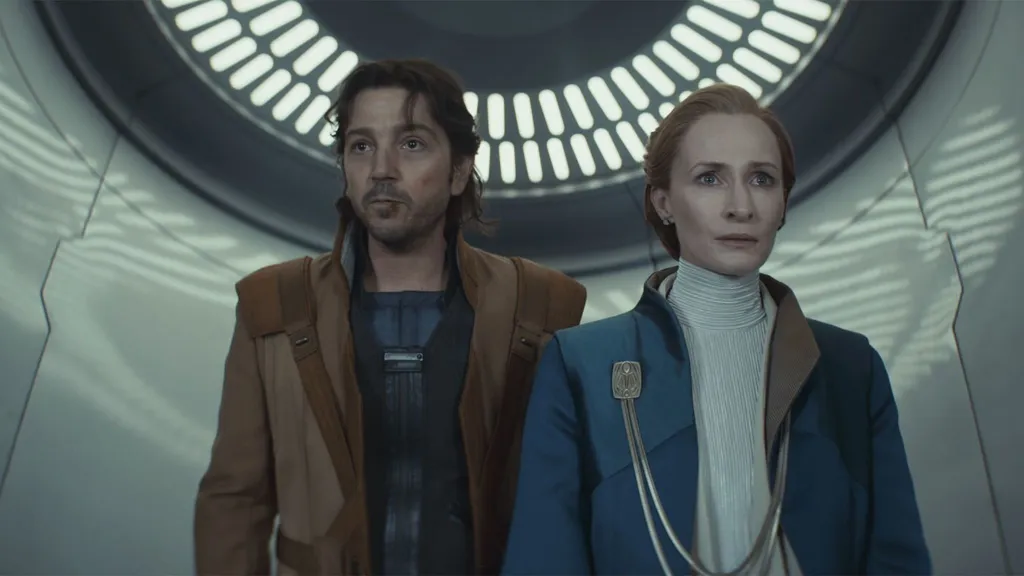
Introduced in the first season of Star Wars: Andor, Luthen Rael and Kleya Marki transformed the Rebellion from a series of scattered cells into a coordinated, lethal force. By operating through a sophisticated web of informants and high-stakes smuggling, they laid the foundation for the highly organized and almost militaristic intelligence agents seen in Rogue One. Luthen and Kleya’s work in the shadows ensured that every transmission intercepted by the Rebels feels like the result of a carefully constructed, multi-year game of chess. The revelation that Kleya eventually wound up on Yavin 4 and was therefore present during the events of Rogue One and subsequently A New Hope also sets up an interesting perspective that can be explored in the future.
This groundwork gives a darker context for the Rebel Council’s hesitation during Rogue One. Knowing that Luthen intentionally provoked the Empire to “tighten its fist” makes the Alliance’s fear of Imperial retaliation much more tangible. Cassian’s personal relationship with Luthen also gives greater depth to his decisions and ultimate sacrifice. When Jyn and Cassian finally steal the plans for the Death Star, they aren’t just completing a mission; they are realizing the ultimate goal of Luthen’s lifelong, agonizing commitment to a sunrise he would never see.
9) Galen Erso’s Scientific Sabotage
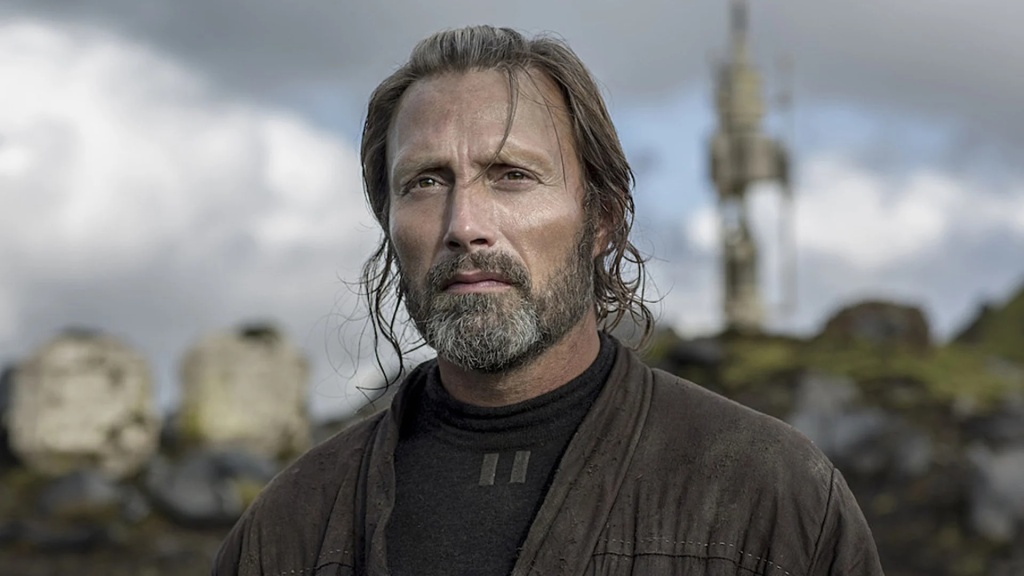
James Luceno’s 2016 novel Catalyst: A Rouge One Novel fundamentally changed how audiences understand the relationship between Galen Erso and the man behind the Death Star construction, Orson Krennic. In the film, their rivalry felt like a typical protagonist-villain dynamic, but the expanded lore reveals a decades-long friendship twisted by manipulation. Galen wasn’t just a captive scientist; he was a pacifist whose genius was weaponized through a series of elaborate lies and psychological traps set by Krennic during the Clone Wars.
This backstory makes Galen’s eventual choice to build a flaw/failsafe into the Death Star feel less like a convenient plot point and more like a hard-won victory of the soul. By the time we see Galen on Eadu in Rogue One, we know the decades of guilt he carried for unknowingly fueling the Empire’s war machine. Every moment of his final interaction with Jyn is now heavy with the weight of a father’s long, silent penance.
8) The Spiritual Endurance of the Whills
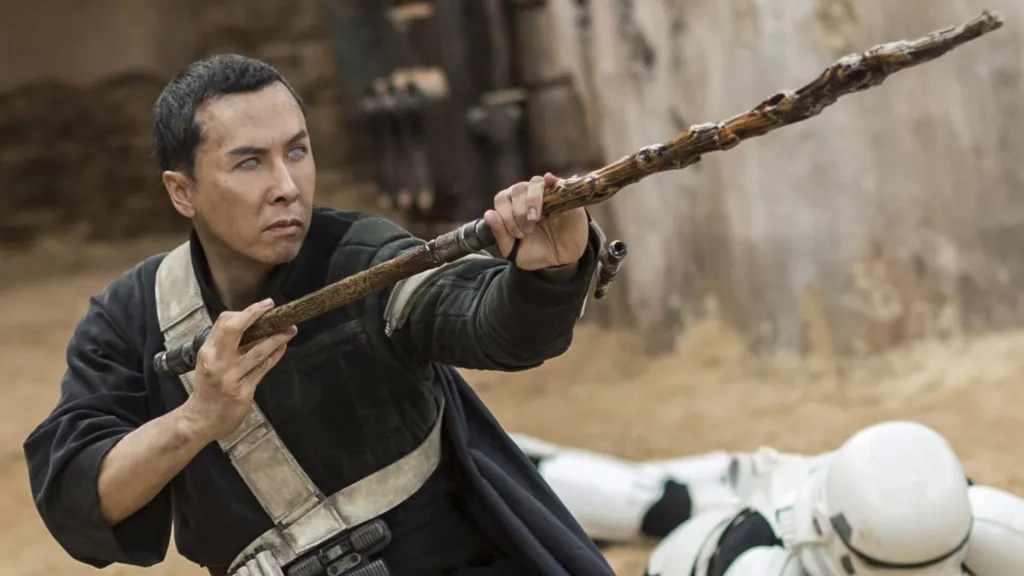
The introduction of Chirrut Îmwe and Baze Malbus brought a sense of mysticism to a movie otherwise defined by military realism. In the years following Rogue One, books like Guardians of the Whills and multiple comic runs have fleshed out the history of Jedha’s holy city and the Order they served. These stories transform the duo from quirky sidekicks into the final, flickering embers of a faith that the Empire spent years trying to extinguish.
Particularly, the book released under the High Republic Publishing Initiative (which take place during centuries before the Skywalker Saga) peels back the curtain on the Guardians of the Whills and Jedha itself, showing how the Holy City was used as a piece in a large chess game by anti-Jedi extremists. Understanding the destruction of the Temple of the Kyber and the fracturing of the Guardians adds a layer of tragedy to the (repeated) destruction of Jedha City. When Chirrut walks into the line of fire on Scarif, he isn’t just a blind monk with a mantra; he is the ultimate proof that the Force cannot be erased by Imperialism. His death represents the survival of the spirit in a galaxy increasingly defined by cold steel.
7) The Inevitability of the Death Star
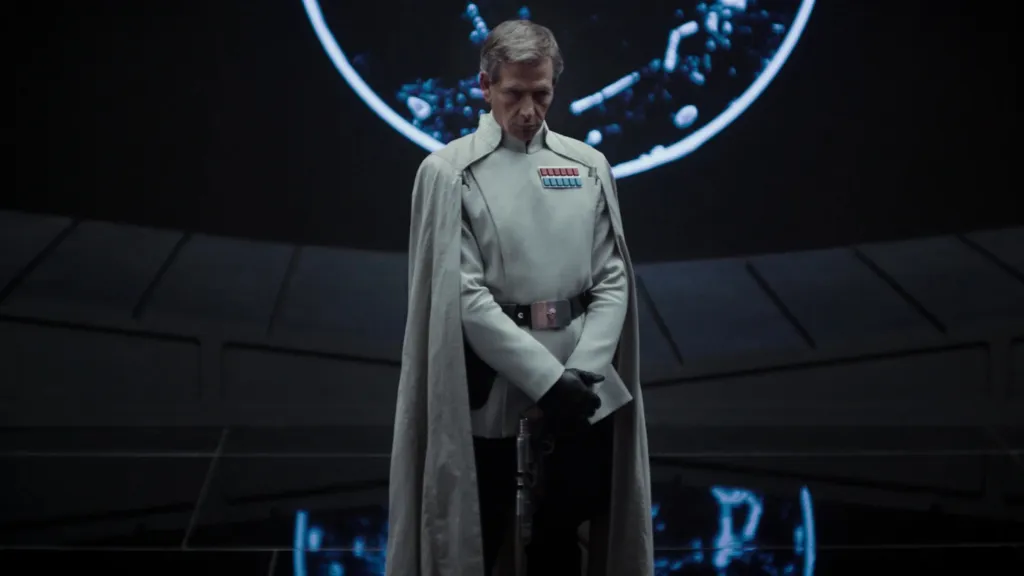
Animated series like Star Wars: The Bad Batch showed audiences a terrifying new viewpoint of the early days of the Empire’s transition, all through the eyes of clones, showing how the “War-Mantle” project paved the way for the Death Star’s secrecy. The Empire’s willingness to take over and oppress entire cities just to keep their technological advancements hidden is not a secret. But this systemic cruelty makes the planet-killing stakes in Rogue One feel like an inevitable conclusion rather than a singular incident.
This broader context makes the Rebel Alliance’s odds against the Empire seem even more desperate and slim. Star Wars: Andor also presents a vivid and harrowing example of how easily lives were snuffed out and how many planetary resources were drained just to lay the station’s foundation with the Ghorman Massacre. By the time the Death Star was fully operational, the true horror is knowing that it was built on the bones of countless worlds and innocent lives seen in the years since the film’s original release.
6) Saw Gerrera’s Radicalization
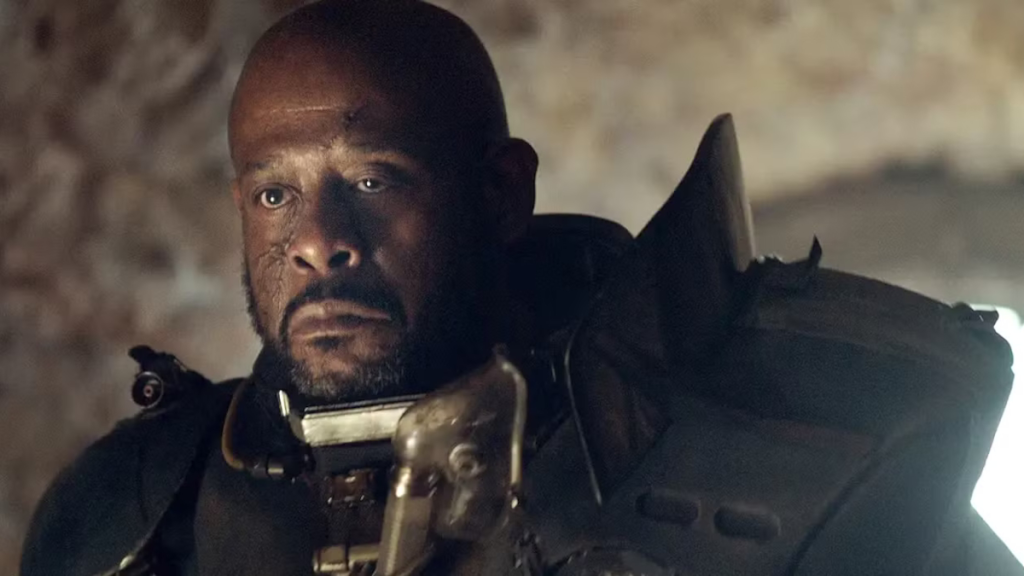
Saw Gerrera—the paranoid extremist—became so much more with his expanded background in Star Wars: The Clone Wars, Star Wars Rebels, and Andor, both of which show his agonizing descent into madness. In The Clone Wars, Saw started as a young freedom fighter on Onderon. But when Rebels and Andor take place (both series occur at the same time, from 5 BBY up to the events days before A New Hope), Saw has slowly lost his humanity, his body, and his allies to his obsession with victory. His fractured relationship with Mon Mothma and the larger cohesive Rebellion is no longer just alluded to like in the film; it’s a central conflict that has unfolded over years.
When Saw chooses to stay behind on Jedha as it is consumed by the superlaser, the moment carries far more weight than it did in 2016. After everything audiences have learned about Saw, starting in his teen years, his resignation as the final act of a man who realized he had become the very thing he fought against hits harder. His death is the tragic end to a story about how war can hollow out even the most righteous of heroes long before the actual fighting stops.
5) Narkina 5’s Industrial Cruelty and True Intention
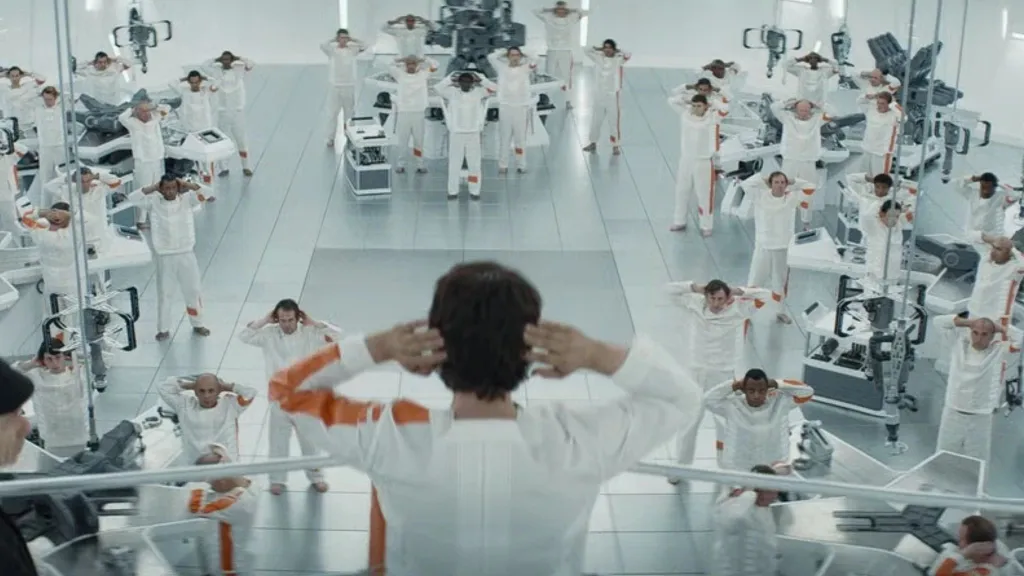
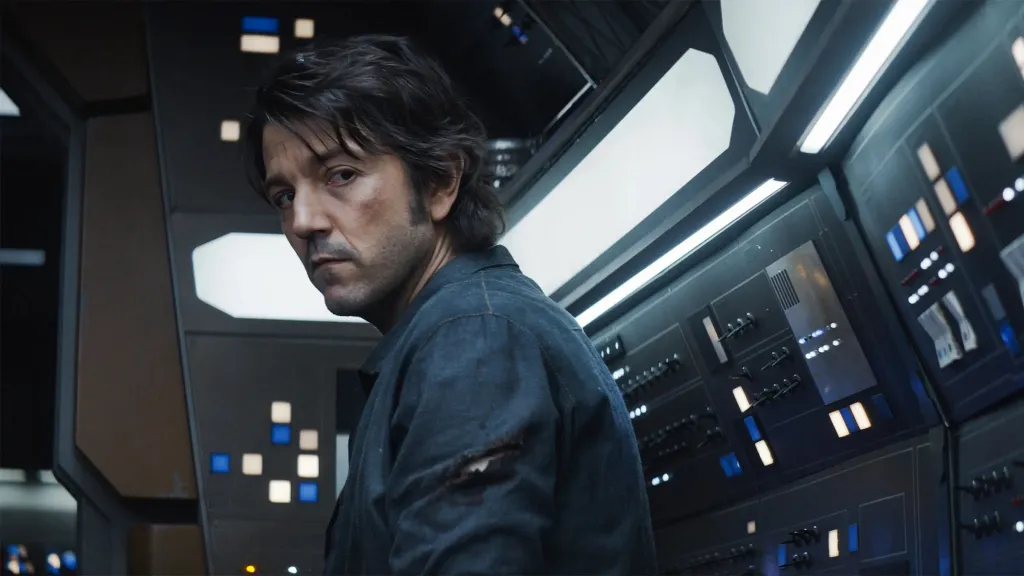
Andor Season 1 introduced one of the most chilling connections to the 2016 film: the realization that Cassian himself helped build the weapon that would eventually kill him. The Narkina 5 prison arc revealed that the parts the prisoners were manufacturing in the Imperial sweatshop were actually components for the Death Star’s primary weapon dish. This poetic (though thoroughly depressing) irony adds yet another layer of tragedy to Cassian’s journey that simply didn’t exist when the movie premiered.