Videos by ComicBook.com
These revelations fundamentally shifted the Skywalker Saga and gave audiences missing context that (retroactively) made the events of the original films feel even more tragic.
10) Kyber Crystals and Lightsaber Construction
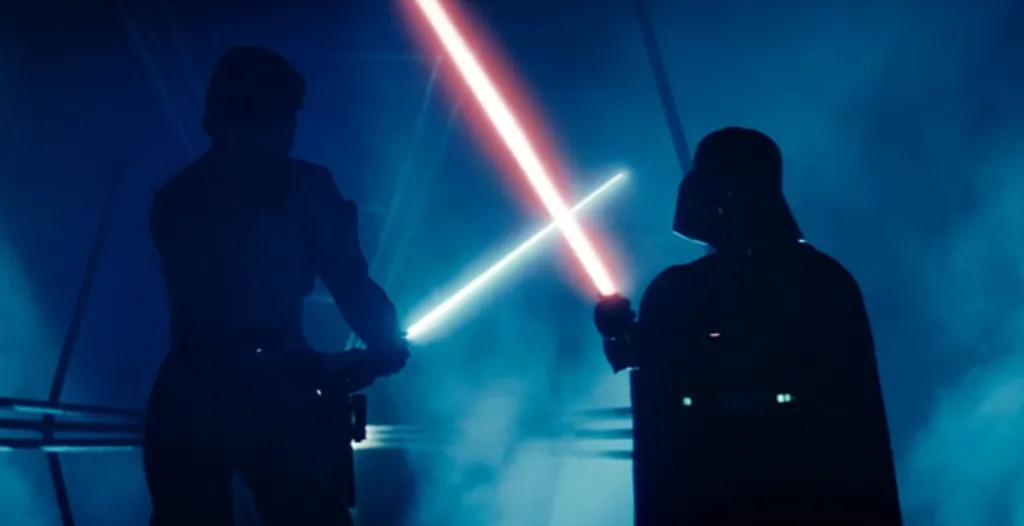
The prequel era first showed us how a lightsaber is truly born, transforming the iconic weapon from a flashy Jedi tool into a piece of lore tied to a deeper connection with the Force. Though seen in the animated series, Star Wars: The Clone Wars, and not the larger prequel trilogy, it was revealed that Jedi younglings would journey to the frigid caves of Ilum to harvest a kyber crystal with their master. The kyber crystal was almost a living object that acted in tandem with its Jedi to focus energy. The color of the blade, previously a stylistic choice for the big screen, was explained as a reflection of the crystal’s initial bond with its user.
The rite of passage for Younglings travelling to Ilum represented the Jedi’s first serious trial: self-discovery and discipline. The kyber crystal, “singing” to the one worthy of it, made the construction of the weapon a deeply personal, spiritual act rather than a technical one. This added a personal stake to every lightsaber duel, as each Jedi had a sacred, intimate connection to their weapon.
9) Qui-Gon’s Belief in the Living Force
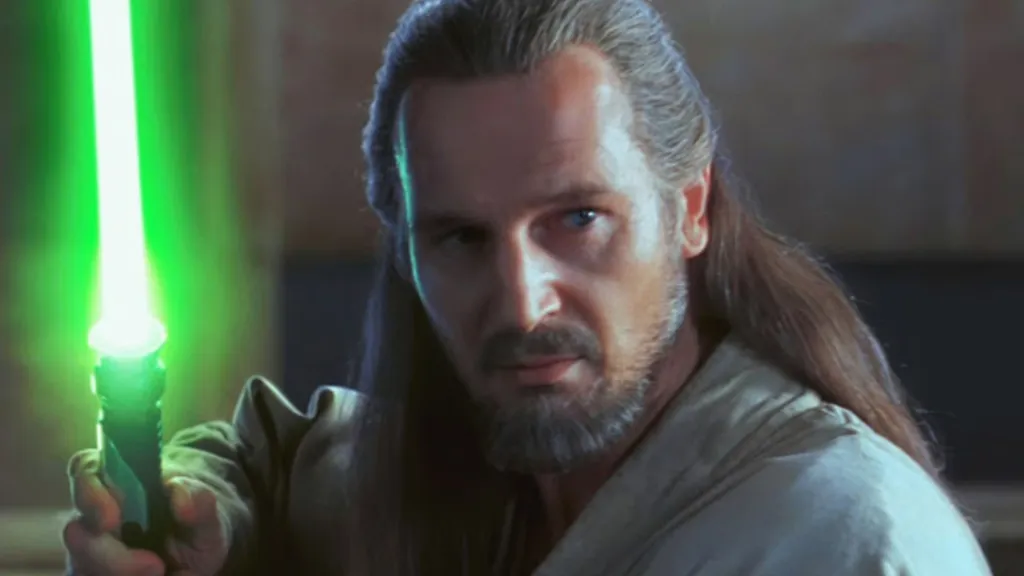
Master Qui-Gon Jinn was an outlier among the Jedi Order with a unique perspective on the Force, seeing it as a living entity rather than an energy source. Qui-Gon’s belief in the Living Force centered on the present moment—the here and now—and the symbiotic relationship between all living things, from the smallest blade of grass to the biggest creature. This grounded, more spiritual view of the Force explained Qui-Gon’s willingness to defy the Council and his open-mindedness that set him apart from other Jedi (even his own Padawan), which ultimately led him to find Anakin Skywalker.
The focus on the Living Force opened up an entire new avenue through which to view the Force and its lore with the concept of the Cosmic Force—the flow that binds the galaxy and offers a Jedi a path to immortality that does not require compromising their morals. Qui-Gon’s unique understanding of the Living Force was proven after his death, as it was his knowledge that allowed him to be the first Jedi to retain his consciousness and guide others, including Obi-Wan and Yoda, toward true immortality.
8) Origin of the Clones
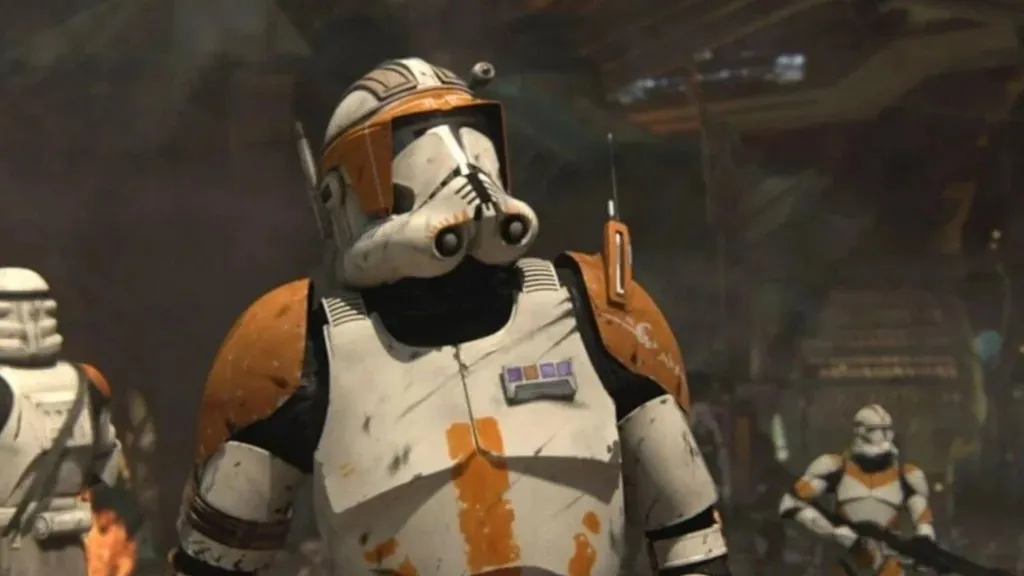
The mysterious Clone Wars were a major event mentioned in the original trilogy by Obi-Wan, who recounted that he served in the conflict with Luke’s father. The prequels answered the question of exactly what the Clone Wars were, who fought whom, and why the conflict started by introducing the vast, genetically engineered army of the Republic. The clone troopers, who donned armor that was nearly identical to the one worn by stormtroopers in the original trilogy, were genetic copies of the ruthless bounty hunter Jango Fett.
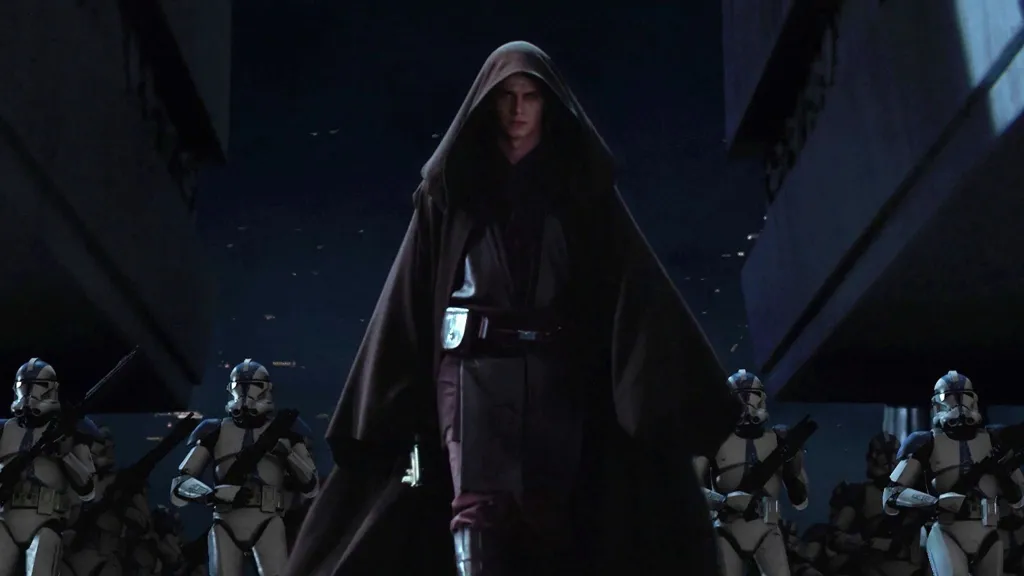
The deep exploration of the Clone Wars in the prequels and the prequel-era series revealed the true tragic irony of the Clone Wars. The Jedi, unknowingly, led an army that was programmed to murder them, creating deep, almost familial bonds with soldiers created for betrayal. The clones’ manufactured loyalty and eventual unwilling execution of Order 66 showed how masterful Palpatine’s planning was and the horrifying effectiveness of his plot to end the Jedi.
7) Anakin’s Birth

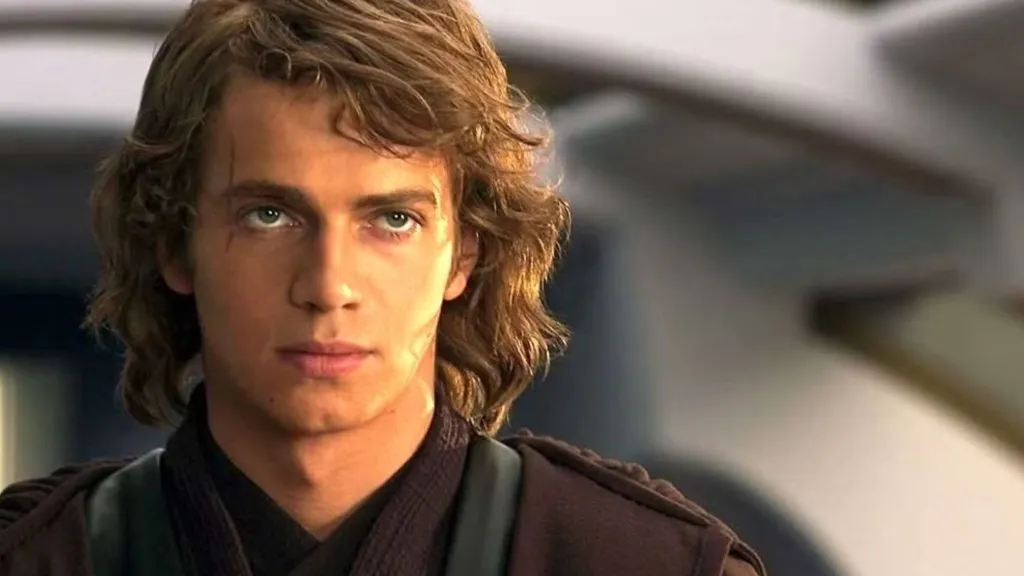
The origin of Anakin Skywalker as a child born without a father—a mystery only his mother could tell—was a massive revelation that solidifed Anakin as the Chosen One. His birth was linked to an abnormally high count of midi-chlorians, microscopic life forms that communicate the will of the Force, which implied a direct, intentional act by the Force itself.
This unique and unnatural birth not only explained Anakin’s extraordinary power and connection to the Force, but also gave weight to the ancient Jedi prophecy in which Qui-Gon Jinn believed. The circumstances surrounding his birth made his eventual fall more tragic, as Anakin’s corruption at Palpatine’s hands could be seen as a dark-sided perversion of a sacred natural phenomenon intended to maintain balance, not spread darkness.
6) Darth Maul

The prequel trilogy reintroduced the terrifying reality of the Sith as a long-forgotten, festering threat to the Jedi Order. Darth Maul’s introduction in Star Wars: The Phantom Menace showed that the Jedi were not prepared for a reemergence of their ancient enemy and had become complacent in a false sense of security for centuries. Maul’s double-bladed lightsaber, speed, and pure intensity made him the first true, physical threat from the Sith seen on screen (chronologically), immediately establishing the Republic era stakes as dramatically higher than even the Imperial era.
Maul’s presence both introduced and answered the continuity puzzle of the Rule of Two—confirming that Palpatine had at least one apprentice before Vader. Though seemingly killed early on, Maul’s sheer hatred for Obi-Wan Kenobi actually kept him alive, as revealed in The Clone Wars, cementing him as one of the most complex and intelligent villains in the entire saga.
5) The Republic in Action
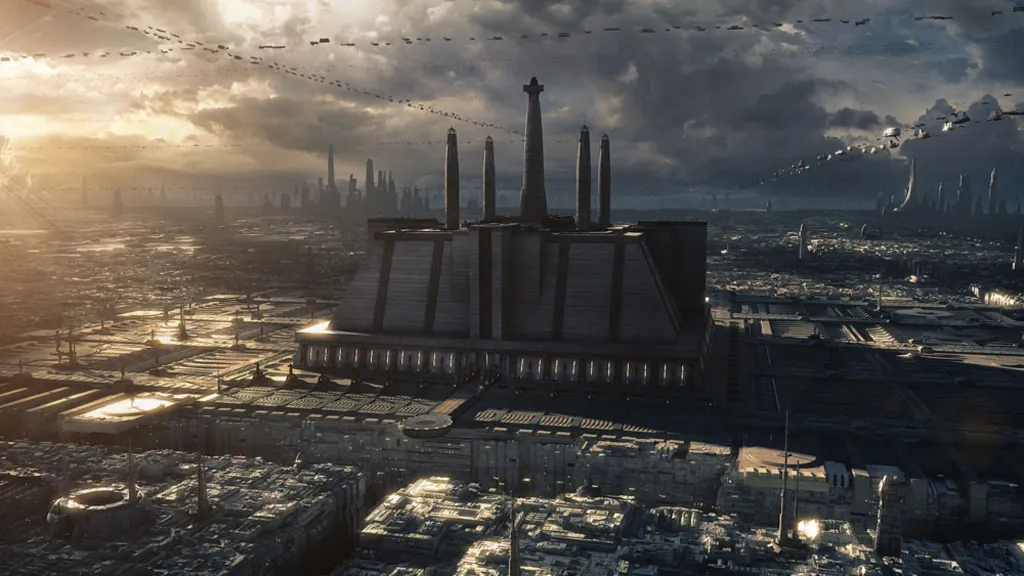
For the first time, fans were treated to seeing the Galactic Republic not as a memory, but as a living, breathing (if flawed) democracy. Its impressive capital, Coruscant, was a tiered metropolis sprawling across the entire planet; a physical representation of its massive scale and class inequality. The Republic’s bureaucracy was not just a weakness but an active flaw that Palpatine used to his benefit.