Videos by ComicBook.com
Their actions were wrong, but their reasons? They might just make you nod along.
10) Queen of Hearts (Alice in Wonderland)
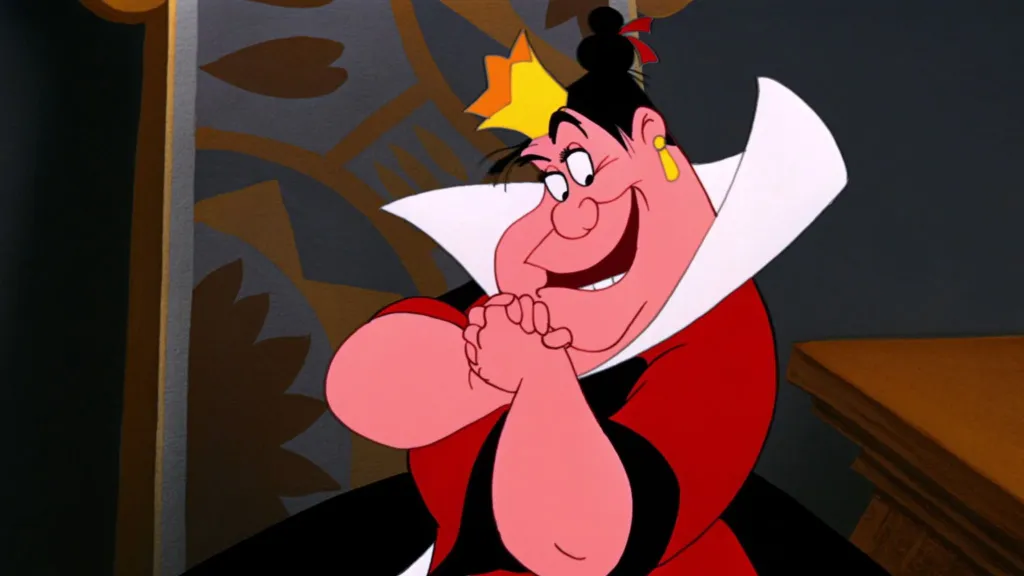
The Queen’s tyrannical reign and obsession with beheadings are infamous, but the basis of her frustration lies in the utter chaos of Wonderland. She is, at least in name, the ruler of a place where nonsense and illogic are the norm and where her own subjects constantly fail to follow simple rules/tasks, like painting the roses red.
In a world governed by madness, the Queen tries to institute some sort of structure, however brutal, to maintain a semblance of order and respect for her authority. While her famous order of “off with their heads” is a drastic overreaction fit for a Disney villain, her desire for order in a realm full of frustratingly unpredictable and disobedient citizens is understandable from a ruler’s perspective.
9) Te Fiti (Moana)
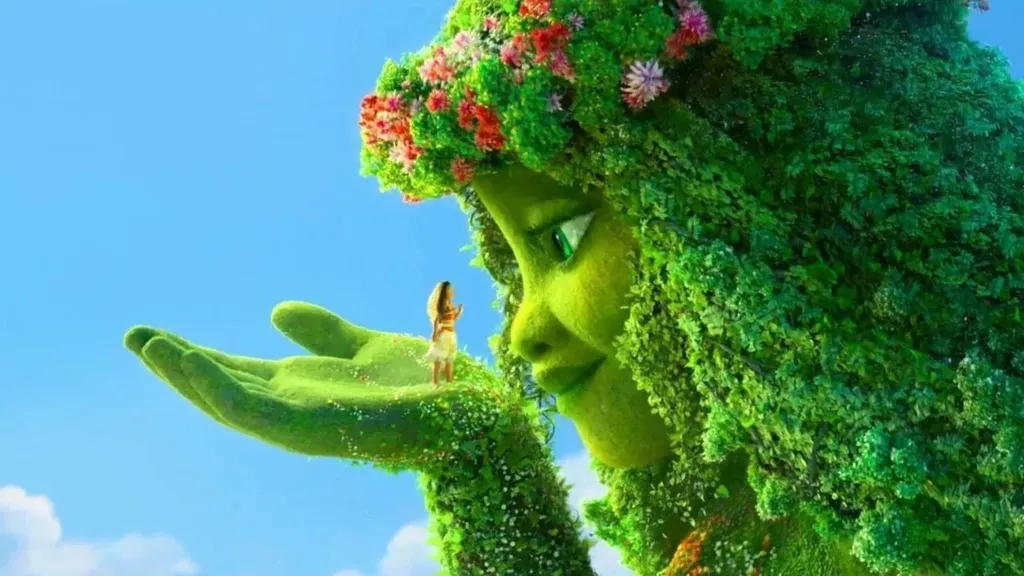
Te Fiti, though ultimately revealed to be a benevolent island goddess, was initially the terrifying lava monster, Te Kā, after her heart was stole. Her rage and destruction were not random acts of evil but a desperate, primal reaction to a deep violation of her very essence. The life-giving heart was ripped from her, destabilizing the natural world.
Her transformation into a destructive force was a direct consequence of loosing her natural essence, which caused decay to spread across the oceans. As Te Kā, she was essentially an immune response from the natural world—a reaction of justified, powerful fury against those who had selfishly taken from her and thrown the world out of balance.
8) Prince Hans (Frozen)
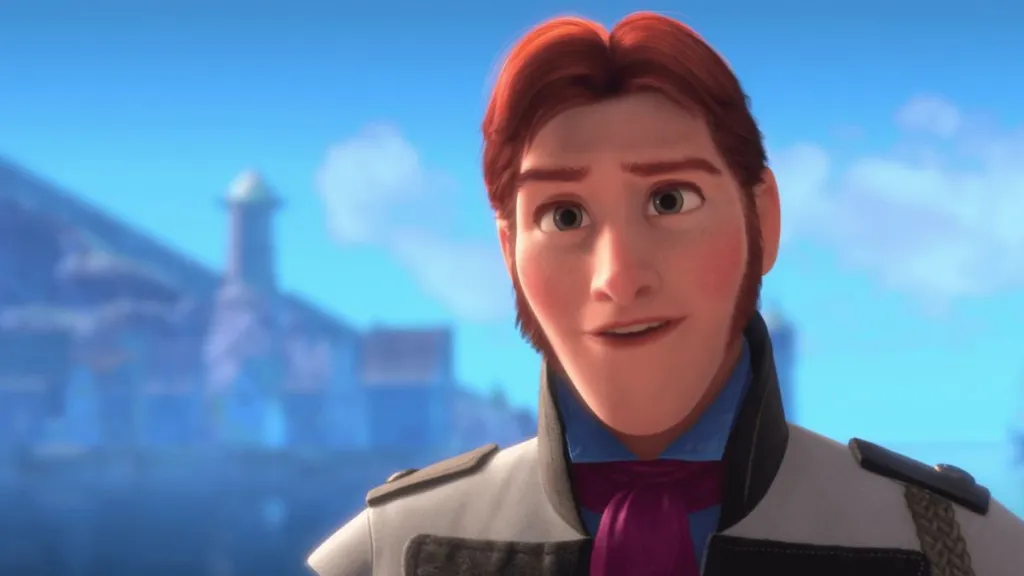
Prince Hans’ primary goal was to seize the throne of Arendelle, though his motivations were not revealed until the climax of the film. While this makes him a greedy opportunist, the truth of the matter is that Arendelle had an incredibly unstable government under its new, isolated Queen Elsa. Her powers were unknown and, on the day of her coronation, she nearly froze the kingdom and then ran away, leaving it in an endless winter.
Hans quickly organized the kingdom’s resources, distributed supplies, and took charge during a sudden, catastrophic crisis when the Queen and Princess were both out of the picture. From the perspective of stabilizing a terrified and frozen nation, a quick, decisive change in leadership was a logical, if self-serving, step to prevent total collapse and prove himself worthy as the youngest of twelve brothers.
7) Mother Gothel (Tangled)
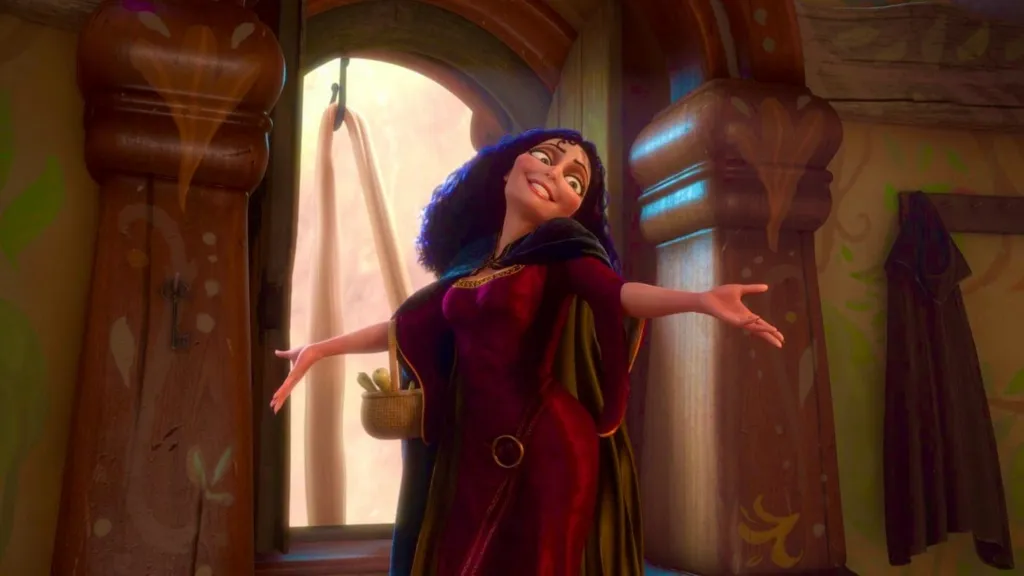
Gothel’s motivation at inarubaly evil, but stems from an intense, primal fear of aging and death. This phobia drove her to desperately protect the magical flower’s power, which granted eternal youth. Rapunzel, essentially the human embodiment of the flower, was simply the means to maintain her immortality.
Kidnapping, lying to, and imprisioning Rapunzel was selfish and cruel, but the core desire to avoid death is fundamentally human. She wasn’t seeking world domination; she just wanted to live forever, which is a concept countless myths and legends explore. In her mind, she was simply safeguarding her “property” and her life source. However, she failed to see that such “property” was a living, breathing human.
6) Dr. Facilier (The Princess and the Frog)
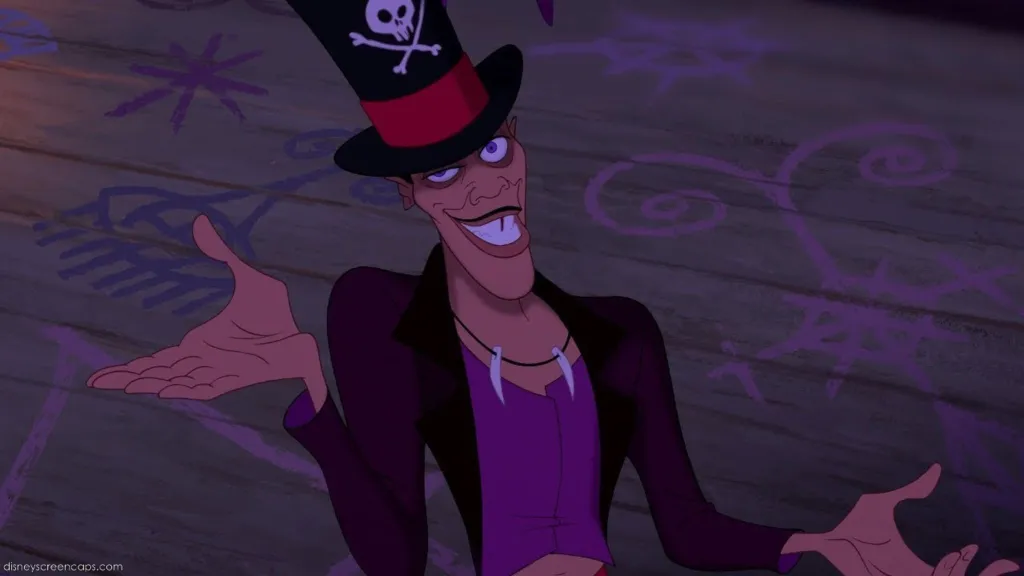
Dr. Facilier, the Shadow Man, was deeply in debt and stuck at the bottom of the social ladder in New Orleans. His ambition was to escape his poverty and accumulate wealth and respect that the elite enjoyed. He sought a shortcut by making deals with his “friends on the other side,” using his magic to manipulate the wealthy and elevate his own status.
His desire to rise above his meager circumstances and achieve the American Dream, albeit through dark arts, manipulation, and deception, is a relatable motivation. He saw magic as the only way to break through the rigid class structure of a bustling 1920s New Orleans—a justified frustration with a system that kept him marginalized.
5) Syndrome (The Incredibles)

Buddy Pine, aka Syndrome, was initially a bright and enthusiastic young fan who wanted to help his hero, Mr. Incredible. When he was brutally rejected and insulted by his idol, his innocence was crushed and the great potential of his talent was dismissed. This rejection went on to spark his later desire for revenge and recognition.