Videos by ComicBook.com
Nine months before Dune: Part Three is scheduled to hit theaters, Warner Bros. has started the marketing campaign, unveiling a series of character posters and the film’s first trailer. Interestingly, all of the promotional materials bill Dune: Part Three as “the epic conclusion” to the series, a fascinating distinction because there are several other Dune books that theoretically could be adapted for the big screen. However, based on the way things are shaping up right now, it looks like the plan calls for the Dune film franchise to end after Villeneuve’s next film.
Why Is Dune 3 The Franchise’s Final Film?
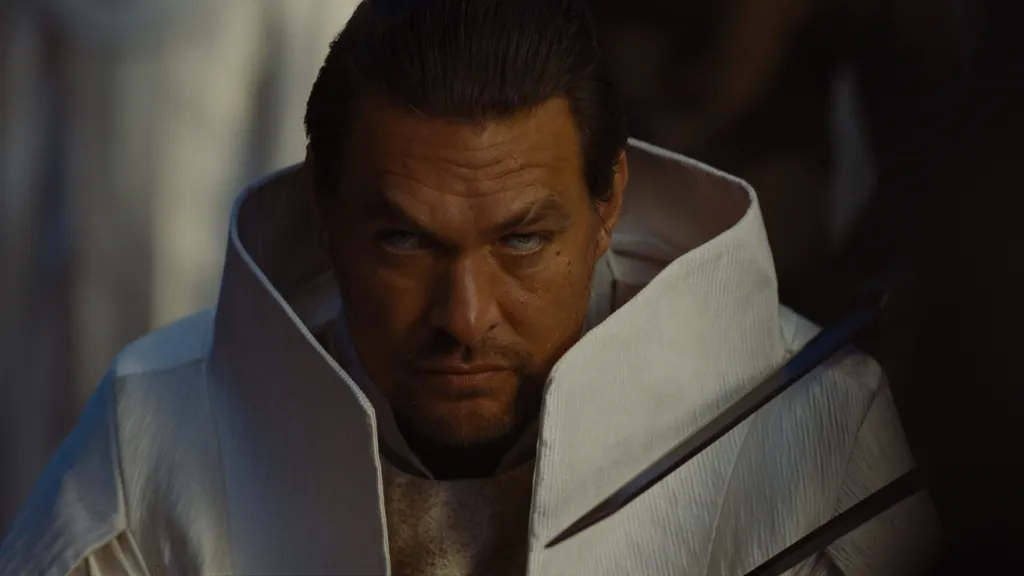
There are a few good reasons for why the filmmakers are stopping things now after three movies. For starters, Villeneuve himself has made clear he intends to step away from the Dune franchise once he has completed work on Dune: Part Three (he’s already lined up to direct the next James Bond movie). This led some fans to wonder if another director could follow Villeneuve’s footsteps and take over as the series’ guiding force, but it’s arguably for the best to wrap it up with Villeneuve’s trilogy. By this point, Villeneuve is so synonymous with Dune that it’s difficult to see anyone else call the shots and clear the incredibly high bar he has set. Through his previous two Dune movies, Villeneuve has proven himself a master of translating Frank Herbert’s text to the big screen, which is no easy task.
Even more so than Villeneuve’s future career plans, Herbert’s text is likely the main reason why Dune is (seemingly) ending this year. The Dune sequels Herbert wrote were increasingly strange and would prove to be extraordinarily difficult to adapt to a big-budget feature film positioned as a main tentpole for a major Hollywood studio. As the Dune novel series progressed, concepts introduced included Paul Atreides’ son Leto II becoming a human-worm hybrid who rules as emperor for centuries and dominatrix nuns who look to enslave men. It’s not exactly palatable material for a sci-fi blockbuster hoping to appeal to a wide, general audience (ideally with a PG-13 rating). And that’s before you factor in that many of the characters viewers are familiar with are absent from these books, which would make film adaptations an even harder sell.