Videos by ComicBook.com
Sunshine is not nearly as focused on delivering bombastic set pieces as it is showing a diverse group of individuals engaging in a last-ditch effort to save the planet, and how that affects them on a personal level. That is, right up until it takes a hard left turn to a subgenre that was never particularly respectable in the critics’ eyes.
Where Does Sunshine Falter?
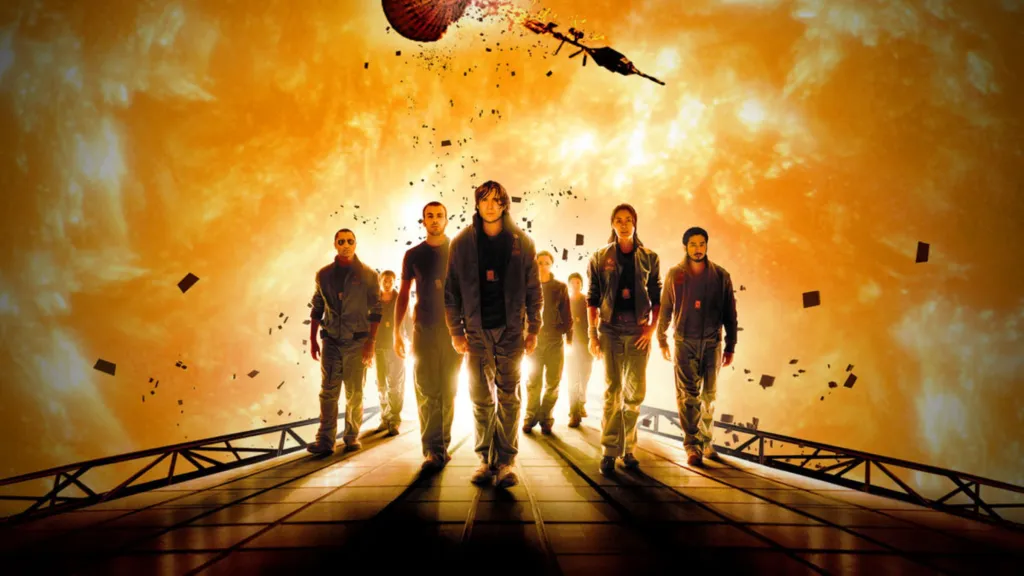
The core concept of Sunshine couldn’t be more compelling. It’s 2057, the Sun is on its way out, and there was a failed attempt a few years back to send a bomb into the Sun, thusly reigniting it and keeping the Earth from becoming a popsicle. And now, considering that voyage wasn’t a success, a new group of astronauts from the world over are sent to attempt the feat once more.
Things get more interesting for the crew when they receive a distress call from their predecessor, Icarus I. Some believe that, were the Icarus II to find the Icarus I, it could get a second payload to use. Others believe that it’s better to just go straight for the sun with the bomb they have.
The film is tense enough with the squabbling democracy aboard the Icarus II, but then some curveballs are thrown at the audience and the crew, all of which are effective. There is some human error on the part of Benedict Wong’s navigator, Trey, which costs the life of Hiroyuki Sanada’s ship captain, Kaneda. When they find the Icarus I and board it, there’s more conflict amongst the group members about who should use the one available spacesuit. Then there isn’t enough oxygen for the remaining five crewmembers so they have a vote on who should be, well, voted off the island (though the one who is voted out has ended up doing the deed for them).