Videos by ComicBook.com
This was never clearer than during the 1980s, when the Cold War was at its most worrisome and yuppie society began exploring scientific fields that many believed would lead to the end of humankind.
The 1980s Sci-Fi Movies Showcased a Fear of the Unknown
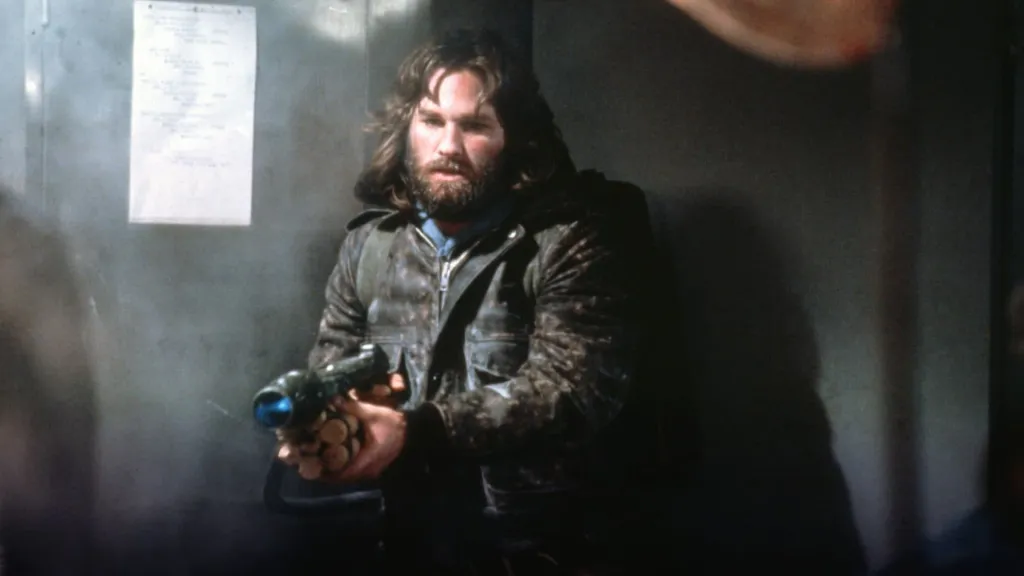
One of the last great sci-fi movies of the 1970s paved the way for several 1980s films that followed a similar theme. That was the remake of Invasion of the Body Snatchers in 1978, which followed humans realizing an alien invasion was underway as the aliens captured people and took their place. This was all about Cold War fears, which held the country’s attention for over four decades.
In the 1980s, that theme continued with sci-fi horror movies like John Carpenter’s The Thing and his later cult classic They Live. In the first one, the alien was taking people’s places, but in a much more violent, horrific manner. In the second, the aliens had already taken over and were leading the country via propaganda and subliminal messages. Both movies preyed on the audience’s fear of an unknown presence trying to take over their lives. They Live went one step further and claimed it has already happened thanks to television, news, and media.
The decade also saw a rise in dystopian sci-fi movies, as people sought to tell stories about what would happen if the U.S. government gave way to fascism and a dictatorship. Movies like Escape from New York showed a world where the government basically threw out criminals, leaving them to survive on their own in a prison town in Manhattan. The Mad Max franchise continued, showing what would happen if humans kept depleting Earth’s resources. Videodrome was a body-horror film that explored the fear of technology as television became increasingly prevalent in people’s lives.
Mad Scientist Movies Were Still in Demand
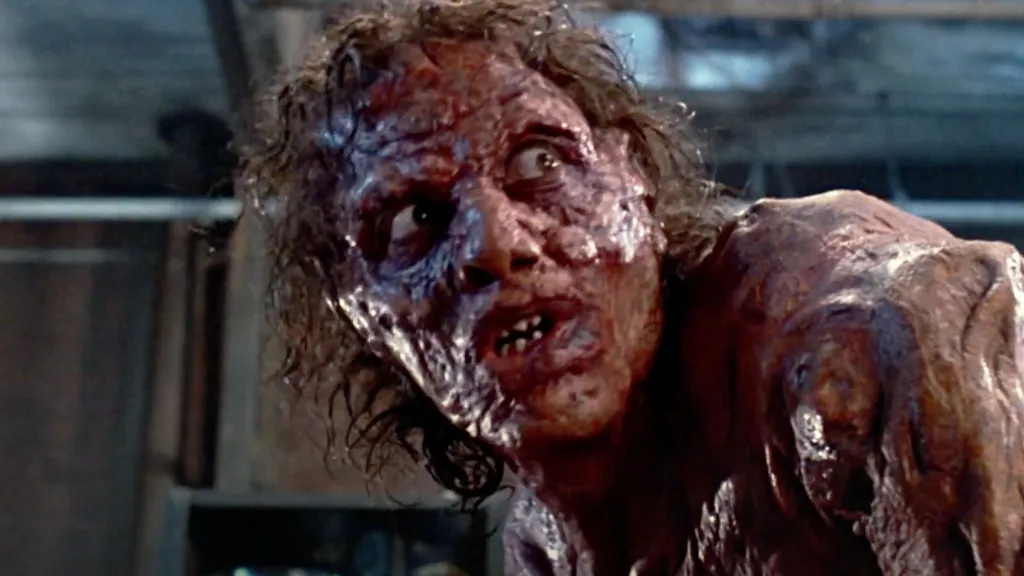
While alien-invasion movies and the sense of other beings trying to take over our lives were popular in the 1980s, there was also a rise in mad-scientist films similar to those from classical sci-fi Hollywood storytelling. This was never better than when David Cronenberg set out to remake a classic horror movie called The Fly. What resulted was a movie superior to the original in every way, as Jeff Goldblum played Seth Brundle, a scientist who created a teleporter. However, it all went wrong when he teleported with a fly, the journey causing the two to fuse. When Brundle began to turn into a giant fly creature, it was disgusting body horror with a message about not overstepping the bounds of science.
At the same time, two of the 1980s’ biggest blockbuster sci-fi movies also had a lesson about the dangers of science. The first was Aliens, the sequel to a 1970s horror movie, Alien, which showed what would happen when a company puts its race for scientific discovery above the value of human lives. The second was a James Cameron movie called Terminator, which showed what happens when humans rely so much on computers that they let them take over. With the rise of yuppie culture and the ’80s race to the top, it was easy to see how these sci-fi movies about the dangers of big business and tech would also rise.