Videos by ComicBook.com
But here’s the catch; even the right decision can have unforeseen consequences. It’s entirely possible for a good choice to have a negative impact further downstream, reshaping and even distorting a franchise’s overarching story. Sadly, that was the case with The Empire Strikes Back; “I am your father” did unexpected damage to the Star Wars narrative as a whole, and Rian Johnson’s The Last Jedi is actually a subtle response to that. In a tragic irony, it’s one major reason the fans hated it.
The Empire Strikes Back Abandoned A New Hope’s Greatest Theme
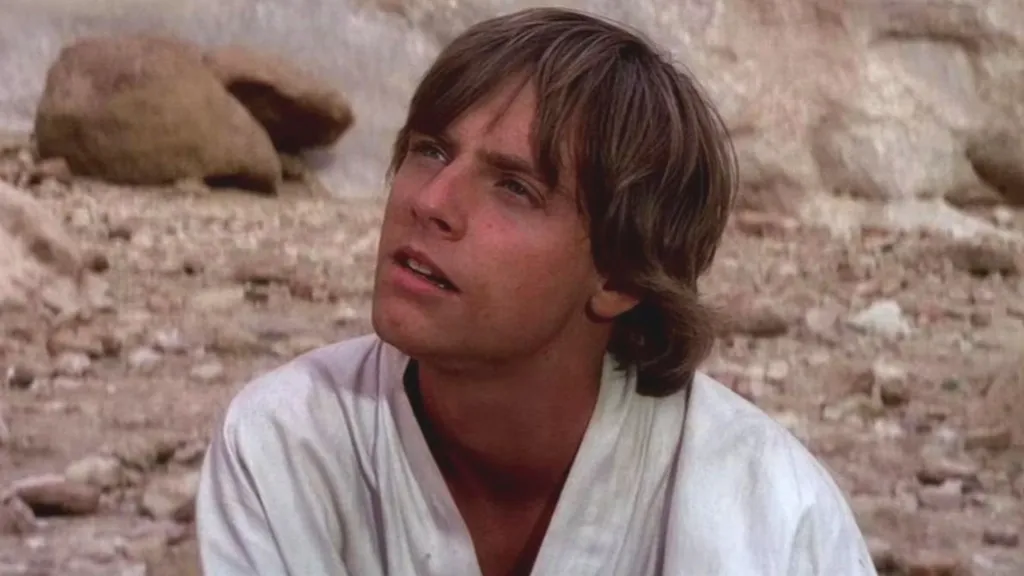
The Empire Strikes Back is generally seen as the best Star Wars movie of all time, and with good reason. But it achieves this by abandoning Lucas original intention for Luke Skywalker, who was presented as a classic everyman hero. The Luke Skywalker of the first Star Wars film is essentially wish-fulfillment, an ordinary human being who discovers he has the power to wield the Force and change the fate of the galaxy. The core message was that military and technological might doesn’t shape history; no, ordinary human beings who step out of the shadows and achieve the impossible are the real history-makers.
It’s a message of empowerment, but The Empire Strikes Back began to set Star Wars on a very different path. Suddenly Luke wasn’t an everyman hero after all; rather, he was part of a single bloodline who shaped the galaxy. Lucas unwittingly doubled down on that decision in Return of the Jedi, which revealed that another history-maker – Princess Leia – shared Skywalker blood as well. Lucas began to talk about the “Skywalker saga,” unintentionally underlining the thematic change.
Looking beyond The Empire Strikes Back, the prequel trilogy confirms this reading. The entire saga is refocused around Anakin Skywalker not Luke, and he is the Chosen One, a Messianic figure rather than an everyman hero. This retroactively rewrites Luke and Leia, revealing they matter not because they are ordinary human beings who strive for greatness, but rather that they are inheritors of the Chosen One mantle. Lucas’ sequel trilogy plans would have meant Leia became the true Chosen One, fulfilling her father’s destiny.
Rian Johnson Tried to Bring A New Hope’s Biggest Theme Back
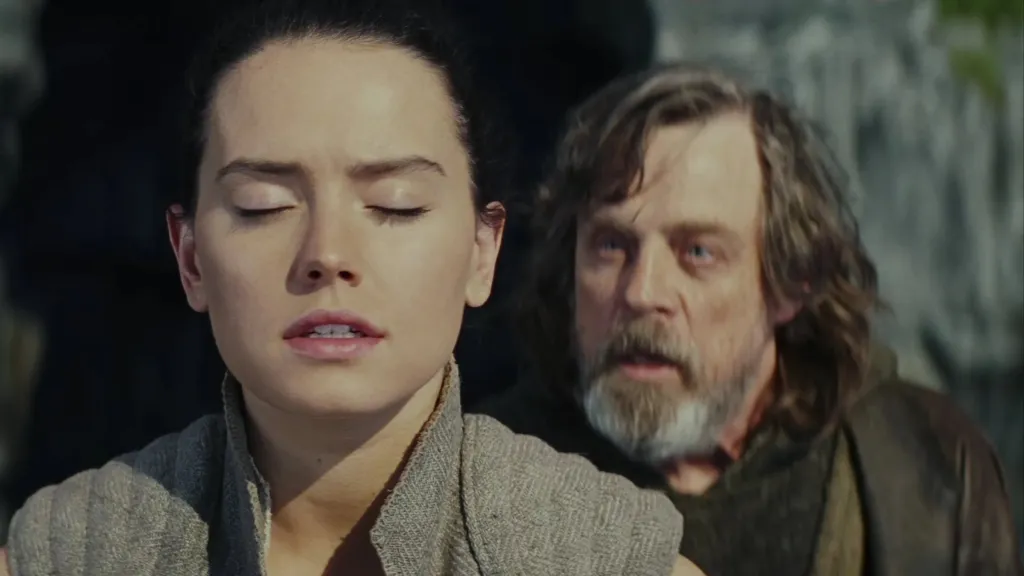
To be fair to Lucas, none of the symbolism seems to have been intentional. It fell to Rian Johnson to wrestle with this issue in The Last Jedi, positioned as Empire Strikes Back of Disney’s sequel trilogy. His film wrestles with the tension between the Chosen One and the everyman hero, treating Luke Skywalker as a disillusioned hero who knows he can’t save the galaxy by storming in waving a lightsaber like a magic wand. Johnson’s script encourages us to interrogate our desire for a Chosen One, a savior figure who will defeat our enemies for us, instead stressing that power and agency lie in ordinary people.
Nowhere is this theme more visible than in The Last Jedi‘s “Rey Nobody” twist. The Force Awakens set up Rey as the next Luke Skywalker (not least in the mirroring of a desert planet origin). But it also added a wrinkle, that Rey had been longing for her parents’ return, and the fandom eagerly theorized that Rey was part of another dynasty. Johnson realized that no dynastic answer would actually be emotionally satisfying to Rey, not least because she had no knowledge of established characters like Obi-Wan Kenobi; these reveals would have lore impact, but wouldn’t matter to the character.
Instead, The Last Jedi doubles down on A New Hope‘s everyman theme by revealing Rey is… nobody. Her parents were nobodies; she isn’t great because she’s inherited greatness, but she can become great because of the choices she makes. The scene is set up as a mirror of Empire Strikes Back‘s “I am your father” reveal, but it achieves the exact opposite, moving Star Wars away from the Chosen One themes and back towards the everyman. And, ironically, the fandom went ballistic over it.
The Star Wars Fandom Won’t Accept A Reset
The rest is history. The Star Wars fandom wasn’t willing to accept this reset, rejecting “Rey Nobody” with fury because the dynastic approach is now integral to the Skywalker saga. Lucasfilm panicked, pivoting back and instead revealing Rey was actually the grandfather of Emperor Palpatine. Whether the studio saw this as a rejection of Johnson’s vision or not, it certainly dismissed everything he had tried to accomplish with “Rey Nobody.”
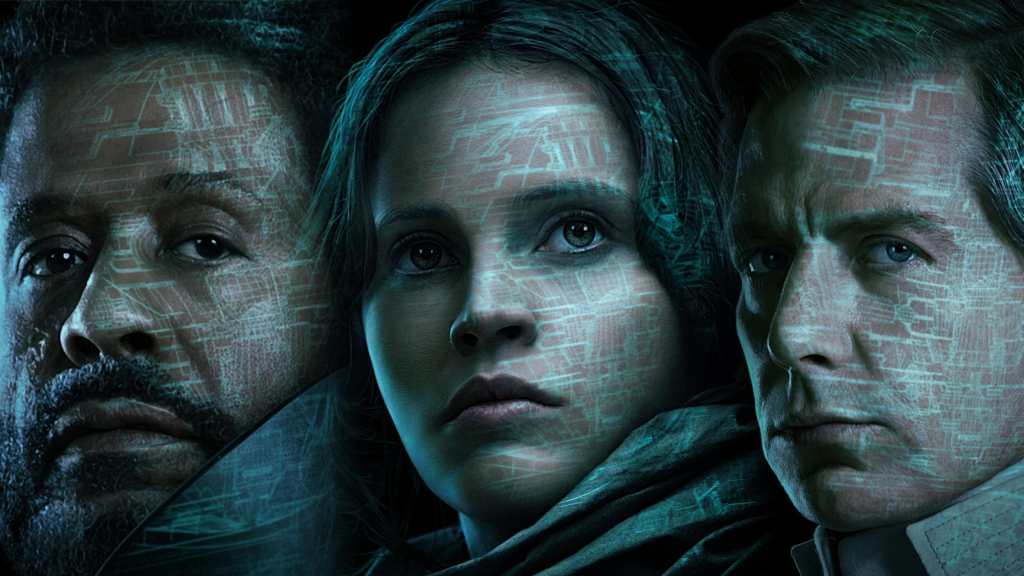
But here’s the irony; it has since become abundantly clear that the everyman theme of Star Wars is what people are most interested in. We live in an age of supposed “Great Men” of history, men (somehow, it’s always men) who believe they stand astride the world like a colossus. It is fitting that, in this age, the best Disney Star Wars movie is Rogue One and the best Star Wars TV show is Andor. Lucasfilm has spotted a smart way of having its cake and eating it; leave the “Great Men” to the Skywalker saga, and otherwise tell tales of everyman heroes.
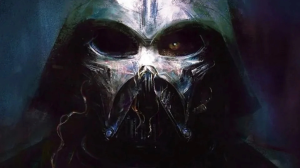
Looking back, the end of Rogue One seems so very appropriate. Everybody loves it because of its Darth Vader cameo, a hallway scene like nothing we’ve had in Star Wars before, but we tend to miss the one staggering fact: for all his power, Rogue One shows that the Chosen One fails when he is faced by ordinary people who are willing to sacrifice everything to defeat him. He kills the rebels, it’s true, but he loses the Death Star plans. When Darth Vader fails, he proves that the real history-makers in the galaxy are still everyday people.
George Lucas’ own reaction to Disney Star Wars has been mixed, but he’s known to have loved Rogue One; Lucas gave Tony Gilroy a 45-minute phone call that he described as being “like a call from the president.” It’s no wonder Lucas liked it, because Rogue One restored the themes that had been inadvertently diminished in the Star Wars franchise as a whole. That, fundamentally, is why Rogue One was still a story of hope – because it was all about empowering ordinary people, not the Great Men of history.
What do you think? Leave a comment below and join the conversation now in the ComicBook Forum!