There, you could feel that even in a modest format, this thing had epic ambitions. It was almost like a manual on how to adapt a dense book without losing yourself in the universe itself. And it’s pretty cool to see that today, a globally anticipated movie is set to take a similar approach in the same universe.
Frank Herbert’s Children of Dune Managed to Adapt Book 2 and Book 3 of the Dune Saga
image courtesy of syfy
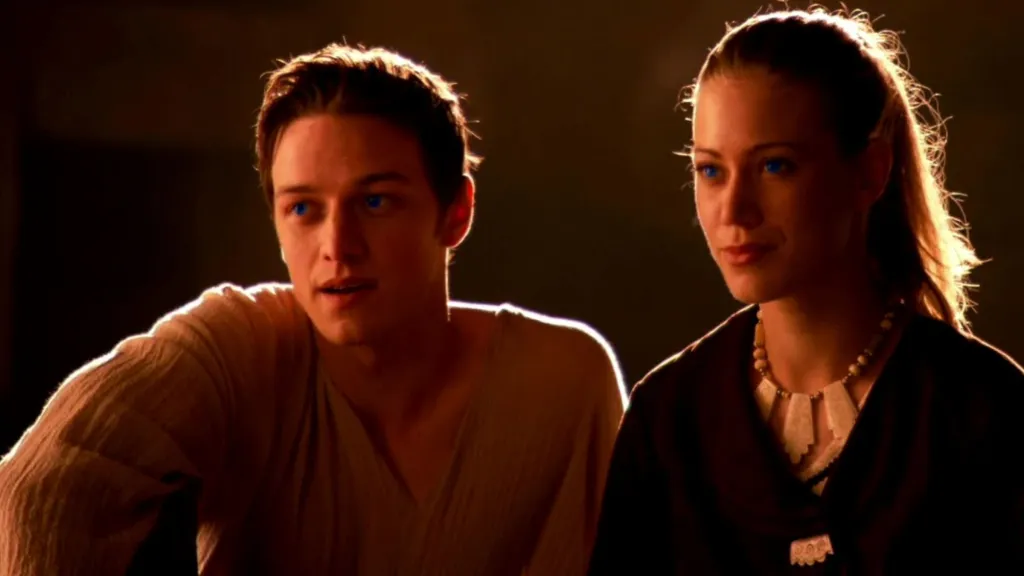
Very few people today know about the show Frank Herbert’s Children of Dune, especially since the whole Dune franchise only became widely known in the past few years thanks to Denis Villeneuve’s films. But it’s honestly a masterclass in how to properly tackle an adaptation of this entire story, because once you get into the third book (Children of Dune), it becomes way harder to translate perfectly to the screen. To handle that, the series understandably leaned into material from the second book (Dune Messiah), creating a single narrative out of both. But how exactly did it do that?
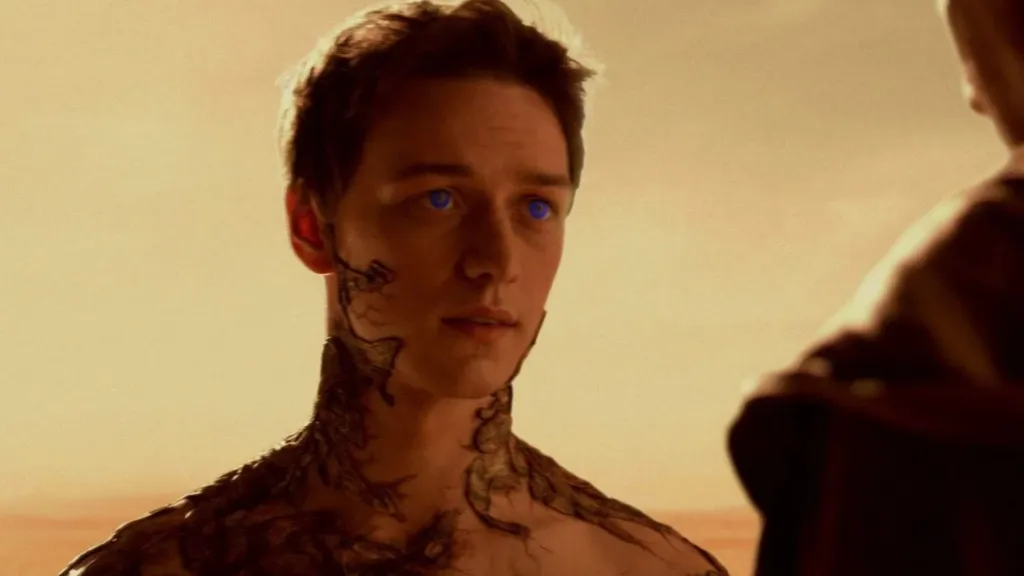
The miniseries focuses on Paul Atreides’ (Alec Newman) twin children, Leto II (James McAvoy) and Ghanima (Jessica Brooks), as they face all the political maneuvering and threats — all while bearing the pressure of upholding their father’s legacy without losing their sense of self. And to make everything work, the structure was split into three episodes: it starts by covering the core narrative of Dune Messiah, with Paul already in power as emperor, facing political conspiracies, the Tleilaxu’s involvement, and his eventual fate. This first part functions almost like a mini, faithful adaptation of the book, without getting bogged down in minor subplots. Then, the show dives into the events of Children of Dune: the twins, now adults, dealing with succession issues, manipulations from Alia (Daniela Amavia) and the Bene Gesserit, and the ongoing threat of House Corrino.
image courtesy of syfy
The one detail that changes is the choice to age the characters up significantly, but that helps give the story momentum and dramatic impact, because those political and religious tensions that are crucial to the plot don’t have to be built up over years to make sense to the audience. But overall, this trick of knowing how to split the two books helps Frank Herbert’s Children of Dune blend action and strategic dialogue with tension in the most ideal way for this adaptation. It knows where to cut and where to simplify, while still respecting the essence of the source material. Fans who watched it were very satisfied, since what seemed impossible to adapt actually worked surprisingly well.
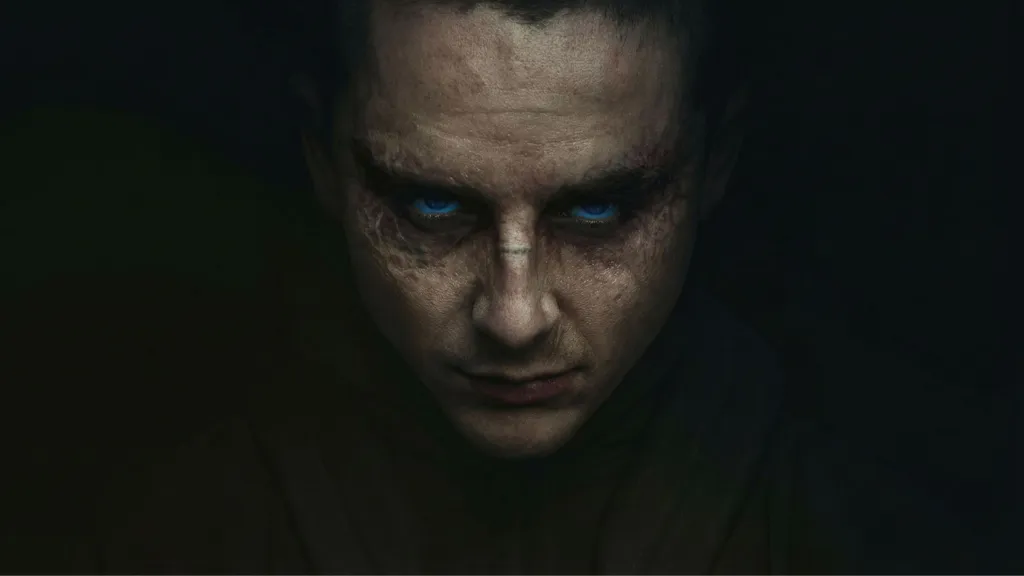
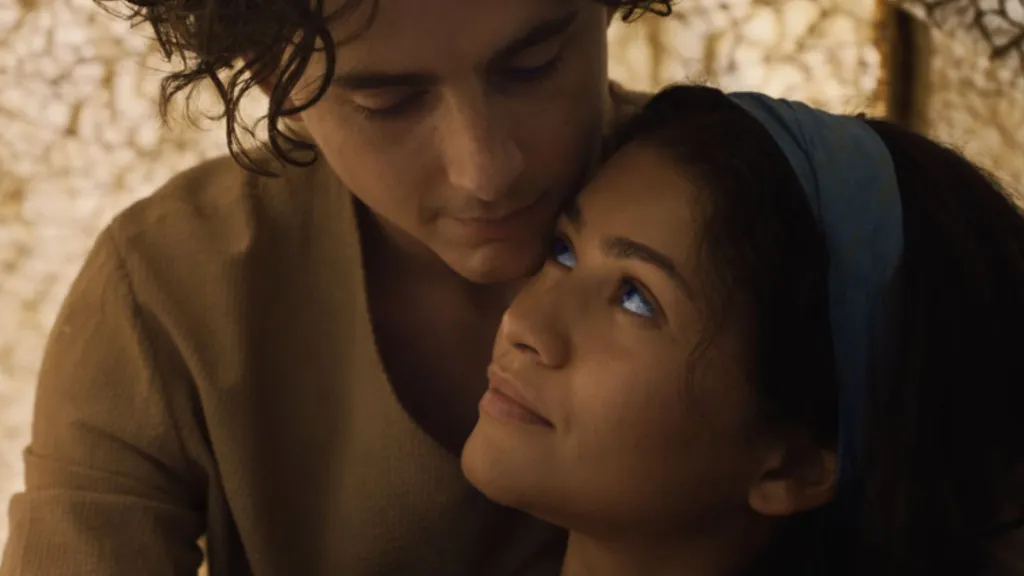
And it’s thinking about this miniseries that you have to talk about Dune: Part Three, because the epic conclusion of Villeneuve’s franchise is officially going to be based on Dune Messiah. However, even though all the details are still under wraps, if you take into account the trailer, the adjustments the director has decided to make relative to the books, and the casting of Nakoa‑Wolf Manakau and Ida Brooke as Paul (Timothée Chalamet) and Chani’s (Zendaya) children, we’re likely going to see some elements from the third book as well.
How Dune: Part Three Might Repeat the Trick of Frank Herbert’s Children of Dune
image courtesy of warner bros.
Looking at Dune and Dune: Part Two, you can already get a vague sense of where Villeneuve wants to take this story. With the third movie, he’s not just trying to adapt the second book literally (which, on its own, is more introspective and political than any blockbuster would ideally be), but also to condense, reorganize, and expand the scope to create something that works for both Herbert fans and general audiences. And that’s basically the same logic the show used: take texts that are way too dense and turn them into a coherent, high‑impact narrative — but now with a Hollywood budget.
And what makes this interesting is that Dune Messiah by itself is complicated to adapt. There’s almost no action, tons of politics and philosophy that are great in the book, but potentially boring in a two‑hour movie if not paired with something else. That’s why in the Dune: Part Three trailer, we already see this kind of approach, along with scenes that clearly show that the movie is going to be active most of the time. So it looks like the director’s plan is basically to repeat what Frank Herbert’s Children of Dune did: boost the pace, expand the story, and include characters that have major importance later in the saga, but also indirectly in this new part.
image courtesy of warner bros.
We don’t know exactly how Leto II and Ghanima will appear in the new production (possibly through prescience or an epilogue). But regardless of how it happens, they’re important right now because of what they symbolize and what’s coming next, given the weight of Paul’s arc ending. They’re obviously a bridge to continuing the story, but they also remind us that the protagonist wasn’t ruling only for the present; he was ruling for the fate of the next generation. That introduces the theme of legacy and the almost impossible expectations placed on them in the future. It also lays the groundwork for showing that the twins are exceptional, potentially evolving beyond normal human limits (even if Villeneuve doesn’t intend to continue the saga into a fourth installment).
Plus, this helps you understand Villeneuve’s brilliance too: he’s figured out how to adapt a massively complex saga that for a long time was thought impossible to translate to the screen. But it’s interesting to see that, for the franchise to move forward, Frank Herbert’s Children of Dune had to do its thing way back then. Not that the director is literally drawing inspiration from the show, since he’s a filmmaker with his own interpretation of the saga and clearly prefers to follow his own path. But it’s nice that this trick from the series might get repeated now in a much grander, cinematic way — exactly how a Dune adaptation deserves.
Dune: Part Three hits theaters on December 18.
What do you think? Leave a comment below and join the conversation now in the ComicBook Forum!