Videos by ComicBook.com
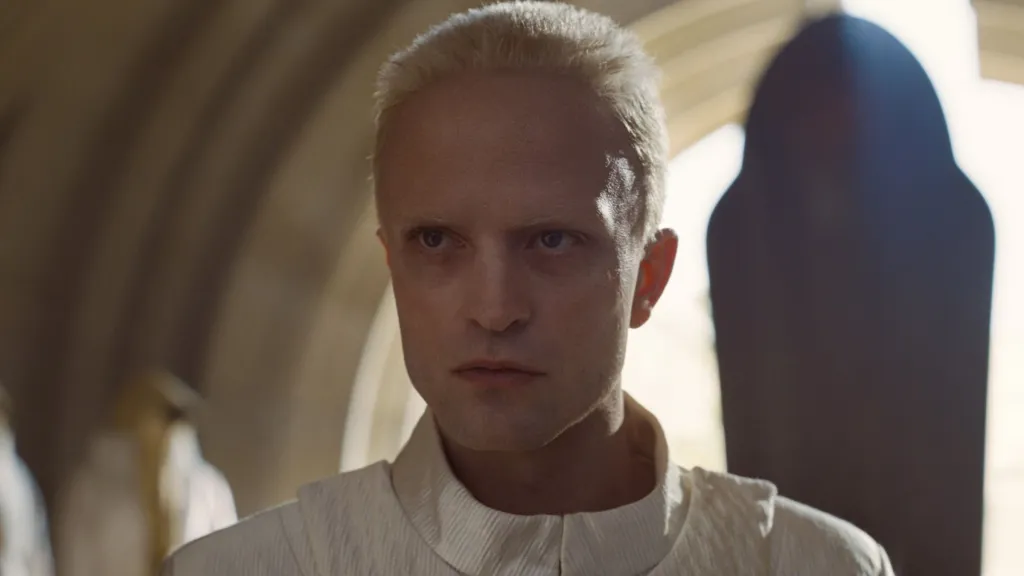
The beauty of the Dune universe has always been that danger isn’t just physical, but psychological, political, and emotional. And this is exactly the space where a new figure, Scytale, comes in: he’s not a huge, bombastic villain, but someone capable of turning the story on its head without ever really being active. Robert Pattinson is officially cast as that character, and sure enough, we’ll soon see him as the opposing force to Paul. But until then, there’s a curiosity about who he really is and what role he plays in the plot. What should you actually expect from Scytale in Dune: Part Three?
Who Is Scytale in the Dune Saga?

To be blunt, nobody really knows what to expect from this villain. In Frank Herbert’s books, he’s a Face Dancer of the Tleilaxu — and if you think that’s just some goofy disguise thing, you’re wrong. The Tleilaxu are a faction masterful in genetic engineering and biotechnology, and one of their creations is the Face Dancers, who can literally transform into anyone, with perfect voice, appearance, and mannerisms. That means Scytale’s threat is invisible, unpredictable, and personal, so you never really know if you’re dealing with him or someone you trust. Anyone who’s seen Dune: Prophecy already has a rough idea of how that works. And it’s this kind of tension that’s going to push Dune: Part Three into a much higher gear than anything we’ve seen so far.
For viewers who thought the saga was mostly about battles, this next installment will prove that it’s also about turning a simple dialogue into a minefield.
But why does Scytale matter so much? In the books, he appears mainly in Dune: Messiah, the second book in the saga (which the new movie will be based on). More specifically, he is part of a conspiracy involving the Tleilaxu, the Bene Gesserit, and the Spacing Guild to take down Paul (now emperor) using psychological manipulation and emotional blackmail. To avoid spoilers, let’s just say there’s a high point in his plan that has the potential to really get into the protagonist’s head because it involves another character. But he offers Paul a solution — an emotionally impossible one. He does it because he wants the emperor gone, no matter what. And if that solution is refused, then he has a threat up his sleeve.