Videos by ComicBook.com
For the most part, director James Cameron and his team rise to the challenge. Avatar 3 is the most visually stunning installment of the franchise yet, and delivers a fitting finale to the journey that so many moviegoers have embarked on. That said, Avatar: Fire and Ash is also a deeply problematic movie – especially when it comes to the ending that Cameron chose for the film, and the thematic implications it creates.
Avatar: Fire and Ash Overplays The Franchise’s “White Savior” Theme
The Avatar franchise has been the subject of debate from the moment the first film was released in 2009. Comparing Cameron’s so-called “original story” to previous films like Dances With Wolves, Pochahantas, or even Fern Gully was the surface-level reaction from a lot of film fans; the deeper discourse, however, came from cultural critics, who pointed out that Cameron was stradling a tricky line between celebrating indigenous people and their cultural views and practices, and immersing himself (figruatively and literally, in 3D) in a “white savior” fantasy tailored for the 21st century.
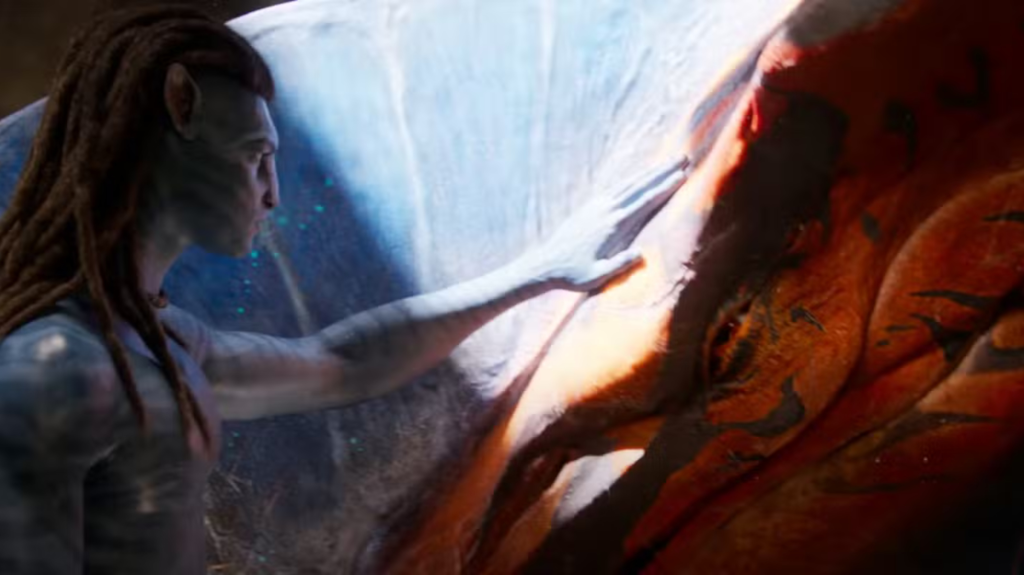
(SPOILERS FOLLOW) Avatar: Fire and Ash erases all debate and doubt about which side of the line Cameron’s trilogy lands on: the wrong side. By the end of Fire and Ash, the count of white saviors has jumped from one (Jake Sully) in the first film to three (Jake, Kiri, and Spider) in the third film. The final battle for Pandora has Jake choose to step back into his role as “Toruk Makto” to lead the Na’vi in battle as the warrior of prophecy; Kiri becomes the spiritual avatar of Eywa, the god of Pandora, and summons the beasts of the planet to defend their world.