Of course, Gosling should have been cemented as a major box office draw years ago. Two of his biggest bombs were titles that saw him operating in a space similar to Project Hail Mary. In 2017, he headlined legacy sequel Blade Runner 2049, which made only $276.6 million worldwide against a budget somewhere between $150-185 million. A year later, Gosling portrayed Neil Armstrong in the biopic First Man, which underperformed with a haul of $105.7 million globally. It’s a shame these films fared so poorly at the box office because they’re both excellent, and with Project Hail Mary dominating the charts, now is the perfect time to revisit Gosling’s previous forays into sci-fi and space.
Blade Runner 2049 Is One of Hollywood’s Best Legacy Sequels
Image Courtesy of Warner Bros. Pictures
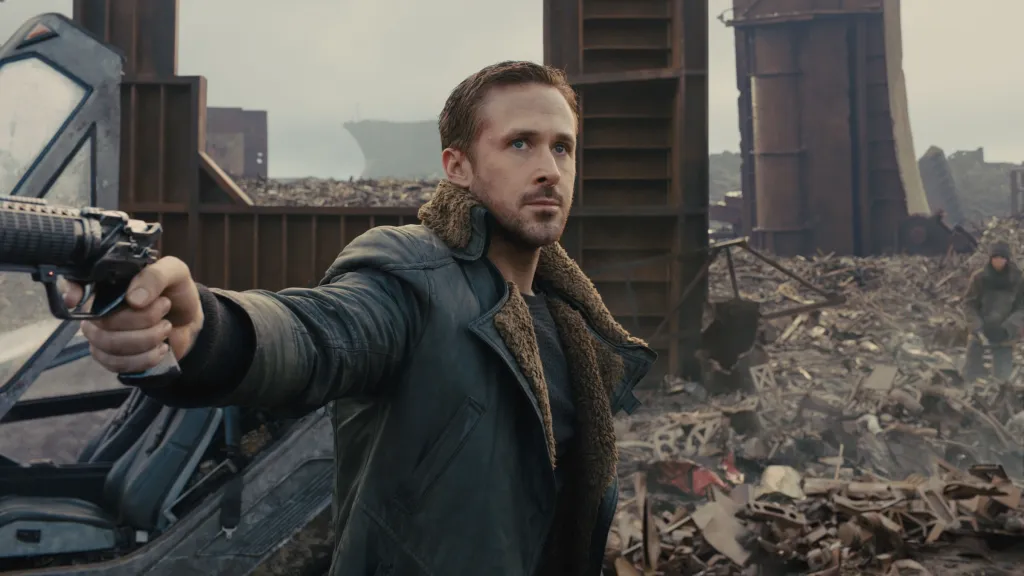
The original Blade Runner is one of the most influential films of all time, so producing a worthy follow-up was no easy task. Director Denis Villeneuve joked that he wanted to make the film because he was afraid someone else would mess it up. While Blade Runner 2049‘s box office performance was certainly disappointing, the film itself is a highlight for both Villeneuve and Gosling. Released shortly after legacy sequels had become the hot new trend in Hollywood, Blade Runner 2049 put its own unique spin on the concept by deconstructing the “Chosen One” archetype in a compelling narrative that suitably features an abundance of heady sci-fi themes to keep the audience thinking.
What’s so refreshing about Blade Runner 2049 is that it doesn’t preoccupy itself with retreading old plot points, fan service, or answering questions people don’t really want the answers to (how the film handles the “is Deckard a replicant?” debate is a stroke of genius). Instead, like all great sequels, the film expands upon its predecessor, building on the captivating ideas at the center of the original movie. Villeneuve’s approach allows Blade Runner 2049 to maintain a sense of high stakes throughout its run time while simultaneously crafting a character-driven narrative that places Gosling’s Agent K front and center. This is an excellent showcase for Gosling’s dramatic chops, as he turns down his natural charm and comedic sensibilities to deliver a much more understated turn that still commands the viewer’s attention.
Outside of its thought-provoking plot, Blade Runner 2049 is a feast for the senses. As has become expected with Villeneuve at the helm, the production design is state-of-the-art, fully immersing the audience in a distinct rendering of the future that honors the aesthetics of Ridley Scott’s original while also carving out its own visual identity. Blade Runner 2049 was when legendary cinematographer Roger Deakins finally earned his long overdue Oscar, and it’s easy to see to see why. Each frame in Blade Runner 2049 is stunning, and the award-winning visual effects seamlessly blend into the environments. Even long-time sci-fi fans will be left marveling at how extraordinary Blade Runner 2049 looks.
One could even make the case that Blade Runner 2049 is a better film than its groundbreaking predecessor. The emotional core at the heart of the movie is arguably stronger than the original Blade Runner, leading to some poignant and cathartic moments that stand out long after the credits have rolled. Much of the credit there has to be given to Harrison Ford’s heartbreaking portrayal of an older Deckard. He does an excellent job conveying the character’s feelings of grief and guilt, which is what makes the closing moments of Blade Runner 2049 all the more satisfying. Villeneuve did not mess this one up. He made a modern classic.
First Man Should Have Been Another Oscar Contender for Damien Chazelle
Image Courtesy of Universal Pictures
Damien Chazelle wasted no time establishing himself as one of the best up-and-coming directors. In the mid-2010s, he helmed Whiplash and La La Land, two Best Picture nominees, and took home an Oscar for Best Director. It seemed like he could do no wrong, so when Chazelle reunited with his La La Land leading man Ryan Gosling for First Man, it sounded like another awards contender on paper. Unfortunately, First Man was blanked from the above-the-line categories and fell flat at the box office, but don’t let that reception dissuade you from watching the film.
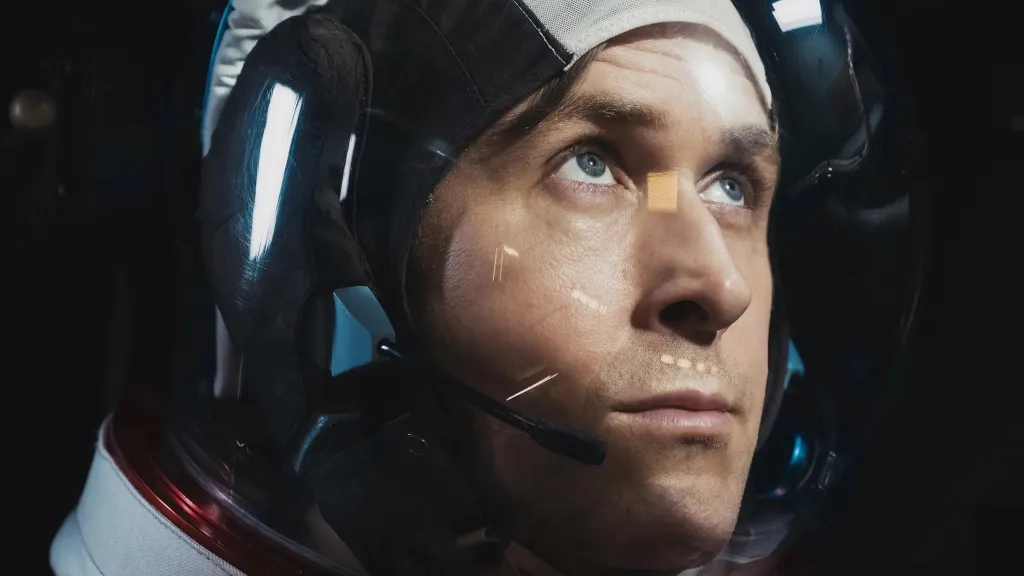
Similar to how Blade Runner 2049 isn’t a standard Hollywood legacy sequel, First Man is a far cry from the standard Hollywood biopic. That’s in large part due to Chazelle’s storytelling approach. The film operates as an introspective look at Neil Armstrong the man, not the astronaut, as he throws himself into his work as a coping mechanism to deal with a family tragedy. First Man isn’t really about the first people to land on the moon, it’s about a grieving father trying to process the loss of his daughter the only way he knows how — even if it results in him becoming increasingly isolated from his loved ones and colleagues. It’s a fascinating perspective to take for a film like this, one that gives First Man a powerful emotional throughline that resonates with the audience.
Gosling is once again in top form in First Man and is a main reason why the film works as well as it does. In another similarity to Blade Runner 2049, First Man sees him deliver an introverted performance, creating a character that can be emotionally distant at times but is always interesting to watch. It’s a great example of Gosling’s range. Watching First Man today, you’d be hard-pressed to believe this is the same actor who would go on to belt out “I’m Just Ken,” but he’s a perfect fit for the role. His dynamic with Claire Foy (who plays Neil’s wife Janet) is particularly fascinating as it develops over the course of the film. Chazelle saves the best moment between them for last; the final shot in First Man is packed with a plethora of emotions.
With La La Land, Chazelle proved he had a knack for staging intricate set pieces (the musical numbers are expertly directed). First Man plays as an evolution of that craftsmanship. There are sequences in the film that are truly a wonder to behold, especially the climactic landing on the moon. Chazelle also takes a page from the Whiplash playbook here, leaning into the danger and intensity of an astronaut’s work. He doesn’t shy away from what happens when things go wrong, adding to the high stakes and pressure. First Man can be a truly immersive experience that puts the viewer right in the ship with the astronauts.
If you’re interested in watching either of these movies, Blade Runner 2049 and First Man are currently available on PVOD platforms like Apple and Amazon.