The prime example comes from a movie that’s now 12 years old but remains one of the MCU’s most beloved additions. It’s one of the earliest examples of the franchise spinning a sidekick into something greater, and that character has only become more compelling as the franchise has continued. And their journey isn’t the only way the 2014 film impacts everything that comes after. It’s no wonder it’s so well regarded, as it’s not just an incredible sequel. Its contributions to the overall franchise are what really cement its legacy, making it all the more memorable, even years later.
12 Years Ago, Captain America: The Winter Soldier Debuted & Became One of the MCU’s Best Movies
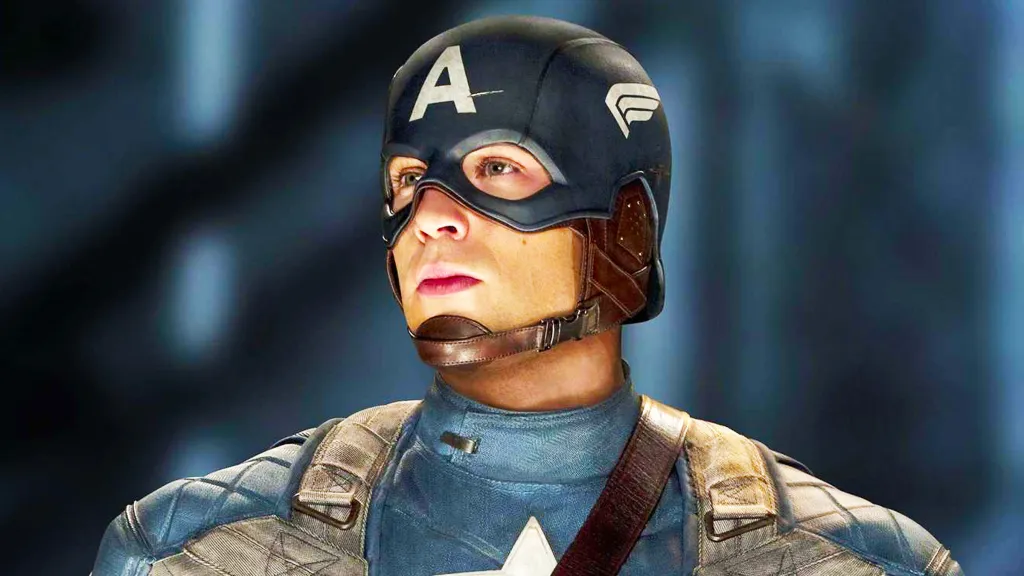
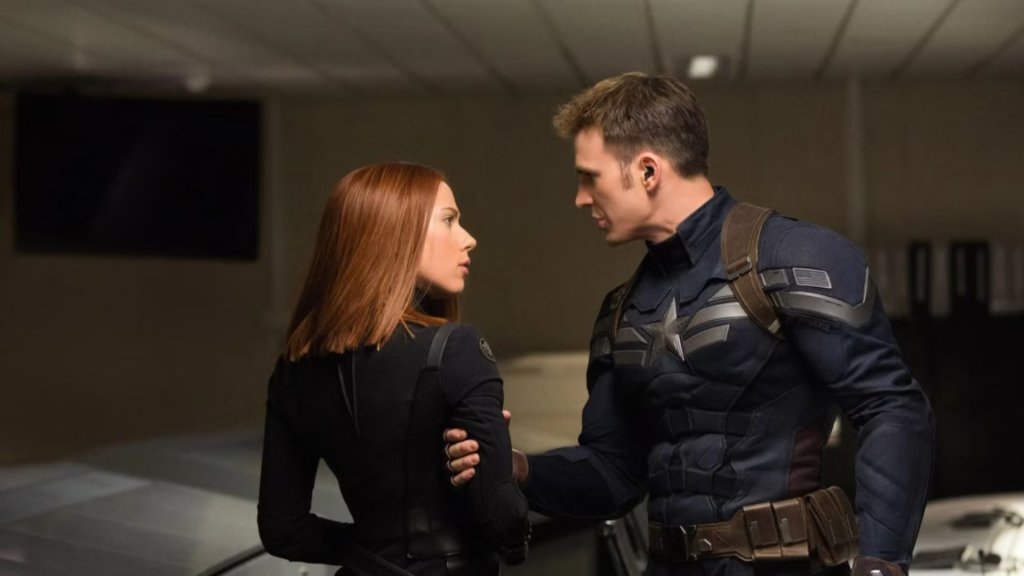
Captain America: The Winter Soldier made its debut on April 4, 2014, reuniting viewers with Chris Evans’ Steve Rogers after his MCU introduction and The Avengers. And although we see Steve in the modern era in the latter film, the high-stakes fight against Loki and ensemble cast leave little time to dig into his experience following The First Avenger. The Winter Soldier rectifies this, however, forcing Steve to grapple with the modern world and the ways his moral compass must adapt to it.
The Winter Soldier made more than $700 million worldwide (via Box Office Mojo) and was well received by both critics and general audiences, proving a more complicated take on Captain America a welcome change. The film doesn’t just improve on Steve’s character, however. It also turns a his sidekick from the first Captain America movie into one of the MCU’s best players, showcasing impressive character work all around.
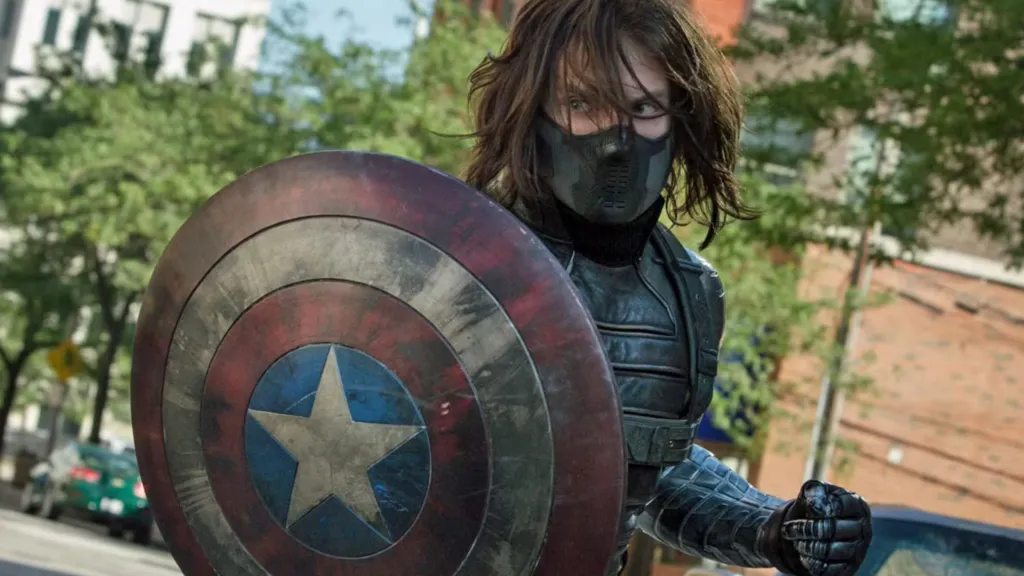
The Winter Soldier Turned Bucky Barnes From a Sidekick Into One of the MCU’s Best Characters
Captain America: The Winter Soldier explores its main character in more depth, but it also gives his sidekick from the first film a far greater chance to shine. Bucky Barnes is immediately likable in The First Avenger, but we barely get to know him before he’s seemingly killed off during a mission — an incident that has a massive impact on Steve’s arc. The Winter Soldier reveals that Bucky isn’t actually dead, though, and has instead been turned into a weapon by HYDRA. It’s a devastating revelation, but it results in a more complex character overall. Bucky becomes a tragic figure, driven by his brainwashing but maintaining a layer of goodness beneath it.
This, of course, makes for an emotional journey in The Winter Soldier itself — but it also sets the stage for a greater redemption arc throughout the MCU. And the franchise delivers that, pushing Bucky and Steve to face the consequences of all that’s happened in Captain America: Civil War before allowing Bucky to step more firmly into a hero role in later MCU movies. What makes him so refreshing is that he views the world differently than many other heroes, with his experiences and trauma shaping him profoundly. This allows the franchise to tackle topics like PTSD, and it enables Bucky to showcase greater empathy, even toward characters like the Thunderbolts.
The Second Captain America Movie Changed the MCU Forever
Without Captain America: The Winter Soldier, the MCU would be missing one of its best character arcs, but there are other ways the 2014 film proves a game-changer for the franchise. The situation with Bucky changes Steve’s perspective on good, evil, and the gray area in between — and it makes viewers respect him as more than a soldier or a symbol. The film also expands on S.H.I.E.L.D. and HYDRA, two organizations that define the MCU going forward. And The Winter Soldier even brought Anthony and Joe Russo into the franchise as directors, which obviously paid off, not just for this film but for their future hits: Captain America: Civil War, Avengers: Infinity War, and Avengers: Endgame. Needless to say, Marvel fans have a lot to thank The Winter Soldier for.
What do you think? Leave a comment and join the conversation now in the ComicBook Forum!