Videos by ComicBook.com
When Warner Bros. first announced The LEGO Movie, the project was met with widespread skepticism from critics and audiences alike. Unlike traditional action figures or dolls that come with pre-packaged backstories, LEGO bricks are essentially blank slates designed to foster creativity rather than a unified lore. Because the brand’s core philosophy encourages children to build whatever they can imagine, the idea of a scripted narrative felt fundamentally at odds with the product’s purpose. Nevertheless, upon its debut twelve years ago on February 7, 2014, The LEGO Movie became a critical darling and a major box office hauler, eventually grossing over $470 million worldwide. This success was achieved through a sophisticated metalinguistic approach to the plot and a revolutionary animation style that transformed the plastic aesthetic of LEGO into an expressive world.
The LEGO Movie Is Still One of the Best Animations Ever
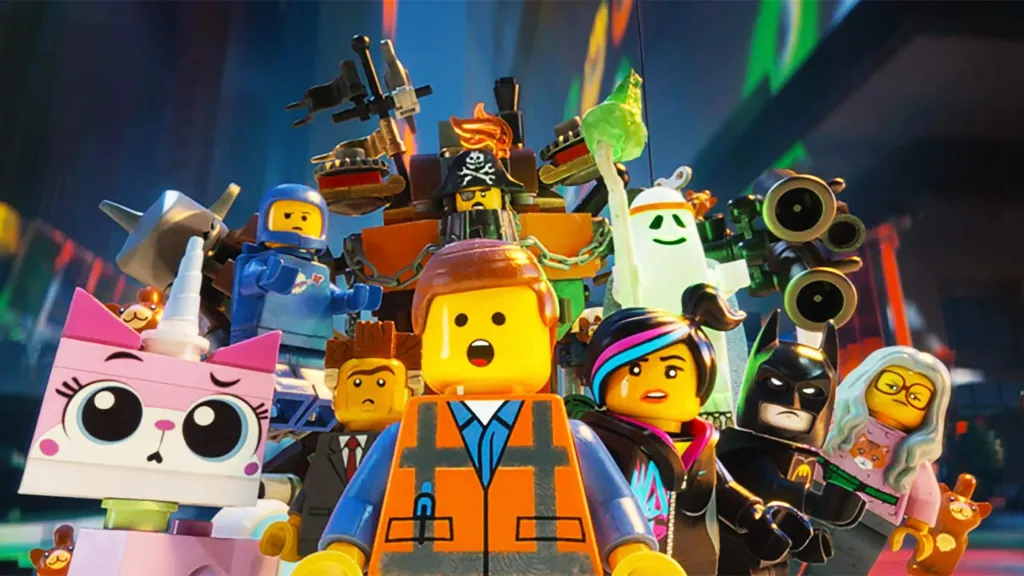
The first reason for The LEGO Movie‘s enduring legacy is its commitment to a unique artstyle. While most digital productions utilize CG to create smooth environments, the team at Animal Logic chose to work within the physical constraints of actual plastic bricks. This meant that every explosion, ocean wave, and smoke cloud on screen was constructed from individual digital LEGO components, requiring over 15 million bricks to render the entire world. To sell the illusion of a handmade production, the animators even included simulated imperfections such as fingerprints, dust, and seam lines on the character models. Consequently, the film possesses a tactile texture that makes the journey of Emmet Brickowski (voiced by Chris Pratt) feel like it is occurring on a bedroom floor rather than a server bank. More than just a quirky artistic choice, Animal Logic’s aesthetic discipline serves the movie’s core themes.