Videos by ComicBook.com
From basic questions about magical transportation to glaring plot holes in the supposed secrecy of the wizarding world, some facts simply don’t stand up when looked at with a critical eye.
10) The Danger of the Pensieve
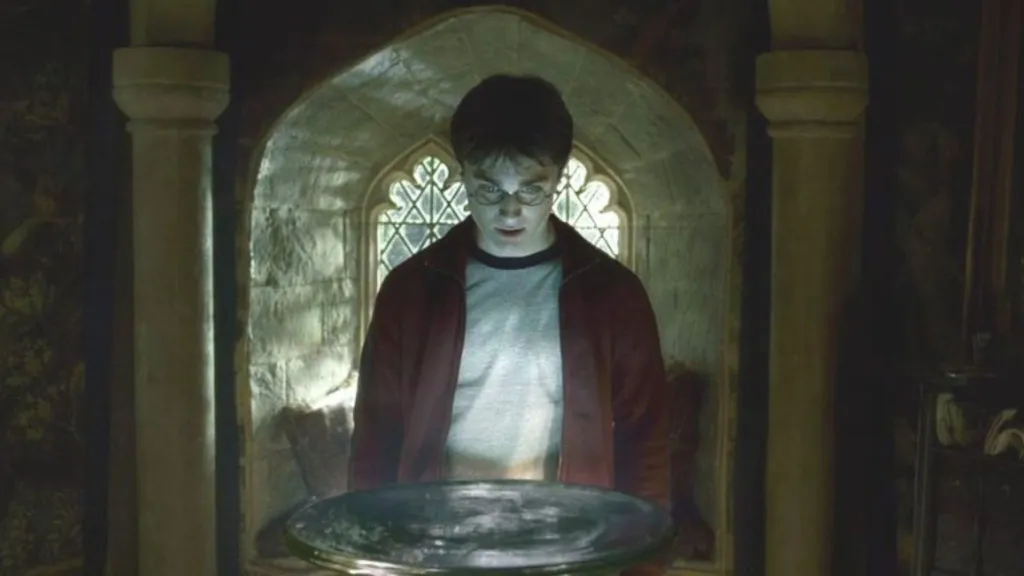
In Harry Potter and the Order of the Phoenix, Harry struggles to convince his professor, Cornelius Fudge, and the entire Ministry of Magic that Lord Voldemort has returned. He is discredited and smeared in the public eye. This situation ultimately costs Dumbledore his position as Headmaster and allows Voldemort’s influence to continue to grow unchecked, with the only wizard Voldemort feared out of the way. Given the severity of the threat, it is baffling that Dumbledore never simply extracted Harry’s memories from the events at the end of Harry Potter and the Goblet of Fire when he witnessed Voldemort’s return and Cedric’s death to give the Ministry irrefutable evidence in the Pensieve.
The Pensieve allows the user to store and share memories. These memories are considered objective truth in the wizarding world. If Dumbledore had plotted with Harry to share his memory, the Ministry would have been forced to see the horrifying truth, immediately corroborating Harry and Dumbledore’s claims. Relying on mere testimony when an actual memory exists seems like a massive oversight for such a critical moment that could (and did) lead to mass murder.
9) Magical Transportation Inconsistencies

The wizarding world has incredible options for instantaneous (and nearly instantaneous) travel methods: Apparition, Floo Powder, and Portkeys. Yet, wizards typically use outdated or incredibly inconvenient Muggle forms of transport, such as taking the Knight Bus for long journeys or using the Hogwarts Express for a six-hour trip. This is a strange choice, especially when urgency is not a factor.
While Apparition is extremely difficult to learn, it is still commonplace, and Floo powder is always readily available. The need for the Hogwarts Express, which requires a highly secret, non-Apparatable location and an outdated mode of travel, seems not only inefficient, but a massive undertaking. If wizards can just pop into existence anywhere, the logistics of the established travel system seem unnecessarily complicated and even illogical.
8) The Secrecy of the Statute
The International Statute of Secrecy is the foundation of the modern wizarding world, dictating that magic must be kept hidden from Muggles at all costs. Yet, the wizarding community routinely and blatantly violates this rule, often in front of multiple Muggles. The Ministry of Magic struggles to enforce even basic rules like underage magic, yet the entire society rests on the success of this monumental secrecy act.
Incidents like the flying Ford Anglia, the Knight Bus swerving through London, and the almost constant accidental displays of magic by children are massive violations that should, by all accounts, be noticed by Muggles. The very existence of major, world-spanning organizations like the Ministry and the global wizarding economy depends on a level of discretion that society simply does not show.
7) The Ineffectiveness of Azkaban
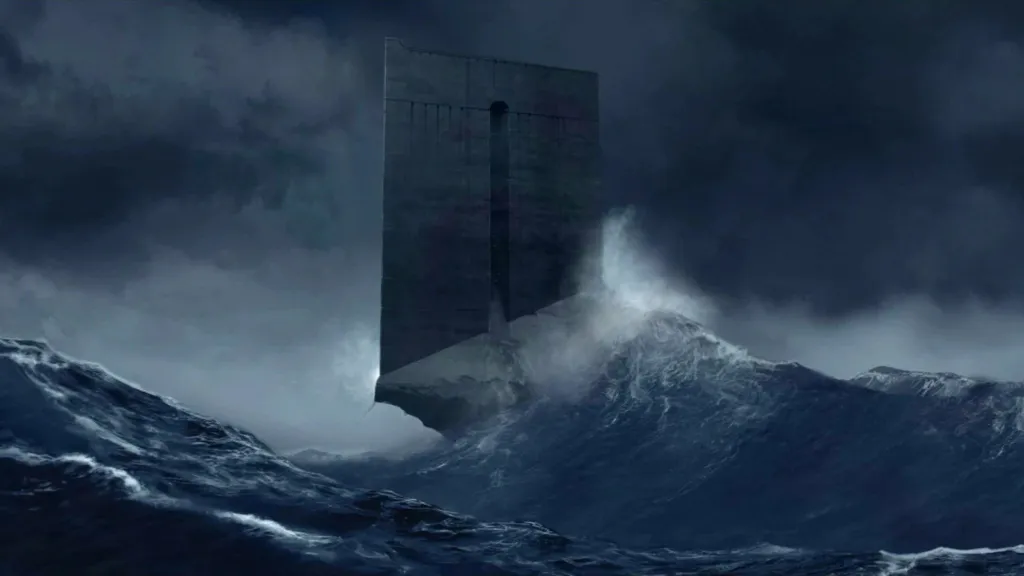
Azkaban is described as an impenetrable fortress of suffering, guarded by Dementors who suck the happiness (and sometimes souls) out of prisoners. Yet, high-security breaks are remarkably common, especially considering the supposed nature of its prison walls. Barty Crouch Jr. and Sirius Black both managed to escape, and a mass breakout of Death Eaters happened with surprising ease, implying that there is a major flaw in its security design.
If the prison’s main deterrent is the Dementors, then a simple Patronus Charm should, theoretically, be enough for a determined wizard to hold them at bay and attempt an escape. For a prison intended to hold the most dangerous criminals, the security seems to rely too heavily on emotional deprivation rather than any magical wards that might prevent escape or physical/mental manipulation.
6) The Problem of Horcrux Destruction
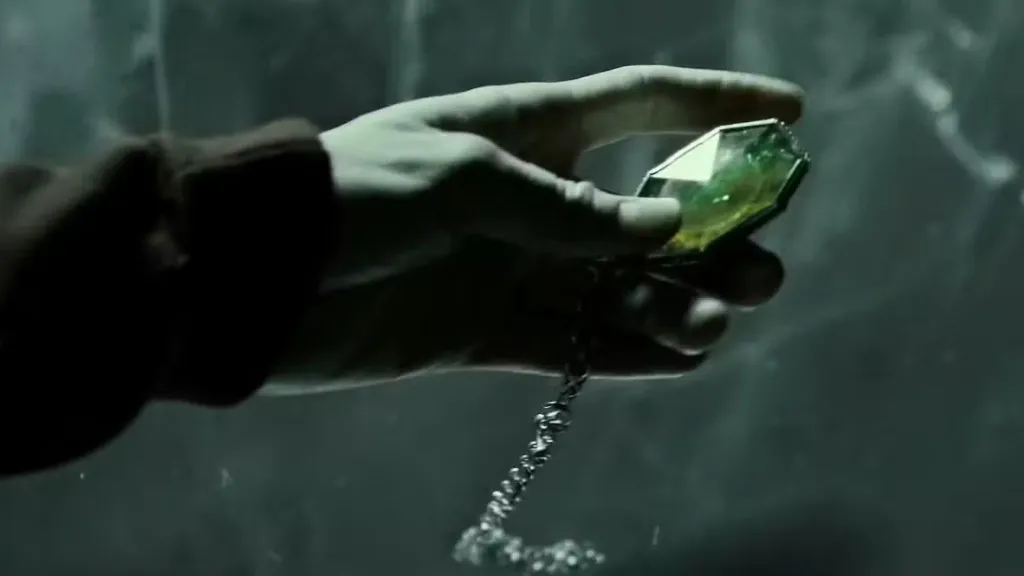
Basilisk venom is established as one of the few substances capable of destroying a Horcrux, which is why it worked on Tom Riddle’s diary and why the fang was crucial to destroying the locket. In Harry Potter and the Chamber of Secrets, Harry is bitten by the Basilisk and should have died or, at the very least, had the Horcrux fragment within him destroyed.
Dumbledore’s phoenix, Fawkes, heals Harry’s venomous wound with his tears, but this type of healing only reverses the physical symptoms of the poison. It doesn’t logically explain why the fragment of Voldemort’s soul wasn’t destroyed so early in Harry’s journey at Hogwarts. If the venom is what destroys a Horcrux, the amount coursing through Harry’s veins after he was bitten should have destroyed the piece of Voldemort’s soul that lived in Harry before Fawkes’ healing could work.
5) The Limitless Power of the Elder Wand
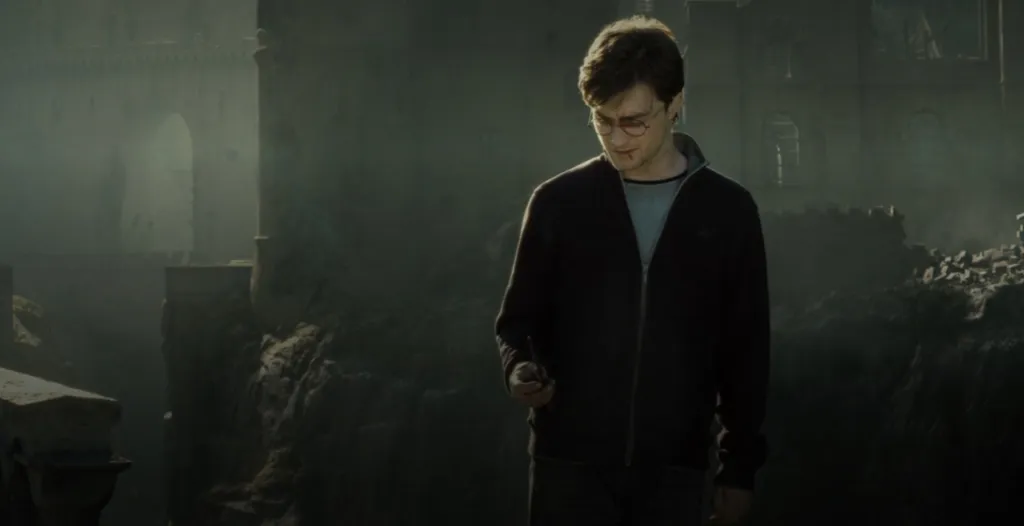
The Elder Wand is one of the Deathly Hallows and is said to be the most powerful wand in existence, capable of unbeatable magic. Yet, its accomplishments in the books are rather underwhelming compared to its epic legend. The Elder Wand can allow the user to perform complex magic, but so can other powerful wands. Plus, the Elder Wand’s owner is always in grave danger just for possessing it.