Videos by ComicBook.com
A prequel/side story that fleshes out some major elements of the established lore, Legacy of Kain: Ascendance is a reimagining of the series that replaces the PS2 3D adventures with a throwback Castlevania-style approach to side-scrolling action. It’s a clever idea that the game is occasionally able to realize, especially in terms of the art and sound design. However, some consistent underlying flaws in the game design prove to be a real problem for a game that can’t quite realize its full potential.
Review Score: 2.5/5
| Pros: | Cons: |
| Strong art and sound design do a good job of bringing Legacy of Kain into a different era of game design. | Lackluster enemy CPU and dull level design undercut the action-heavy gameplay. |
| Vampiric abilities introduce interesting tweaks and wrinkles to traditional action-platformer gameplay. | Alternating characters still feel repeitive due to a lack of overall combat depth. |
| Legacy of Kain fans will appreciate the first new chapter in the series in over twenty years. | The underwhelming writing can’t quite match the art design. |
Legacy Of Kain: Ascendance’s Gameplay Can’t Rise To The Challenge
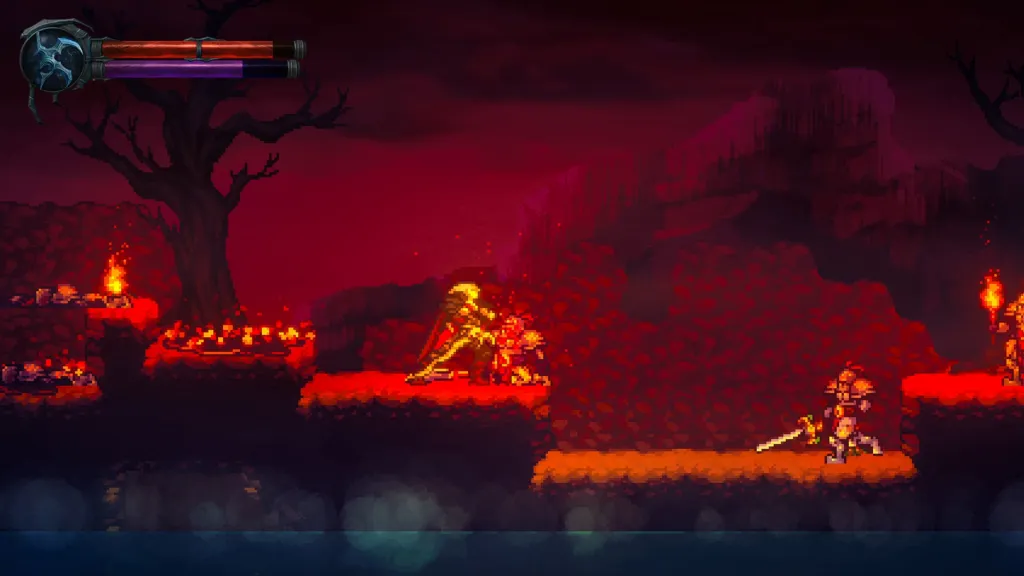
The game is largely split between two characters, the vampiric Elaleth and a pre-corruption Raziel, although it does also eventually introduce Kain as a playable character. Shifting between the characters as the story progresses, Legacy of Kain: Ascendance balances the shifting narrative and their growth with their respective playstyles. Both are fundamentally the same, an action-packed platform side-scroller that puts more emphasis on dodges and strikes than exploration or adventure.
On a gameplay level, vampires like Elaleth are far more engaging, with her unique vampiric abilities (such as draining her fallen enemies for health or the ability to sprout wings to fly through the sky), making the levels focused on her more reliant on clever applications of flight and brutal moves. They’re also far easier thanks to her unique abilities, leading to a frustrating difficulty curve when the focus shifts over to the likes of Raziel. Even then, the limited options for combat with all the playable characters can quickly become repetitive.
The real problem with the combat is that it feels very wonky very quickly, with enemy AI that leaves a lot to be desired. More than one enemy lept to their death while trying to play around me, and the central loop of dodge, stab, and drain quickly became repetitive (if darkly satisfying). Other times, the CPU enemies suddenly became far quicker with a blade, creating an inconsistent sense of pacing with the action. Even if those sudden deaths do occur, however, the liberal spread of checkpoints lowers the stakes of death in such a way that negatively impacts the game’s immersive qualities. With combat so central to the gameplay, this proves to be a big problem, especially when players switch to Elaleth and have to contend with surprisingly effective enemies intermixed.
Ascendance’s Voice Cast And Art Style Try To Elevate The Game
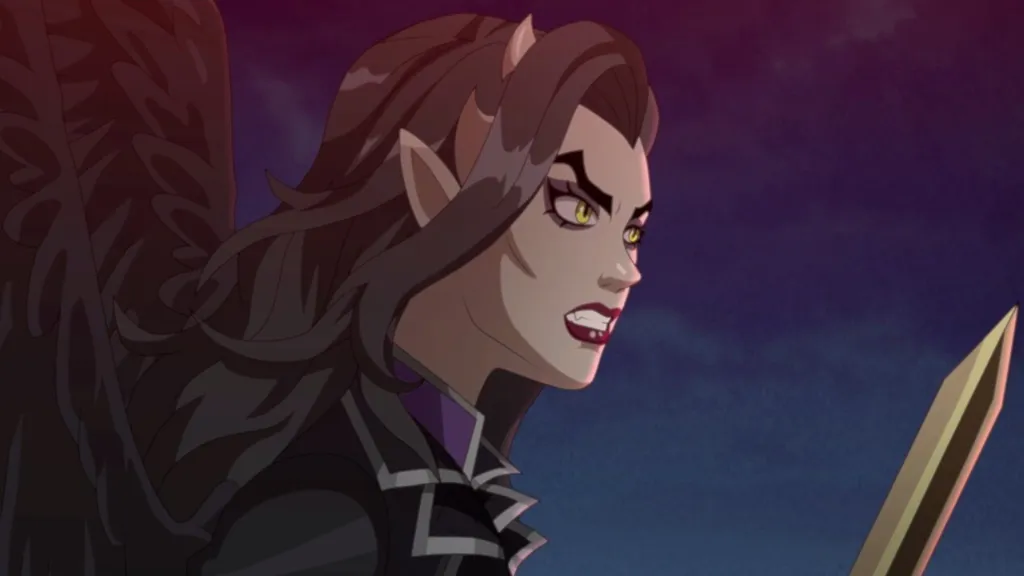
The first original Legacy of Kain game in over 20 years, the narrative is designed to flesh out the lore in a way that long-time fans will appreciate. The focus is largely split between a pre-vampired Raziel and Elaleth, a time-displaced vampire who is hunting down her brother Morbius. The game steadily reveals the full circumstances of Raziel’s transformation into a monster, fitting Elaleth into the overarching plot in ways that may bristle against the established history of the series, but don’t risk breaking it.
The art, voice-overs, and accompanying music all add a bit more depth to the bigger plot moments that the sprite characters couldn’t quite match, although the somewhat trope-heavy writing doesn’t really deliver on the plot. The returning voice cast members, like Michael Bell and Simon Templeman, further connect the game’s story with the larger history of the series. It makes Ascendance an interesting side chapter for fans of the series, who will likely be ready to bite into a new entry of the series after so long. The art design, sound design, and voice cast for Legacy of Kain: Ascendance goes a long way towards elevating the material, even if it still suffers from some broader elements.
Ascendance Is A Good Idea That Doesn’t Quite Stick The Landing
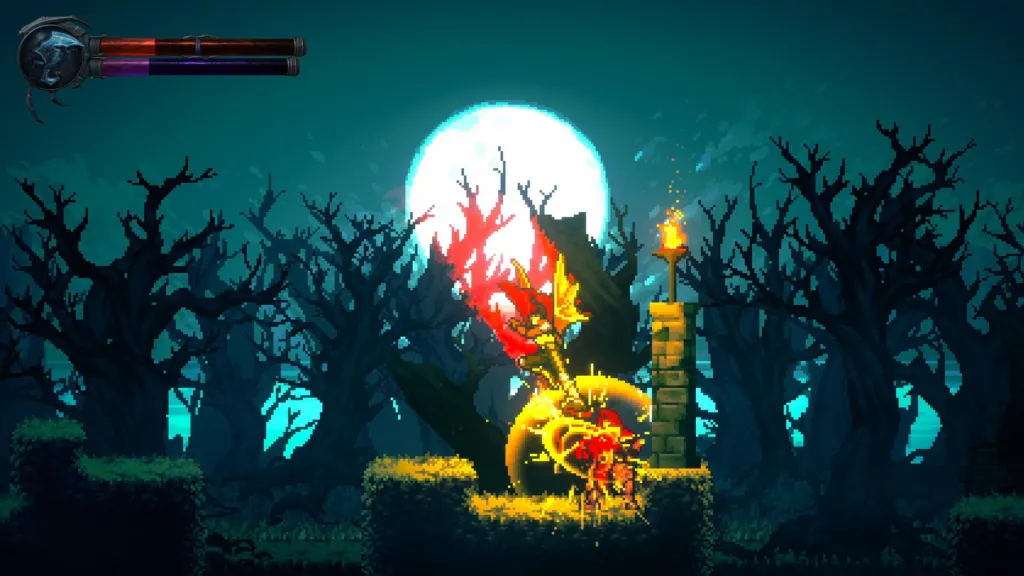
Legacy of Kain: Ascendance seems to be directed towards creating the effect that this was a lost SNES or Sega Genesis-era game, with the platforming and difficulty to match. In some regards, especially the visually well-designed sprite characters, the game accomplishes this. The larger world and sprite design have a retro charm, but the actual level design is somewhat lacking, with secrets only discoverable through chance or death. The controls are solid enough, and picking up the pace to create quick-moving combos does feel rewarding.
However, that inconsistent difficulty and shifts to a slower pace undercut the game’s solid fundamentals. There’s a fun concept in Ascendance right from the jump, reintroducing one of gaming’s most beloved vampire epics with a riff on one of their closest peers in the medium. However, the game is held back by some lackluster design choices and overall lack of depth. While the game can be fun, Legacy of Kain: Ascendance never quite matches the ambitions it set for itself.
Comicbook.com received a PS5 copy of Legacy of Kain: Ascendance for the purposes of this review.