Videos by ComicBook.com
Resident Evil, Resident Evil 2, and Resident Evil 3: Nemesis are all on the popular PC platform for an introductory price of $4.99 and will jump up to its normal price of $9.99 on April 15th at 10 AM PT. All three support various frame rates, display modes, aspect ratios and scaling methods and have VSync, gamma options, anisotropic filtering, and antialiasing. These sit alongside various other features like an improved video player, better key binding, and stronger subtitles.
Players Have Issues With the Classic Resident Evil Games on Steam
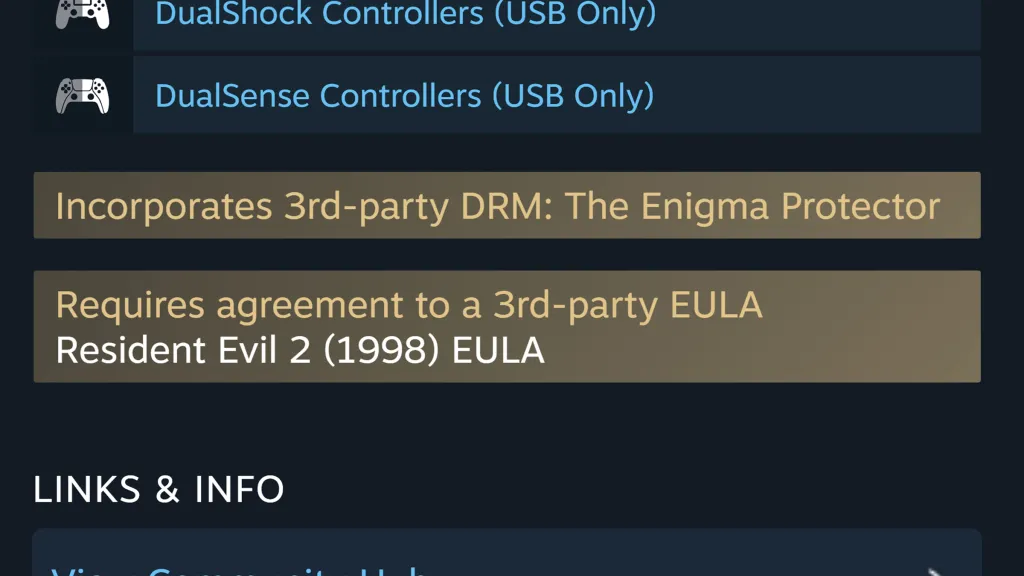
But not all is well in Raccoon City. As noted by IGN, all three games have DRM, don’t work on the Steam Deck, lack cloud saves, don’t have the Steam overlay, and, like the re-releases on PS4 and PS5, don’t have achievement support. This echoes the exact issues players had with the two Dino Crisis ports that hit Steam in February. These problems are called out in various Steam reviews, with some calling on others to not give “these idiots” any money and others complaining about the “greed” inherent to these ports.
GOG is cited as a co-developer of these versions, a competing storefront that has had these three games since June 2024. According to GOG senior business development manager Marcin Paczynski, Capcom was initially against the idea since all three games had been remade and those remakes were “superior.” Paczynski said it took some convincing, but it paid off since he noted that the reception was “absolutely phenomenal.” He also said that sentiment was “reflected in the sales.”