Videos by ComicBook.com
BG3 Brought Many New Players to D&D, But Will The Momentum Last?
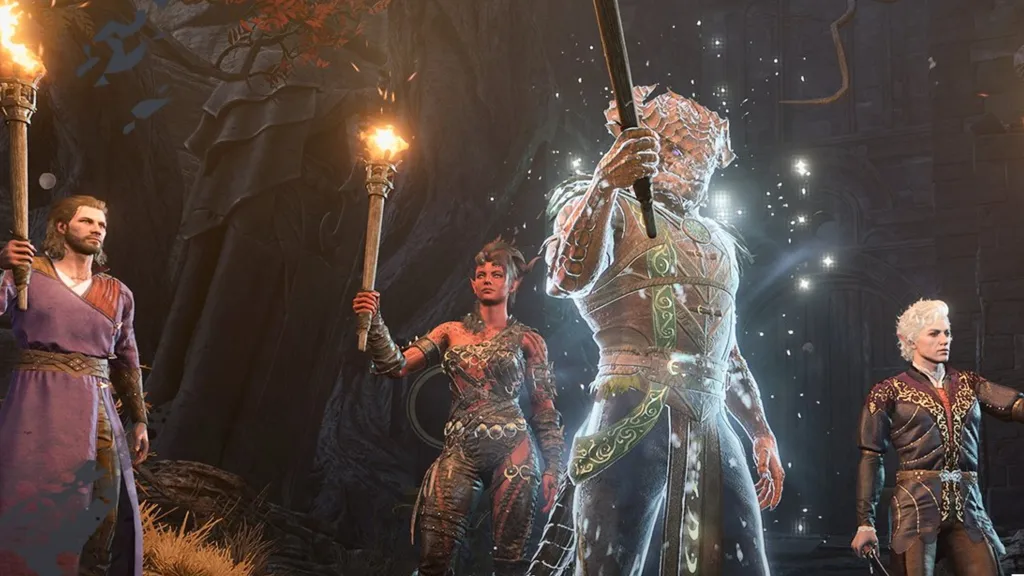
Baldur’s Gate 3 is a great Dungeons & Dragons video game. But it’s also just a great video game, period. The cast of characters is so compelling that the game had a second life on social media, attracting the interest of people who’ve never thought to play D&D before. I still think about the number of cozy gamer videos I saw where they referred to the game as a “dating sim with combat.” Clearly, Baldur’s Gate 3 introduced a lot of people to the mechanics and concepts of D&D for the first time.
It makes sense that Wizards of the Coast wants to capitalize on that success. Of course, you want to slap a familiar character like Karlach on the front cover of a book like Dungeons & Dragons Forgotten Realms: Heroes of Faerun. But with the franchise on shaky footing with many of its fans already, I worry that leaning too much into the broad commercial appeal of BG3 is ultimately a bad idea.
I’m sure some people who enjoyed their Baldur’s Gate 3 experience will want to try the physical TTRPG. And I’m sure seeing Karlach and Astarion on a book cover might make it feel even more exciting, possibly even familiar and more accessible. But how long will that momentum last? Playing a D&D campaign in real life requires a lot more commitment in terms of finding a group, maintaining a schedule, and learning rules that a computer doesn’t manage for you. It’s unclear to me how many people will spill over from BG3 into longtime D&D fandom. The number isn’t zero, but it may not be worth the cost of alienating a long and once-devoted fanbase.
Does Relying on Baldur’s Gate 3 Risk Losing New, Exciting Stories?
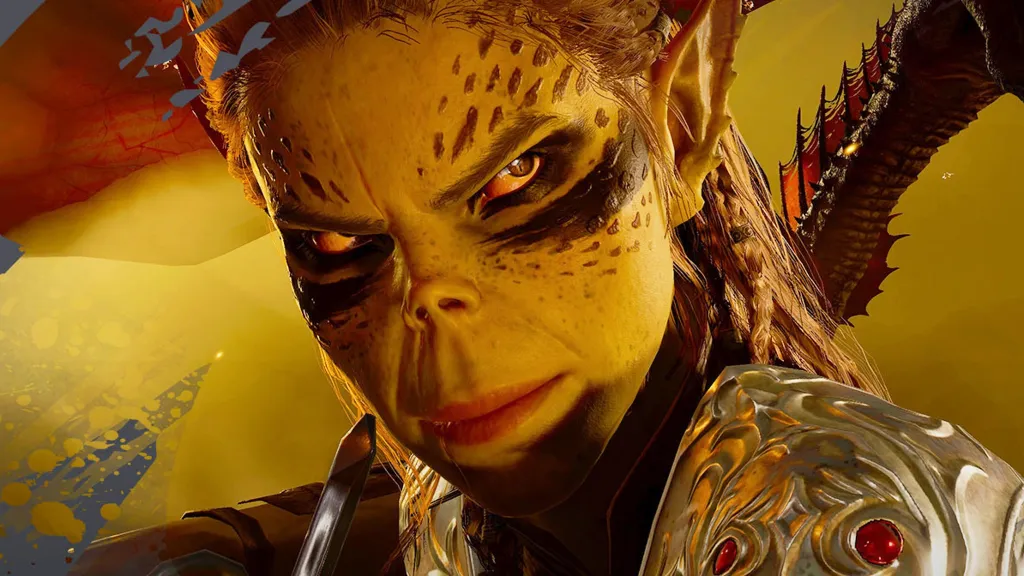
Baldur’s Gate 3 has a great story. Or stories, really, since your choices can impact what you experience when you play. And like any good D&D game, the story draws from the existing lore of the Forgotten Realms and Faerun, with its own creative flourishes. Baldur’s Gate 3 is, essentially, one single campaign within the vast world of existing Dungeons & Dragons lore. It just happens to be one of the most well-known stories thanks to the video game’s massive success.
One of the things I love most about Dungeons & Dragons is how each campaign will be entirely different based on the DM who runs it and the players at the table. The way my friends and I handled Strahd is very different from what went down in the recent novelization, The Heir of Strahd. And both of those are probably different from what happened in your campaign, too, if you have the pleasure. But if we’re stepping into familiar territory with content like Astarion’s Book of Hungers, will that curb creativity? Will not only players and DMs, but also the writers crafting these texts, feel obligated to stick to the familiar when beloved characters are involved? And if so, what do we stand to lose?
Of course, just putting Karlach on the cover of the Forgotten Realms book doesn’t mean the actual content references her character. And the Astarion book is bonus content meant to let players live their vampire lives, not an adventure intended to pigeonhole us. But even so, the more spinoff content from Baldur’s Gate 3 we see, it’s potentially at the expense of something fresh we might have had instead.
Longtime Fans Frustrated with Too Many Changes, Too Quickly